
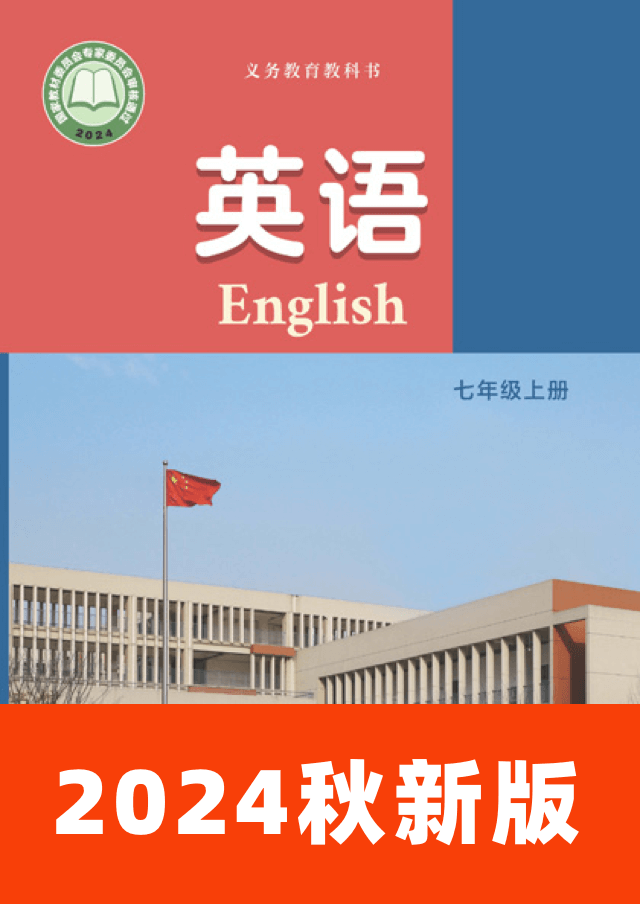

2026牛津译林版七年级上册英语 Workbook 课文听力音频与中英双语对照

版本: 牛津译林版
年级: 七年级上册
出版社: 译林出版社
切换教材
2026牛津译林版七年级上册英语《Workbook》(译林牛津七上初一听力专项练习)配套标准课本原声音频,以 "The first letter of each word is given." 为演练指引,针对初一听力填空与语法转换提供全面解析。

牛津译林版七年级上册英语 Workbook 课文句子跟读音频

Unit 1 This is me!
连续播放
下载音频

1 Unit 1 This is me!

  • Workbook

    作业本

  • Unit 1 This is me!

    第 1 单元 这是我!

  • A. My deskmate

    A. 我的同桌

  • A1. Simon and Sandy are introducing their deskmates.

    A1. 西蒙和桑迪正在介绍他们的同桌。

  • Complete their introductions with the correct words.

    用正确的单词完成他们的介绍。

  • The first letter of each word is given.

    每个单词的第一个字母都给出了。

  • A2. Simon and Sandy are introducing their deskmates to their parents.

    A2. 西蒙和桑迪正在把同桌介绍给父母。

  • Complete their conversations with the correct forms of the verb be.

    用动词 be 的正确形式完成他们的对话。

  • B. My teachers

    B. 我的老师

  • B1. Sandy is introducing her teachers.

    B1. 桑迪正在介绍她的老师。

  • Listen to Sandy and match the people with the pictures.

    听桑迪的话,把人和图片配对。

  • Write the correct letters in the blanks.

    在空白处写正确的字母。

  • My teachers are great, mom.

    我的老师很棒,妈妈。

  • Let me tell you about them.

    让我告诉你关于他们的事。

  • Mr Li is my maths teacher.

    李老师是我的数学老师。

  • He's short and wears glasses.

    他个子矮,戴眼镜。

  • Mr Li is interested in Chinese chess.

    李老师对中国象棋感兴趣。

  • My music teacher is Ms Lin.

    我的音乐老师是林老师。

  • She's small and she has long hair.

    她个子小,留着长头发。

  • She's good at playing the piano.

    她擅长弹钢琴。

  • Ms Lin is friendly.

    林老师很友好。

  • My PE teacher is Mr Chen. He's tall and strong.

    我的体育老师是陈老师。他高大强壮。

  • Mr Chen likes a lot of sports.

    陈老师喜欢很多运动。

  • His favorite sport is ping-pong.

    他最喜欢的运动是乒乓球。

  • Ms Zhao is my Chinese teacher.

    赵老师是我的语文老师。

  • She's tall, her hair is long.

    她很高,头发很长。

  • Her favorite hobby is reading.

    她最喜欢的爱好是读书。

  • Ms Zhao is kind.

    赵老师很友好。

  • B2. Look at the picture below.

    B2. 看下面的图片。

  • Tell your partner what you see.

    向你的同伴描述你所看到的。

  • Use the expressions below to help you.

    使用下面的表达来帮助你。

  • This is ...

    这是⋯⋯

  • She's ...

    她⋯⋯

  • Her ... is ...

    她的⋯⋯是⋯⋯

  • In this picture, ...

    在这张照片中,⋯⋯

  • It's a ... day.

    这是⋯⋯的一天。

  • What a ... day!

    多么⋯⋯的一天!

  • She likes ...

    她喜欢⋯⋯

  • They're enjoying ...

    他们正在享受⋯⋯

  • C. My basketball team

    C. 我的篮球队

  • C1. David is introducing some of his basketball teammates.

    C1. 戴维正在介绍他的一些篮球队友。

  • Read David's introduction and answer the questions.

    阅读戴维的介绍并回答问题。

  • I'm in the school basketball team.

    我在学校篮球队。

  • My teammates are great!

    我的队友很棒!

  • Tom is tall and thin.

    汤姆又高又瘦。

  • He can run fast.

    他跑得很快。

  • He always gets the ball!

    他总是能拿到球!

  • John is kind and friendly.

    约翰善良友好。

  • He's a great basketball player.

    他是个很棒的篮球运动员。

  • He always puts the team first.

    他总是把球队放在第一位。

  • Kevin is not tall, but he plays basketball well.

    凯文个子不高,但他篮球打得很好。

  • He's also good at many other sports, like football and ping-pong.

    他还擅长许多其他运动,比如足球和乒乓球。

  • Alex has a round face and wears glasses.

    亚历克斯有一张圆脸,戴着眼镜。

  • He likes basketball, but he does not play it very well.

    他喜欢篮球,但打得不好。

  • He works hard to be good at it.

    他努力练习得以熟练掌握这项运动。

  • George is very smart and helpful.

    乔治非常聪明,乐于助人。

  • He helps me play basketball well.

    他帮助我打好篮球。

  • I learn a lot about the sport from him.

    我从他那里学到了很多关于这项运动的知识。

  • 1. Who can run fast?

    1. 谁跑得快?

  • 2. Who always puts the team first?

    2. 谁总是把团队放在第一位?

  • 3. What sport is Kevin good at?

    3. 凯文擅长什么运动?

  • 4. What does Alex look like?

    4. 亚历克斯长什么样?

  • C2. Write an introduction to Tom, one of David's basketball teammates.

    C2. 为汤姆、戴维的篮球队友之一,写一篇介绍。

  • Use the information below to help you.

    使用下面的信息来帮助你。

  • Name: Tom

    名字:汤姆

  • Age: 12

    年龄:12 岁

  • Looks: Tall, thin

    外貌:又高又瘦

  • Hobbies: Basketball, reading, singing

    业余爱好:篮球、阅读、唱歌

  • Character: Kind, friendly

    性格:善良、友好

2 Unit 2 Hobbies

  • Unit 2 Hobbies

    第 2 单元 爱好

  • A. Family hobbies

    A. 家庭爱好

  • A1. Nora is writing about her family members'hobbies.

    A1. 诺拉正在写她的家庭成员的爱好。

  • Help her complete the sentences with the correct forms of the words and phrase in the box.

    帮助她用方框中单词和短语的正确形式完成句子。

  • jog

    慢跑

  • master

    掌握

  • paint

    绘画

  • plan

    计划

  • all kinds of

    各种各样的

  • volleyball

    排球

  • join

    参加

  • member

    成员

  • A2. David is talking to Nora about his family members'hobbies.

    A2. 戴维正在和诺拉谈论他的家人。

  • Complete their conversation with the correct forms of the verbs in brackets.

    用括号中动词的正确形式完成他们的对话。

  • B. Our hobbies

    B. 我们的业余爱好

  • B1. David and Nora are talking about their hobbies.

    B1. 戴维和诺拉正在谈论他们的爱好。

  • Listen to their conversation.

    听听他们的对话。

  • Write a T if a sentence is true or an F if it is false.

    如果一个句子是真的,就写一个 T,如果是假的,就写 F。

  • Then correct the false one(s).

    然后纠正错误。

  • —What's your favorite hobby, David?

    —戴维,你最喜欢的爱好是什么?

  • —My favorite hobby is basketball.

    —我最喜欢的爱好是篮球。

  • I play three times a week.

    我每周玩三次。

  • —What do you like about basketball?

    —你喜欢篮球的什么?

  • —It's fun, it keeps me healthy.

    —它很有趣,它让我保持健康。

  • I also like my teammates, they're great.

    我也喜欢我的队友,他们很棒。

  • —Do you like other sports too?

    —你也喜欢其他运动吗?

  • —Of course.

    —当然。

  • I love swimming, and you?

    我喜欢游泳,你呢?

  • Do you have a favorite hobby?

    你有最喜欢的爱好吗?

  • —Yes, I do.

    —是的,我喜欢。

  • My favorite hobby is DIY.

    我最喜欢的爱好是 DIY。

  • —Do you do DIY often?

    —你经常做 DIY 吗?

  • —I do it at weekends.

    —我周末做这件事。

  • My mom does it with me.

    我妈妈和我一起做。

  • She loves DIY, too.

    她也喜欢 DIY。

  • —Are you both good at DIY?

    —你们都擅长 DIY 吗?

  • —Yes, we are.

    —是的,我们是。

  • B2. Look at the three pictures.

    B2. 看这三张照片。

  • In pairs, choose one picture and talk about the hobby in it.

    两人一组,选择一张图片,并谈论其中的业余爱好。

  • C. Join school clubs

    C. 加入学校俱乐部

  • C1. Read the club notices and choose the best answer for each question below.

    C1. 阅读俱乐部通知,为以下每个问题选择最佳答案。

  • Music Club

    音乐俱乐部

  • Do you like music?Join our Music Club!

    你喜欢音乐吗?加入我们的音乐俱乐部吧!

  • The club is looking for new members.

    俱乐部正在寻找新成员。

  • If you are interested in music, this is the club for you!

    如果你对音乐感兴趣,这就是你的俱乐部!

  • The Music Club meets in the music room every Wednesday.

    音乐俱乐部每周三在音乐室开会。

  • We always have lots of fun!

    我们总是玩得很开心!

  • Do you need to know about music?

    你需要了解音乐吗?

  • Not at all!

    一点也不!

  • The club is open to all.

    俱乐部对所有人开放。

  • Ready to join?

    准备好加入了吗?

  • Email Wendy Huang at wendy@sunshine.com.

    通过 wendy@sunshine.com 给温迪黄发送电子邮件。

  • Football Club

    足球俱乐部

  • Do you like football?

    你喜欢足球吗?

  • Do you want to be strong and fit?

    你想变得强壮和健康吗?

  • Do you want to make new friends?

    你想交新朋友吗?

  • Join the Football Club!

    加入足球俱乐部吧!

  • The Football Club meets on the football field every Friday.

    足球俱乐部每周五在足球场上开会。

  • Members need sports shoes for this club.

    为了参加这个俱乐部,会员们需要运动鞋。

  • For more information, please call Peter Yuan on 12345678.

    如需更多信息,请致电 12345678 联系彼得袁。

  • 1. How often do club members meet?

    1. 俱乐部成员多久见面一次?

  • a. Once a week.

    a. 每周一次。

  • b. Twice a week.

    b. 每周两次。

  • c. Every day.

    c. 每天。

  • 2. What do members of the Football Club need to bring?

    2. 足球俱乐部的成员需要携带什么?

  • a. A football.

    a. 一个足球。

  • b. Sports shoes.

    b. 运动鞋。

  • c. A football T-shirt.

    c. 足球 T 恤。

  • 3. You want to join the singing group.

    3. 你想加入唱歌小组。

  • Who should you look for?

    你应该找谁?

  • a. Peter Yuan.

    a. 彼得袁。

  • b. Wendy Huang.

    b. 温迪黄。

  • c. Mr Wu.

    c. 吴老师。

  • C2. You are interested in one of the clubs above and want to join.

    C2. 你对上述俱乐部之一感兴趣并想加入。

  • Write an email to show your interest.

    写一封电子邮件来表达你的兴趣。

  • Use the outline below to help you.

    使用下面的大纲来帮助你。

3 Unit 3 Welcome to our school!

  • Unit 3 Welcome to our school!

    第 3 单元 欢迎来到我们学校!

  • A. Lovely school, lovely students

    A. 可爱的学校,可爱的学生

  • A1. David is writing about great places at school.

    A1. 戴维正在写学校里的好地方。

  • Help him complete his notes with the correct forms of the words and phrase in the box.

    帮助他用方框中单词和短语的正确形式完成笔记。

  • borrow

    借用

  • exciting

    令人兴奋的

  • magazine

    杂志

  • news

    新闻

  • take place

    发生

  • chat

    聊天

  • lab

    实验室

  • modern

    现代的

  • spend

    花费

  • perfect

    太好了

  • A2. Nora is writing a diary entry about her friends at school.

    A2. 诺拉正在写一篇关于她在学校里的朋友的日记。

  • Complete the diary entry with the correct pronouns.

    用正确的代词完成日记。

  • B. Open day

    B. 开放日

  • B1. David is telling his mum about his school open day.

    B1. 戴维正在告诉妈妈他们的学校开放日。

  • Listen to their conversation and fill in the blanks below.

    听一听他们的谈话,填空。

  • —When is your school open day, David?

    —戴维,你们学校什么时候开放?

  • —It's on the twentieth of October.

    —在十月二十日。

  • —OK. What time does it start?

    —好的。几点开始?

  • —It starts at nine a.m. on the sports field.

    —开放日于上午九点在运动场开始。

  • Everyone watches students play different sports.

    每个人都看学生做不同的运动。

  • —That sounds fun.

    —听起来很有趣。

  • —Next, you go to the art room to see students pictures at ten a.m.

    —接下来,你上午十点去美术室看学生的画。

  • —Great, then what?

    —太好了,然后呢?

  • —At eleven a.m., you all go to the Hall for a short meeting before lunch.

    —上午十一点,午饭前你们都去大厅开个小会。

  • —And after lunch?

    —午饭后呢?

  • —At two p.m., you look at students work in the science lab.

    —下午两点,你看到学生在科学实验室操作。

  • Finally, you go to the music room and listen to some students play music at four p.m.

    最后,你去音乐室,听一些学生在下午四点演奏音乐。

  • —I'm really looking forward to it, David.

    —我真的很期待,戴维。

  • B2. When is your school open day?

    B2. 你们学校什么时候开放?

  • What activities are there?

    有哪些活动?

  • Work in pairs and talk about your school open day.

    两人一组,谈谈你们学校的开放日。

  • Use the table below to help you.

    使用下表来帮助你。

  • Time

    时间

  • Activity

    活动

  • Place

    地点

  • 9 a.m.

    上午 9 时

  • Listen to the head teacher's speech

    听校长讲话

  • School hall

    学校礼堂

  • 10 a.m.

    上午 10 时

  • Have a meeting with teachers

    与老师开会

  • Classrooms

    教室

  • 11 a.m.

    上午 11 时

  • Look at students' pictures

    看看学生的照片

  • Art room

    美术室

  • 1:30 p.m.

    下午 1:30 时

  • Enjoy students' singing

    享受学生的歌声

  • Music room

    音乐室

  • 3 p.m.

    下午 3 时

  • Visit the class farm

    参观班级农场

  • Garden

    花园

  • C. My dream school

    C. 我梦想中的学校

  • C1. David is reading an article about one student's dream school.

    C1. 戴维正在读一篇关于一个学生梦想学校的文章。

  • Read it with him and answer the questions below.

    与他一起阅读并回答以下问题。

  • My dream school

    我梦想中的学校

  • My dream school is modern and bright.

    我梦想中的学校是现代而明亮的。

  • It has many tall buildings and smart classrooms.

    它有许多高楼大厦和智能教室。

  • The school has a big library with many floors.

    这所学校有一个多层的大图书馆。

  • We can read different kinds of books in it.

    我们可以在里面读各种各样的书。

  • There is also a cool art centre in the school.

    学校里还有一个很酷的艺术中心。

  • It is a building with many glass walls.

    这是一座有许多玻璃墙的建筑。

  • We have lots of clubs and after-school activities there.

    我们在那里有很多俱乐部和课外活动。

  • Outside, there are also two football fields and a large playground.

    外面还有两个足球场和一个大操场。

  • We can play and have great fun.

    我们可以玩,玩得很开心。

  • But my favourite part of my dream school is the dining hall.

    但我梦想中的学校最喜欢的部分是餐厅。

  • It has all kinds of healthy food and snacks.

    它有各种各样的健康食品和小吃。

  • My dream school is the best place to learn and have a good time!

    我梦想中的学校是学习和享受美好时光的最佳场所!

  • 1. What is special about the art centre?

    1. 艺术中心有什么特别之处?

  • 2. Where can students play in this school?

    2. 这所学校的学生可以在哪里玩?

  • 3. What does the dream dining hall have?

    3. 梦想餐厅有什么?

  • C2. What is your dream school like?

    C2. 你梦想中的学校是什么样的?

  • Write an article about it.

    写一篇关于它的文章。

  • You can write about different things, like school buildings, teachers and school activities.

    你可以写不同的东西,比如学校建筑、教师和学校活动。

4 Unit 4 School days

  • Unit 4 School days

    第 4 单元 上学日

  • A. My school life

    A. 我的学校生活

  • A1. Nora is working on a crossword puzzle.

    A1. 诺拉正在做填字游戏。

  • Read the sentences and help her complete the puzzle.

    阅读句子,帮助她完成游戏。

  • A2. Nora, David and Millie are talking about life at their school.

    A2. 诺拉、戴维和米莉正在谈论他们学校的生活。

  • Complete the sentences with the correct prepositions of time or the correct adverbs of frequency in brackets.

    用括号中正确的时间介词或频率副词完成句子。

  • B. School trips

    B. 学校旅行

  • B1. David's friends Benny and Daisy are talking about their school trips.

    B1. 戴维的朋友本尼和黛西,正在谈论他们的学校旅行。

  • Listen to their talks and match the information below to the correct student.

    听他们的谈话,并将以下信息与正确的学生相匹配。

  • Every year in April, students at my school take a field trip.

    每年四月,

  • We always go to a great place.

    我们学校的学生都会去实地考察。

  • This year it's a local farm.

    我们总是去一个很棒的地方。

  • The farm is not far from our school, it takes about thirty minutes by bus to get there.

    今年是当地农场。农场离我们学校不远,坐公共汽车大约需要三十分钟。

  • This is an all-day trip.

    这是一次全天的旅行。

  • At the farm, students see many farm animals and learn a lot about farming.

    在农场,学生们看到了许多农场动物,学到了很多关于农业的知识。

  • We will have a great school trip this year.

    今年我们将有一次很棒的学校旅行。

  • Where to?

    去哪里?

  • An art museum!

    艺术博物馆!

  • The museum has art from China and other countries.

    这座博物馆收藏了中国和其他国家的艺术品。

  • There are lots of beautiful pictures at the museum.

    博物馆里有很多漂亮的照片。

  • The trip is in March.

    这次旅行是在三月。

  • It's a half-day trip.

    这是一次半天的旅行。

  • Students enjoy the art in the museum in the morning.

    学生们上午在博物馆欣赏艺术。

  • B2. Do you go on school trips?

    B2. 你参加学校旅行吗?

  • When and where do you go?

    你什么时候去哪里?

  • What activities are there?

    有哪些活动?

  • Work in pairs and talk about a school trip.

    两人一组,谈谈学校旅行。

  • Use the example below to help you.

    使用下面的示例来帮助你。

  • I'm excited about our school trip this term!

    我对这学期的学校旅行很兴奋!

  • Oh, yes!

    哦,是的!

  • Where will we go?

    我们去哪里?

  • To the zoo!

    去动物园!

  • That's great!

    太好了!

  • We can see a lot of animals there and learn so much about them.

    我们可以在那里看到很多动物,并对它们了解很多。

  • Animals are a big part of our world.

    动物是我们世界的重要组成部分。

  • Yes, and animals are very interesting.

    是的,动物很有趣。

  • I love tigers.

    我喜欢老虎。

  • They look so cool.

    它们看起来很酷。

  • I never get tired of watching them.

    我永远不会厌倦看他们。

  • Me too. When's the trip?

    我也是。旅行是什么时候?

  • It's on 13 October.

    那是 10 月 13 日。

  • We leave early in the morning and get back late in the afternoon.

    我们一大早就出发,下午很晚才回来。

  • Sounds great!

    听起来不错!

  • That gives us lots of time at the zoo.

    这给了我们很多在动物园的时间。

  • C. Interesting places at school

    C. 学校里有趣的地方

  • C1. Nora is reading an article about a great place at a school.

    C1. 诺拉正在读一篇关于学校里一个好地方的文章。

  • Read it with her.

    和她一起读。

  • Write a T if a sentence is true or an F if it is false.

    如果一个句子是真的,就写一个 T,如果是假的,就写 F。

  • Then correct the false one(s).

    然后纠正错误。

  • A happy corner: our class farm

    一个快乐角落:我们的班级农场

  • At school, we have a special corner.

    在学校,我们有一个特别的角落。

  • There, we grow vegetables and have interesting classes.

    在那里,我们种蔬菜,上有趣的课。

  • We call it the 'class farm'.

    我们称之为“班级农场”。

  • On the farm, you can see cabbages, beans, tomatoes ... and lots more!

    在农场里,你可以看到卷心菜、豆子、西红柿⋯⋯还有更多!

  • We use the farm to learn different things in many of our classes.

    在我们的许多课堂上,我们利用农场学习不同的东西。

  • On Tuesdays, we have a Biology class.

    星期二,我们有一节生物课。

  • We study different parts of plants, such as the leaves, flowers and fruits.

    我们研究植物的不同部分,如叶子、花朵和果实。

  • We have an Art class on Fridays, We draw beautiful pictures of our plants.

    我们星期五有一节美术课,我们画了漂亮的植物画。

  • We also write about the plants on the farm in our Chinese class.

    我们还在汉语课上写农场里的植物。

  • Sometimes we take pictures of our plants.

    有时我们给植物拍照。

  • Then, we share them on our school website!

    然后,我们在学校网站上分享!

  • The class farm is a good place for learning!

    班级农场是一个学习的好地方!

  • 1. The special corner is the class farm.

    1. 这个特殊的角落是班级农场。

  • 2. There are some small animals on the farm.

    2. 农场里有一些小动物。

  • 3. Students study the farm plants in Biology class.

    3. 学生在生物课上学习农场植物。

  • 4. Students have Maths class on the farm.

    4. 学生在农场上数学课。

  • 5. Students write about the farm in English class.

    5. 学生在英语课上写关于农场的文章。

  • 6. You can see pictures of the class farm on the school website.

    6. 你可以在学校网站上看到班级农场的图片。

  • C2. Is there an interesting place at your school?

    C2. 你们学校有有趣的地方吗?

  • What is it?

    它是什么样的?

  • Why is it interesting?

    为什么它很有趣?

  • What do you often do there?

    你经常在那里做什么?

  • Write an article about an interesting place at your school.

    写一篇关于你学校一个有趣的地方的文章。

5 Unit 5 A healthy life style

  • Unit 5 A healthy lifestyle

    第 5 单元 健康的生活方式

  • A. Get Fit Club

    A. 健身俱乐部

  • A1. David is reading an article by a member of the Get Fit Club.

    A1. 戴维正在读一篇健身俱乐部成员的文章。

  • Help him complete it with the correct forms of the words and phrase in the box.

    用方框中单词和短语的正确形式帮助他完成。

  • carrot

    胡萝卜

  • important

    重要的

  • stay up

    熬夜

  • beef

    牛肉

  • diet

    饮食

  • salt

    盐

  • A2. Nora is reading a leaflet from the Get Fit Club.

    A2. 诺拉正在阅读健身俱乐部的传单。

  • Some words are missing.

    有些单词不见了。

  • Help her complete the sentences with a, an or the correct forms of the nouns in brackets.

    用括号中名词的 a、an 或名词的正确形式帮助她完成句子。

  • B. Healthy and tasty

    B. 健康又美味

  • B1. David is talking to his aunt and uncle about what food they like.

    B1. 戴维正在和他的阿姨和叔叔谈论他们喜欢什么食物。

  • Listen to their conversations and complete the notes below.

    听他们的对话,并完成下面的笔记。

  • 1. —Aunt Su, what food do you like to eat?

    1. —苏阿姨,你喜欢吃什么?

  • —I like vegetables, they're healthy.

    —我喜欢蔬菜,它们很健康。

  • I am a dancer.

    我是一名舞蹈家。

  • Vegetables help me keep fit.

    蔬菜帮助我保持健康。

  • —What's your favorite vegetable?

    —你最喜欢的蔬菜是什么?

  • —I love carrots.

    我喜欢胡萝卜。

  • They're delicious and they're good for our eyes.

    它们很好吃,对我们的眼睛有好处。

  • —Do you have snacks when you're hungry?

    —你饿的时候有零食吗?

  • —Yes, I usually have a piece of fruit, like a banana between meals.

    —是的,我通常在两餐之间吃一块水果,比如香蕉。

  • 2. —Uncle Lin, what do you eat for breakfast?

    2.—林叔叔,你早餐吃什么?

  • —I usually have bread and milk in the morning.

    —我通常早上吃面包和牛奶。

  • I think this is healthy.

    我认为这是健康的。

  • —What about lunch?

    —午饭怎么样?

  • —I often have meat or fish.

    —我经常吃肉或鱼。

  • But sometimes, I eat too much meat because I really enjoy it.

    但有时,我吃太多肉,因为我真的很喜欢它。

  • B2. Do you like sweet foods?

    B2. 你喜欢甜食吗?

  • Why or why not?

    为什么或为什么不呢?

  • Work in pairs and talk about sweet foods.

    两人一组,讨论甜食。

  • Use the example below to help you.

    使用下面的示例来帮助你。

  • Do you like sweet foods?

    你喜欢甜食吗?

  • Of course!

    当然!

  • I love sweet foods!

    我非常喜欢甜食!

  • Why do you like them?

    你为什么喜欢它们?

  • They're delicious and can make me happy.

    它们很美味,能让我快乐。

  • I can never say no to them.

    我永远不能对他们说不。

  • What about you?

    那你呢?

6 Unit 6 My clothes, my style

  • Unit 6 My clothes, my style

    第 6 单元 我的衣服,我的风格

  • A. The school fashion show is coming!

    A. 学校时装秀要来了!

  • A1. Nora and her friends are talking about some pictures in a fashion magazine.

    A1. 诺拉和她的朋友们正在谈论一本时尚杂志上的一些照片。

  • Complete what they are saying with the correct words.

    用正确的单词完成他们说的话。

  • The first letter of each word is given.

    每个单词的第一个字母都给出了。

  • A2. David and Nora are talking about the fashion show at school.

    A2. 戴维和诺拉正在谈论学校的时装秀。

  • Complete their conversation below with the correct question words.

    用正确的疑问词完成下面的对话。

  • B. At the school fashion show

    B. 在学校时装秀上

  • B1. There is a fashion show at the school hall now.

    B1. 现在学校礼堂有一场时装秀。

  • Listen to Millie introducing herself and her classmates at the show.

    听米莉在节目中介绍自己和她的同学。

  • Circle the correct pictures for each student.

    圈出每个学生的正确图片。

  • Good evening, everyone! I'm Millie, from class one grade seven.

    晚上好,大家好,我是七年级一班的米莉。

  • Today, we have different styles of clothes to show you.

    今天,我们有不同风格的衣服给你们看。

  • Look at me!

    看看我!

  • These are sports clothes.

    这些是运动服。

  • They're light and comfortable.

    它们轻便舒适。

  • Here comes Simon, in a purple shirt and a pair of grey trousers.

    西蒙来了,穿着紫色衬衫和灰色裤子。

  • His great tie matches his clothes.

    他的领带和他的衣服很相配。

  • He looks smart!

    他看起来衣冠楚楚!

  • Now, look at Amy and Daniel.

    现在,看看埃米和丹尼尔。

  • They look cool.

    他们看起来很酷。

  • Do you like Amy's yellow cotton blouse and a blue scarf?

    你喜欢艾米的黄色棉衬衫和蓝色围巾吗?

  • Daniel looks good in a blue T-shirt.

    丹尼尔穿蓝色 T 恤很好看。

  • Both of them have jeans on.

    他们俩都穿着牛仔裤。

  • Young people love jeans.

    年轻人喜欢牛仔裤。

  • Look, here's Sandy! She has a red silk blouse on,

    看,这是桑迪!她穿着一件红色丝绸衬衫,

  • with black wool skirt, and a pair of black and red shoes.

    搭配黑色羊毛裙子,还有一双红黑相间的鞋子。

  • She looks modern and beautiful.

    她看起来既现代又美丽。

  • B2. Look at the picture from the school fashion show.

    B2. 看一看学校时装秀上的照片。

  • Talk about the clothes in the picture.

    描述图片中的衣服。

  • Use the expressions below to help you.

    使用下面的表达来帮助你。

  • The girl/boy in the picture is in ...

    照片中的女孩/男孩穿着⋯⋯

  • ... matches ... well.

    ⋯⋯和⋯⋯很相配。

  • She/He also wears ...

    她/他也穿⋯⋯

  • She/He looks good/cool/beautiful in ...

    她/他穿上⋯⋯看起来很不错/很酷/很漂亮⋯⋯

  • ... go well together.

    ⋯⋯搭配得很好。

7 Unit 7 Be wise with money

  • Unit 7 Be wise with money

    第 7 单元 明智理财

  • A. A shopping list

    A. 一份购物清单

  • A1. David is reading a blog post about how to make a shopping list.

    A1. 戴维正在读一篇关于如何制作购物清单的博客文章。

  • Complete the blog post with the correct words.

    用正确的单词完成博客文章。

  • The first letter of each word is given.

    每个单词的第一个字母都给出了。

  • A2. Nora and her cousin Sarah are planning to go shopping.

    A2. 诺拉和她的表姐莎拉计划去购物。

  • They are talking about what to buy.

    他们正在讨论买什么。

  • Read their conversation below and complete the sentences with some, any and the correct forms of there be.

    阅读下面的对话,用 some、any 和 there be 的正确形式完成句子。

  • B. Go shopping

    B. 去购物

  • B1. Nora is looking for a gift.

    B1. 诺拉正在找礼物。

  • Listen to her talking to a salesperson about what to buy.

    听她和售货员谈论买什么。

  • Write a T if a sentence is true or an F if it is false.

    如果一个句子是真的,就写一个 T,如果是假的,就写 F。

  • Then correct the false one(s).

    然后纠正错误。

  • —Good afternoon, what can I do for you?

    —下午好,我能为你做什么?

  • —I'd like to buy a gift for my friend.

    —我想给我的朋友买件礼物。

  • She likes key rings.

    她喜欢钥匙圈。

  • —OK, we have lots of key rings over here.

    —好的,我们这里有很多钥匙圈。

  • —Wow! They're all beautiful!

    —哇,它们都很漂亮。

  • —What's your friends' favorite color?

    —你朋友最喜欢的颜色是什么?

  • —Green.

    —绿色。

  • —How about this one?

    这个怎么样?

  • It's light green. —That's lovely. I like this blue one.

    它是浅绿色。—太可爱了。我喜欢这个蓝色的。

  • —Yes, they are both nice.

    —是的,他们俩都很好。

  • Which one do you want?

    你想要哪一个?

  • —How much are they? I only have fifteen yuan.

    —它们多少钱?我只有十五元。

  • —They're both nine yuan.

    —它们都是九元。

  • —Great, I'll take the green one.

    —太好了,我买绿色的。

  • —OK, here is your change.

    —好的,这是你的找零。

  • B2. David wants to buy his mum a cup for her birthday.

    B2. 戴维想给妈妈买一个杯子作为生日礼物。

  • Look at the picture below and role-play a conversation between him and the salesperson with your partner.

    看下面的图片,和你的搭档一起角色扮演他和销售人员之间的对话。

  • Use the example below to help you.

    使用下面的示例来帮助你。

  • Hello. How can I help you?

    你好。我能帮你什么吗?

  • I'm looking for a birthday gift for my mum.

    我在给我妈妈找生日礼物。

  • These cups are beautiful.

    这些杯子很漂亮。

  • Yes. Which ones do you like?

    对。你喜欢哪一种?

  • I like the blue one and the white one.

    我喜欢蓝色的和白色的。

  • How much are they?

    它们多少钱?

  • The blue cup is 30 yuan.

    这个蓝色杯子 30 元。

8 Unit 8 Let's celebrate!

  • Unit 8 Let's celebrate!

    第 8 单元 让我们庆祝一下!

  • A. Festival activities

    A. 节日活动

  • A1. Nora is writing about important Chinese festivals.

    A1. 诺拉正在写关于中国重要节日的文章。

  • Help her complete the article with the correct forms of the words and phrases in the box.

    帮助她用方框中单词和短语的正确形式完成文章。

  • race

    比赛

  • prepare

    准备

  • symbol

    象征

  • forever

    永远

  • celebrate

    庆祝

  • remember

    记得

  • tradition

    传统

  • put up

    提供

  • A2. David is having a video call with his British friend, Emily, on New Year's Eve.

    A2. 戴维在除夕与他的英国朋友艾米丽进行视频通话。

  • Complete their conversation with the correct forms of the verbs in brackets.

    用括号中动词的正确形式完成他们的对话。

  • B. Festival and food

    B. 节日和美食

  • B1. David is introducing the Lantern Festival to Emily.

    B1. 戴维正在向艾米丽介绍元宵节。

  • Listen to their conversation.

    听听他们的谈话。

  • Write a T if a sentence is true or an F if it is false.

    如果一个句子是真的,就写一个 T,如果是假的,就写 F。

  • Then correct the false one(s).

    然后纠正错误。

  • —My family is going to celebrate the Lantern Festival this week, Emily.

    —艾米丽,我们全家本周要庆祝元宵节。

  • It's a lot of fun.

    这很有趣。

  • —I don't know much about that festival.

    —我对那个节日了解不多。

  • Can you tell me about it?

    你能给我讲讲吗?

  • —Sure, it's a traditional festival with a long history.

    —当然,这是一个历史悠久的传统节日。

  • The festival marks the end of the spring festival.

    这个节日标志着春节的结束。

  • —How do you usually celebrate the Lantern Festival?

    —你们通常怎么庆祝元宵节?

  • —We hang lots of lanterns.

    —我们挂了很多灯笼。

  • There are beautiful lantern shows, and cool lion dance shows.

    有美丽的灯笼表演,还有酷炫的舞狮表演。

  • I love to watch them.

    我喜欢看他们。

  • —That sounds very interesting. Do you eat any special foods?

    —听起来很有趣。你们吃什么特别的食物吗?

  • —Yes, we eat Yuanxiao.

    —是的,我们吃元宵。

  • It's sweet, I really enjoy it.

    它很甜,我真的很喜欢。

  • —Nice, I want to celebrate the Lantern Festival one day.

    —很好,我想有一天庆祝元宵节。

  • B2. Look at the table about the popular foods from two traditional Chinese festivals.

    B2. 看看这张桌子,上面有中国两个传统节日的流行食物。

  • Work in pairs and talk about the foods.

    两人一组,讨论食物。

  • Festival

    节日

  • The Lantern Festival

    元宵节

  • The Mid-Autumn Festival

    中秋节

  • Traditional food

    传统食品

  • Yuanxiao

    元宵

  • Mooncake

    月饼

  • Information about the food

    关于食物的信息

  • It's a type of rice ball.

    这是一种饭团。

牛津译林版七年级上册英语Workbook单词跟读音频

单词跟读

soft

agree

example

smart

feature

size

just

dark

formal

culture

popular

tie

design

comfortable

depend

primary

style

jeans

calm

skin

belt

festival

purple

scarf

could

cotton

blouse

informal

advice

choose

知识点笔记

2026牛津译林版七年级上册英语 Workbook 课文听力(译林牛津七上)课文语法考点、听力问答与重点短语笔记

Workbook 听力指令句子翻译

  • 《Workbook》听力训练与习题指令重点句子解析,紧扣《Unit 1 This is me!》基础人物句式:
  • 1. A. My deskmate(A. 我的同桌)
  • 2. The first letter of each word is given.(每个单词的第一个字母都给出了。)
  • 3. B. My teachers(B. 我的老师)
  • 4. Complete their conversations with the correct forms of the verb be.(用动词 be 的正确形式完成他们的对话。)

Workbook 动词短语介词用法

  • 核心短语与固定句型搭配:
  • introduce sb. to sb.(把某人介绍给某人),如 introduce their deskmates to their parents;
  • be given(被给出,被动语态初探);
  • correct forms of the verb(动词的正确形式)。

Workbook 听力信息捕捉与拼写

听写训练中需准确识别数字、姓名与人称代词的发音连读。书写时注意专有名词首字母大写(如 Simon, Sandy),掌握名词所有格 parents' 与 parents of 的表意区别。

牛津译林版七年级上册Workbook英语最新练习题