
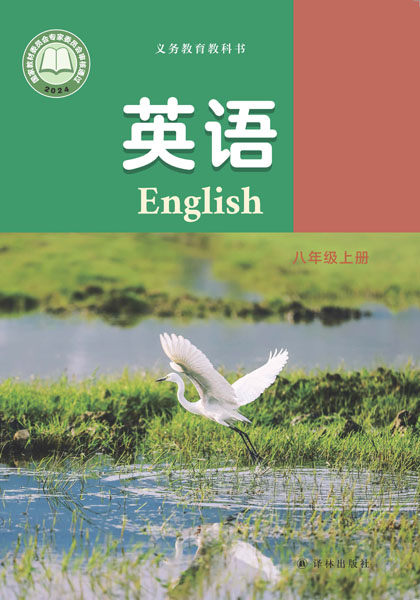

2026牛津译林版八年级上册英语 Unit 6 Seasons 课文朗读听力MP3与双语翻译

版本: 牛津译林版
年级: 八年级上册
出版社: 译林出版社
切换教材
汇总译林牛津八上初二气候与季节主题课文听力音频,收录 read about weather and seasons 诗篇朗读与纯正听力素材,提供逐行中英对照与听力易混词辨析,协助学生全面把握天气变化特征并熟练应对期末听力图表匹配题型。

牛津译林版八年级上册英语 Unit 6 课文句子跟读音频

连续播放
下载音频
  • Unit 6

    第 6 单元

  • Seasons

    季节

  • With the changing seasons come new beginnings.

    随着季节的变化,新的开始也随之而来。

  • In this unit, we will

    在本单元中,我们将

  • 1. read about weather and seasons;

    1. 阅读天气和季节;

  • 2. learn interesting facts about weather and seasons around the world;

    2. 了解世界各地天气和季节的有趣事实;

  • 3. describe our favourite seasons;

    3. 描述我们最喜欢的季节;

  • 4. better understand the beauty and power of nature.

    4. 更好地理解大自然的美丽和力量。

  • Time flies and seasons change.

    时光飞逝,四季更迭。

  • Every season has its own beauty.

    每个季节都有自己的美丽。

  • Let's find out what is special about each season and share our favourite seasons.

    让我们找出每个季节的特别之处,并分享我们最喜欢的季节。

  • Welcome to the unit

    欢迎来到本单元

  • Weather and seasons

    天气和季节

  • A. The Class 1, Grade 8 students are learning about different types of weather.

    A. 八年级一班的学生正在学习不同类型的天气。

  • Look at the words in the box and match them with the pictures.

    看方框里的单词,并将其与图片相匹配。

  • cloudy

    多云的

  • foggy

    有雾的,雾茫茫的

  • rainy

    多雨的

  • snowy

    下雪多的;被雪覆盖的

  • sunny

    晴朗的

  • windy

    多风的

  • B. Amy and Simon are talking about their favourite seasons.

    B. 埃米和西蒙正在谈论他们最喜欢的季节。

  • Work in pairs and talk about which season you like best.

    两人一组,谈谈你最喜欢哪个季节。

  • Use the conversation below as a model.

    以下面的对话为例。

  • Which season do you like best, Simon?

    西蒙,你最喜欢哪个季节?

  • I like autumn best.

    我最喜欢秋天。

  • Why do you like it?

    你为什么喜欢它?

  • The weather is very nice in autumn.

    秋天的天气非常宜人。

  • It's the best time to play football outside.

    这是在外面踢足球的最佳时间。

  • Yeah, and the trees are colourful in autumn.

    是的,秋天的树也是五颜六色的。

  • That's true.

    确实如此。

  • It's a beautiful time of year.

    这是一年中美好的时光。

  • So, which is your favourite season?

    那么,你最喜欢哪个季节?

  • I like summer best.

    我最喜欢夏天。

  • Why? Summer is so hot.

    为什么?夏天太热了。

  • Yes. But we can go swimming and enjoy ice cream!

    对。但我们可以去游泳,吃冰淇淋!

  • C. What season is it in your hometown?

    C. 你们的家乡现在是什么季节?

  • What is the weather like today?

    今天天气怎么样?

  • Reading

    阅读

  • A poem about seasons

    一首关于季节的诗

  • Millie is reading a poem about the seasons of the year.

    米莉正在读一首关于一年四季的诗。

  • Here is the poem.

    这是这首诗。

  • Before reading, think about the questions below.

    在阅读之前,请思考以下问题。

  • 1. What is each season like in your hometown?

    1. 你们家乡的每个季节是什么样的?

  • Use three words or phrases to describe each season.

    用三个单词或短语来描述每个季节。

  • 2. Which season do you think is the most beautiful?

    2. 你认为哪个季节最美?

  • Give your reasons.

    给出你的理由。

  • TIP

    小贴士

  • Images in a poem can connect us to the text and help us understand the poem's theme.

    诗歌中的意象可以将我们与文本联系起来,帮助我们理解诗歌的主题。

  • Seasons of the year

    一年中的季节

  • Winter days are full of snow,

    冬日里到处都是雪,

  • When trees and flowers forget to grow,

    树木和花朵都忘了生长,

  • And the birds fly far away

    鸟儿飞得很远

  • To find a warm and sunny day.

    寻找一个温暖阳光明媚的日子。

  • The days of spring are windy and bright,

    春天的日子多风,阳光明媚,

  • A perfect time to fly a kite!

    是放风筝的好时机!

  • Bees and butterflies play among flowers,

    蜜蜂和蝴蝶在花丛中嬉戏,

  • Then hide from April showers.

    然后躲避四月的阵雨。

  • Those sweet memories of summer days

    那些夏日的甜蜜回忆

  • Are about quiet streams and trees and shade,

    关乎静谧的溪流、树木与树荫,

  • Lazy afternoons by a pool,

    在泳池边慵懒的午后,

  • And eating ice cream to feel cool.

    以及吃冰淇淋来感受清凉。

  • Then autumn leaves turn brown,

    然后秋叶变黄,

  • Fall into piles upon the ground.

    落在地上堆成堆。

  • Farmers work to harvest crops,

    农民忙着收割庄稼,

  • As the days get shorter and the temperature drops.

    随着白昼渐短,气温下降。

  • Soon the snowy season will begin,

    很快,雪季就要来临,

  • And it will be a new year once again.

    新的一年又要开始。

  • A. Some of the words in a poem often rhyme.

    A. 诗中的一些词经常押韵。

  • Help Millie complete the sentences.

    帮助米莉完成句子。

  • B. Look at the pictures below.

    B. 看下面的图片。

  • Write the correct seasons in the blanks.

    在空白处写下正确的季节。

  • Match each season with the correct description on the right.

    将每个季节与右侧的正确描述相匹配。

  • Write the correct letters in the boxes.

    在方框里写正确的字母。

  • a

    a

  • Quiet streams, trees and shade

    宁静的溪流、树木和树荫

  • Eat ice cream

    吃冰淇淋

  • b

    b

  • Full of snow

    满是雪

  • Birds fly far away

    鸟儿飞得很远

  • c

    c

  • A perfect time to fly a kite

    放飞风筝的绝佳时机

  • Bees and butterflies play among flowers

    鸟儿和蝴蝶在花丛中嬉戏

  • d

    d

  • Brown leaves fall on the ground

    树叶飘落在地上

  • Farmers harvest crops

    农民收割庄稼

  • C. Millie is writing about the four seasons and what she likes about them.

    C. 米莉正在写四季以及她喜欢四季的什么。

  • Complete her article with the correct forms of the words in the box below.

    用下面方框中单词的正确形式完成文章。

  • harvest

    收割(庄稼)

  • lazy

    慵懒的;懒惰的

  • memory

    回忆

  • perfect

    完美的

  • shade

    树(荫)

  • shower

    阵雨

  • stream

    小河,溪

  • temperature

    温度

  • D. Think about the questions below.

    D. 思考以下问题。

  • Share your answers with your classmates.

    与同学分享你的答案。

  • 1. What outdoor activities do your family usually do in different seasons?

    1. 你的家人在不同的季节通常做什么户外活动?

  • 2. Which place would you like better:

    2. 你更喜欢哪个地方:

  • a place with spring-like weather all year round, or one with four very different seasons? Why?

    一个四季如春的地方,还是一个四季分明的地方?为什么?

  • 3. What other poems about seasons do you know?

    3. 你还知道哪些关于季节的诗?

  • Share one with your classmates.

    和你的同学分享一个。

  • Grammar

    语法

  • Verbs and sentence structures (Ⅰ)

    动词和句子结构(Ⅰ)

  • Verbs can be transitive or intransitive.

    动词可以是及物的,也可以是不及物的。

  • Transitive verbs (vt.) need an object.

    及物动词需要一个宾语。

  • They don't make sense without one.

    没有一个就没有意义。

  • But intransitive verbs (vi.) don't need an object to make sense.

    但是不及物动词不需要宾语来理解。

  • Many verbs can be used both ways.

    许多动词可以双向使用。

  • David loves summer.

    戴维爱夏天。

  • (love, vt.)

    (爱,及物动词)

  • The girls are swimming.

    女孩们在游泳。

  • (swim, vi.)

    (游泳,不及物动词)

  • The boys are playing football.

    男孩子们正在踢足球。

  • (play, vt.)

    (玩,及物动词)

  • The boys are playing in the park.

    男孩子们正在公园里玩。

  • (play, vi.)

    (玩,不及物动词)

  • The basic parts of a sentence are the subject (S), the verb (V) and (often, but not always) the object (O).

    句子的基本部分是主语(S)、谓语(V)和(经常,但不总是)宾语(O)。

  • Here are two basic sentence structures.

    有两种基本的句子结构。

  • S + V → The temperature drops.

    主语 + 谓语 → 温度下降。

  • S + V + O → Millie flies a kite.

    主语 + 谓语 + 宾语 → 米莉放风筝。

  • A linking verb (linking v.) links a subject to an adjective (phrase) or a noun (phrase) that describes it.

    系动词将主语与描述它的形容词(短语)或名词(短语)连接起来。

  • This word or phrase is called the predicative (P), and the sentence structure is subject (S) + linking verb (V) + predicative (P).

    这个词或短语被称为表语,句型结构为:主语 + 系动词 + 表语。

  • S + V + P → The sky is blue.

    主语 + 系动词 + 表语 → 天空是蓝色的。

  • The leaves turn yellow.

    叶子变黄了。

  • You can add other parts, such as adverbs, adjectives, etc., to expand sentences.

    你可以添加其他部分,如副词、形容词等,来扩展句子。

  • Farmers harvest crops all day.

    农民们整天收割庄稼。

  • Millie flies a kite well.

    米莉风筝放得很好。

  • Bees and butterflies play among flowers.

    蜜蜂和蝴蝶在花丛中嬉戏。

  • Amy likes summer best.

    埃米最喜欢夏天。

  • The wind is blowing hard.

    风刮得很大。

  • Autumn leaves turn golden brown.

    秋叶变成金黄色。

  • TIP

    小贴士

  • Common linking verbs are:

    常见的系动词有:

  • be become

    是 变成

  • feel get

    感觉 变得

  • grow look

    逐渐变得 看起来

  • seem smell

    似乎 闻起来

  • sound stay

    听起来 保持

  • taste turn

    尝起来 变成

  • A. Millie is writing about winter.

    A. 米莉正在写关于冬天的文章。

  • Write down the correct structure for each of her sentences.

    为她的每一个句子写下正确的结构。

  • 1. Winter arrives.

    1. 冬天来了。

  • 2. It is cold and snowy.

    2. 天气寒冷多雪。

  • 3. The snow is falling on the ground.

    3. 雪正飘落在地上。

  • 4. I like snowmen.

    4. 我喜欢雪人。

  • 5. My friends and I are making snowmen.

    5. 我和朋友们正在堆雪人。

  • 6. My snowman looks funny.

    6. 我的雪人看起来很滑稽。

  • B. David is writing about spring.

    B. 戴维正在写关于春天的文章。

  • Underline all the verbs in his writing and write the main structure of each sentence.

    在他写的所有动词下面划线,并写下每个句子的主要结构。

  • Spring is a lovely season.

    春天是一个可爱的季节。

  • The weather is nice.

    天气很好。

  • The sun shines.

    阳光灿烂。

  • The birds sing among flowers.

    鸟儿在花丛中歌唱。

  • The flowers smell wonderful.

    这些花闻起来很香。

  • Sometimes I go to the park.

    有时我去公园。

  • I watch the beautiful butterflies there.

    我在那里看美丽的蝴蝶。

  • They fly happily.

    它们快乐地飞翔。

  • C. Write about one season, using different sentence structures—S + V, S + V + O and S + V + P.

    C. 写一个季节,使用不同的句型结构——主语 + 谓语、主语 + 谓语 + 宾语和主语 + 系动词 + 宾语。

  • Word power

    词汇能力

  • The suffix -y

    后缀 -y

  • We can add the suffix -y to some nouns to form adjectives.

    我们可以在一些名词后添加后缀 -y 来构成形容词。

  • The suffix -y usually means 'having the quality of'.

    后缀 -y 通常表示“具有⋯⋯的性质”。

  • Noun + Suffix → Adjective

    名词 + 后缀 → 形容词

  • cloud + y → cloudy

    云 + y → 多云的

  • wind + y → windy

    风 + y → 多风的

  • rain + y → rainy

    雨 + y → 下雨的

  • snow + y → snowy

    雪 + y → 下雪的

  • sun + y → sunny

    太阳 + y → 晴朗的

  • fog + y → foggy

    雾 + y → 有雾的

  • Noun + Suffix → Adjective

    名词 + 后缀 → 形容词

  • luck + y → lucky

    幸运 + y → 幸运的

  • health + y → healthy

    健康 + y → 健康的

  • sleep + y → sleepy

    睡觉 + y → 熟睡的

  • shine + y → shiny

    光泽 + y → 闪光的

  • noise + y → noisy

    噪声 + y → 吵闹的

  • fun + y → funny

    乐趣 + y → 有趣的

  • TIP

    小贴士

  • Sometimes we need to change the ending of a noun when we add the suffix -y.

    有时,当我们添加后缀 -y 时,我们需要更改名词的结尾。

  • A. Millie is writing about the climate in Beijing.

    A. 米莉正在写北京的气候。

  • Complete her article with the help of the pictures and the words in the box.

    在方框中的图片和文字的帮助下完成她的文章。

  • Use the correct forms of the words.

    使用正确的单词形式。

  • fun

    乐趣

  • health

    健康

  • luck

    幸运

  • noise

    噪音

  • sleep

    睡觉

  • B. Write about the climate in your hometown, using adjectives ending in -y.

    B. 用以 -y 结尾的形容词写下你家乡的气候。

  • Integration

    整合

  • Seasons around the world

    世界各地的季节

  • A. Simon is reading an article about the 24 Solar Terms.

    A. 西蒙正在读一篇关于二十四节气的文章。

  • Read with him and answer the questions below.

    与他一起阅读并回答以下问题。

  • In ancient times, Chinese people noticed the changes in seasons and weather.

    在古代,中国人注意到季节和天气的变化。

  • They divided the year into 24 parts—these are the 24 Solar Terms.

    他们将一年划分为 24 个部分,即 24 个节气。

  • The terms start with the Beginning of Spring and end with the Major Cold.

    这些术语以立春开始,以大寒结束。

  • They show changes in crop growth, temperature and other weather conditions.

    它们显示了作物生长、温度和其他天气条件的变化。

  • Today many farmers still use the 24 Solar Terms to help decide what to do in their fields.

    今天,许多农民仍然使用 24 节气来帮助决定在他们的田地里做什么。

  • The terms also have important cultural meanings beyond farming.

    除了农业,这些术语还具有重要的文化意义。

  • Some of them are connected with traditional festivals.

    其中一些与传统节日有关。

  • They have had a positive effect on Chinese culture for thousands of years.

    几千年来,它们对中国文化产生了积极的影响。

  • 1. What are the uses of the 24 Solar Terms?

    1. 24 节气有什么用?

  • 2. Do you know any Solar Terms related to traditional festivals?

    2. 你知道与传统节日有关的节气吗?

  • Give one example.

    举个例子。

  • B1. Simon is learning about the weather in different places around the world.

    B1. 西蒙正在学习世界各地的天气。

  • Here is a recording about the weather in December in four different cities—Moscow, Shanghai, Cairo and Sydney.

    这是一段关于莫斯科、上海、开罗和悉尼四个不同城市 12 月天气的记录。

  • Listen with Simon and complete the table below.

    和西蒙一起听录音,并完成下表。

  • In December, the average temperature in Moscow, Russia is usually below zero degrees.

    12 月,俄罗斯莫斯科的平均气温通常在零度以下。

  • There is a lot of snow and the weather is cold, wet and windy.

    雪下得很大,天气寒冷、潮湿、多风。

  • The city is quite dark at the start of winter, with only about six or seven hours of daylight every day.

    初冬时,这座城市相当黑暗,每天只有大约六七个小时的日照。

  • In Shanghai, China, the average temperature in December is a few degrees above zero.

    在中国上海,12 月的平均气温略高于零度,

  • Because it is next to the sea,

    因为它靠近大海。

  • Shanghai does not get very cold.

    上海不太冷。

  • Winter in Shanghai can be quite wet.

    上海的冬天可能很潮湿。

  • It often rains, but seldom snows.

    经常下雨,但很少下雪。

  • In Cairo, Egypt, December is a winter month, but it is not cold with an average temperature above ten degrees Celsius.

    在埃及开罗,十二月是冬季,但并不冷,平均气温在 10 摄氏度以上。

  • The weather is often nice, but is usually cloudy.

    天气通常很好,但通常多云。

  • December is a summer month in Sydney, Australia.

    12 月是澳大利亚悉尼的夏季。

  • It usually has an average temperature above twenty degrees Celsius, but it is sometimes much hotter.

    它的平均温度通常在 20 摄氏度以上,但有时会更热。

  • The weather is great.

    天气很好。

  • On average, there is about nine hours of sunshine every day and not much rain.

    平均而言,每天有大约 9 个小时的阳光,雨水不多。

  • TIP

    小贴士

  • When listening to weather reports, focus on keywords such as below, above, average, sunny and cloudy.

    收听天气预报时,请关注“以下”“以上”“平均”“晴天”和“阴天”等关键词。

  • B2. Simon is listening to a weather forecast for the four cities in Part B1.

    B2. 西蒙正在听 B1 部分中四个城市的天气预报。

  • Listen with him and complete the table below.

    和他一起听并帮他完成下表。

  • Good morning and welcome to World Weather today.

    早上好,欢迎收看今天的世界天气。

  • We start in Moscow on a cold and snowy December morning.

    我们从在一个寒冷多雪的十二月早晨的莫斯科开始。

  • The temperature is minus ten to minus five degrees Celsius.

    气温在零下十到零下五摄氏度之间。

  • So wear lots of warm clothes when you go outside.

    所以你出去的时候请穿很多保暖的衣服。

  • Next, we head over to Shanghai on a sunny morning.

    接下来,我们来看看早晨阳光明媚的上海。

  • The temperature is seven to nine degrees Celsius.

    气温是七到九摄氏度。

  • And there's a cool wind.

    还有凉爽的风。

  • So wear a light scarf.

    所以戴一条薄围巾。

  • Now we move to bright and sunny Cairo.

    现在我们来到阳光明媚的开罗。

  • The temperature is fourteen to sixteen degrees Celsius,

    气温在 14 到 16 摄氏度之间,

  • so it's fine to wear a light jacket.

    所以穿一件轻便的夹克就可以了。

  • And finally, it's an unusual day in Sydney because it's raining.

    最后,这是悉尼不寻常的一天,因为下雨了。

  • It's still hot with a temperature of twenty-six to twenty-nine degrees Celsius,

    天气仍然很热,气温在 26 到 29 摄氏度之间,

  • but you'll need your umbrella if you go outside.

    但如果你出去,你需要带把伞。

  • That's it.

    就是这样。

  • Have a great day.

    祝你今天过得愉快。

  • B3. Simon is writing about the weather in Moscow, Shanghai, Cairo and Sydney in December.

    B3. 西蒙正在写关于莫斯科、上海、开罗和悉尼 12 月的天气的。

  • Complete his article below with the information in Parts B1 and B2.

    用 B1 和 B2 部分的信息完成下面的文章。

  • C. Simon is talking about the weather with his grandpa in Harbin on the phone.

    C. 西蒙正在和他在哈尔滨的爷爷通电话。

  • Work in pairs and talk about the weather in your area.

    两人一组,谈谈你所在地区的天气。

  • Use the conversation below as a model.

    以下面的对话为例。

  • Hello, Grandpa!

    你好,爷爷!

  • This is Simon.

    我是西蒙。

  • How are you doing?

    你好吗?

  • Hi, Simon.

    嗨,西蒙。

  • I'm fine, but it's really cold.

    我很好,但天气真的很冷。

  • There was a heavy snowstorm here in Harbin yesterday.

    昨天哈尔滨这里下了一场大暴风雪。

  • It's difficult to get around the city with so much snow.

    雪下得这么多,很难在城市里四处走动。

  • Oh dear!

    哦,天哪!

  • The weather is so awful.

    天气太糟糕了。

  • You'd better not go out.

    你最好不要出去。

  • I can order things for you online, Grandpa.

    爷爷,我可以在网上给你订东西。

  • Thanks, Simon.

    谢谢你,西蒙。

  • I can manage.

    我能应付。

  • I hope the snow will melt soon.

    我希望雪很快就会融化。

  • OK. Feel free to call us if you need help.

    好的。 如果您需要帮助,请随时致电我们。

  • Take care, Grandpa. Bye-bye.

    保重,爷爷。 再见。

  • You take care too. Bye.

    你也保重。再见。

  • TIP

    小贴士

  • To start a phone call, we can begin with a polite greeting and then introduce ourselves,

    要开始打电话,我们可以先礼貌地问候,然后介绍自己,

  • e.g.

    例如,

  • Hello.

    “你好。

  • This is ...

    我是⋯⋯”

  • D. An online magazine is holding a writing competition on one's favourite season.

    D. 一家在线杂志正在举办一场关于自己最喜欢的季节的写作比赛。

  • Simon's cousin Vicky from Harbin wants to take part in it.

    来自哈尔滨的西蒙的表妹维基想参加。

  • D1. Vicky is working on an outline for her writing.

    D1. 维基正在写她的写作提纲。

  • Read her outline.

    读她的大纲。

  • Then complete the table below with the information about your favourite season.

    然后用你最喜欢的季节信息填写下表。

  • The season I like best

    我最喜欢的季节

  • Vicky

    维基

  • Me

    我

  • What the season is

    什么季节

  • Winter

    冬天

  • What the season is like

    这个季节是什么样的

  • Cold, usually below zero

    寒冷,通常在零度以下

  • Often snowy;

    常常大雪纷飞;

  • land covered in snow;

    大地被雪覆盖;

  • frozen lakes and rivers

    湖泊和河流结冰。

  • What I do in the season

    我在这个季节做什么

  • Have big snowball fights with friends

    和朋友打雪仗

  • Make snowmen

    堆雪人

  • Enjoy the Ice and Snow Festival

    享受冰雪节

  • Why I like the season

    我为什么喜欢这个季节

  • Beautiful

    美丽的

  • Can do many fun winter activities

    可以做很多有趣的冬日活动

  • D2. Read Vicky's article about her favourite season.

    D2. 阅读维基关于她最喜欢的季节的文章。

  • I love winter

    我喜欢冬天

  • Season

    季节

  • Winter is my favourite season.

    冬天是我最喜欢的季节。

  • It is very cold, and everyone has to wear thick warm clothes,

    天气很冷,每个人都要穿厚厚的保暖衣服,

  • but I always enjoy winter here in Harbin.

    但我总是喜欢在哈尔滨过冬。

  • Views

    看法

  • During this season, you cannot see colourful flowers.

    在这个季节,你看不到五颜六色的花朵。

  • The temperature is usually below zero, and it is often snowy.

    气温通常在零度以下,而且经常下雪。

  • Everything is covered in deep white snow.

    一切都被厚厚的白雪覆盖着。

  • Even the lakes and rivers are frozen.

    甚至连湖泊和河流都冻住了。

  • The land is quiet and beautiful.

    这片土地宁静而美丽。

  • Activities

    活动

  • My friends and I love to have big snowball fights.

    我和朋友们喜欢打雪仗。

  • We throw snowballs at each other, running and laughing.

    我们边跑边笑,互相扔雪球。

  • We also make snowmen and use carrots for their noses.

    我们还堆雪人,用胡萝卜做鼻子。

  • They look funny.

    它们看起来很滑稽。

  • Moreover, I enjoy the Ice and Snow Festival each year.

    此外,我每年都喜欢冰雪节。

  • There are beautiful ice sculptures everywhere.

    到处都是美丽的冰雕。

  • Feelings

    感受

  • Winter in Harbin is really great, and there are many fun activities to do.

    哈尔滨的冬天真的很棒,有很多有趣的活动可以做。

  • I love winter!

    我喜欢冬天!

  • D3. Write an article about your favourite season based on the information in Part D1.

    D3. 根据 D1 部分的信息写一篇关于你最喜欢的季节的文章。

  • Use Vicky's article as a model.

    以维基的文章为例。

  • Useful expressions

    常用表达

  • ... is my favourite season.

    ⋯⋯是我最喜欢的季节。

  • I love spring/summer/autumn/winter because ...

    我喜欢春天/夏天/秋天/冬天,因为⋯⋯

  • The temperature is usually ...

    温度通常是⋯⋯

  • It is often snowy/sunny/windy/rainy/...

    天气经常下雪/晴朗/刮风/下雨/⋯⋯

  • I always enjoy ...

    我总是很享受⋯⋯

  • During this season, you can/cannot ...

    在这个季节,你可以/不能⋯⋯

  • My friends and I often ...

    我和我的朋友们经常⋯⋯

  • Assessment

    评估

  • What I can do

    我能做什么

  • Me

    我

  • Partner

    搭档

  • 1. I can retell facts about different kinds of weather and seasons.

    1. 我能复述不同天气和季节的事实。

  • 2. I can use verbs, sentence structures and the suffix -y correctly.

    2. 我能正确使用动词、句子结构和后缀 -y。

  • 3. I can talk and write about my favourite season with the new words in this unit.

    3. 我可以用本单元的生词谈论和写我最喜欢的季节。

  • 4. I have some ideas about the beauty and power of nature and how we should live in harmony with it.

    4. 我对大自然的美丽和力量以及我们应该如何与之和谐相处有一些想法。

  • Assess your learning of new words and grammar by doing the exercises on page 137.

    通过做第 137 页的练习来评估你对新单词和语法的学习情况。

  • Result:

    结果:

  • Weak

    一般

  • Good

    不错

  • Wonderful

    非常棒

  • I am good at ______.

    我擅长______。

  • I need to spend more time on ______.

    我需要花更多的时间在______。

  • My action plan: ______

    我的行动计划:______

  • Further study

    拓展学习

  • In the traditional Chinese calendar, one year is divided into the 24 Solar Terms.

    在中国传统历法中,一年分为二十四节气。

  • Many farmers still use these Solar Terms to help them plan their farming activities.

    许多农民仍然使用这些节气来帮助他们计划他们的农业活动。

  • Choose one Solar Term and do some research to find out more about it.

    选择一个节气,做一些研究来了解更多。

  • Then share your findings with your classmates.

    然后与同学们分享你的发现。

  • The 24 Solar Terms

    24 节气

牛津译林版八年级上册英语Unit 6单词跟读音频

单词跟读

foggy

snowy

yeah

hide

shower

memory

stream

shade

lazy

pool

as

programme

difference

environment

rocket

movie

spoon

language

aware

pizza

provide

drama

importance

improve

suggestion

vacation

international

forward

boring

chopstick

知识点笔记

2026牛津译林版八年级上册英语 Unit 6 Seasons(译林牛津八上)课文语法考点、听力问答与重点短语笔记

译林八上Unit 6气候与季节导读

领略《Unit 6 Seasons》引导学生观察自然规律与气候变迁。课文要求学生 read about weather and seasons,了解世界不同地理区域的季节反差现象。通过对春生、夏长、秋收、冬藏的诗意表达,指导中学生运用生动形象的英语词汇描写自己最喜爱的季节与户外活动。

第7课听力常考天气词汇与节奏

听力测试重点考查天气形容词后缀变换规律,如 rain 变为 rainy、sun 变为 sunny、wind 变为 windy。总结表示气温升降与季节变化的常用句型,例如 It is the best time for fly kites in spring。体会英文小诗的韵脚与节奏律动,强化初中生对语篇节奏与听力细节信息的捕获能力。

牛津译林版八年级上册Unit 6英语最新练习题