
首页 / 六年级下册 /湘鲁版 /Unit 4 We went on a science field trip.

湘鲁版六年级下册英语 Unit 4 课文朗读MP3音频与双语对照原文

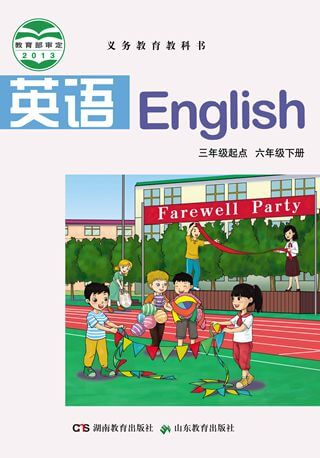
版本: 湘鲁版
年级: 六年级下册
出版社: 湖南&山东教育出版社
切换教材
2026湘鲁版六年级下册英语《Unit 4 We went on a science field trip.》(湘鲁六下第4单元课文)系统归纳研学旅行考查句式。剖析核心句型 Where did you go last weekend? 与方位描述,掌握 dinosaur、space、fossil 等科普词汇,强化听力细节提取能力。

湘鲁版六年级下册英语 Unit 4 We went on a science field trip. 课文句子跟读音频

连续播放
下载音频
  • Unit 4 We went on a science field trip.

    第四单元 我们去进行了科学考察。

  • What did you learn?

    你们学到了什么?

  • We learned that a baby butterfly can make silk.

    我们学到了幼小的蝴蝶可以产丝。

  • Section A

    A部分

  • Look, listen and act

    看一看,听一听并演一演

  • The children went on a science field trip last week.

    上周孩子们去进行了科学考察。

  • They are talking about the field trip in their class today.

    今天他们正在班上谈论那次实地考察。

  • Class, we went on a science field trip last week.

    同学们,我们上周去进行了科学考察。

  • Did you enjoy it?

    你们喜欢吗?

  • Yes, we did.

    是的,我们喜欢。

  • It was very interesting.

    它非常有意思。

  • Good.

    很好。

  • What did you learn?

    你们学到了什么?

  • We learned many things on the science field trip.

    我们在这次科学考察中学到了许多东西。

  • We learned that a baby butterfly can make silk.

    我们学到了幼小的蝴蝶可以产丝。

  • We learned that bees can make honey.

    我们学到了蜜蜂可以产蜜。

  • We saw the bees drink the sweet juice from flowers.

    我们看到蜜蜂喝花上的甜汁。

  • We learned that ants are good.

    我们了解到蚂蚁是很好的。

  • We learned that ants always work together.

    我们了解到蚂蚁总是合作共事。

  • Bees always work together, too.

    蜜蜂也总是合作共事。

  • Excellent!

    好极了!

  • You learned many things.

    你们学到了很多东西。

  • Listen and say

    听一听,说一说

  • What did you learn?

    你们学到了什么?

  • We learned that bees can make honey.

    我们学到了蜜蜂可以产蜜。

  • butterfly

    蝴蝶

  • bee

    蜜蜂

  • ant

    蚂蚁

  • silk

    丝;丝织品

  • moth

    蛾

  • honey

    蜂蜜

  • Listen, tick and match

    听一听,勾一勾并连一连

  • Li Wei

    李伟

  • What did he see?

    他看见了什么?

  • birds

    鸟(bird的复数形式)

  • bees

    蜜蜂(bee的复数形式)

  • snakes

    蛇(snake的复数形式)

  • He learned that some birds fly to the south in winter and snakes sleep in a hole in winter.

    他了解到有些鸟在冬天飞到南方,蛇冬天睡在洞里。

  • Wang Li

    王莉

  • What did she see?

    她看见了什么?

  • tigers

    老虎(tiger的复数形式)

  • bears

    熊(bear的复数形式)

  • pandas

    熊猫(panda的复数形式)

  • She learned that pandas eat 10-15 kg of bamboo a day.

    她了解到熊猫每天要吃10-15公斤的竹子。

  • some birds fly to the south in winter

    一些鸟在冬天会飞向南方

  • bees can tell each other about food

    蜜蜂可以将食物告知彼此

  • pandas eat 10-15 kg of bamboo a day

    熊猫一天吃10到15千克的竹子

  • snakes sleep in a hole in winter

    蛇在洞里冬眠

  • Look, talk and write

    看一看,说一说并写一写

  • Work in pairs.

    两人活动。

  • Look at the pictures.

    看图。

  • Tell your partner what you learned.

    跟你的搭档讲一讲你学到了些什么。

  • Draw and talk about something new.

    画出并谈论一下新事物。

  • We saw a butterfly.

    我们看见了一只蝴蝶。

  • We learned that a baby butterfly can make silk.

    我们了解到蝴蝶的幼虫会吐丝。

  • We saw some some ants.

    我们看见了一些蚂蚁。

  • We learned that ants always work together.

    我们了解到蚂蚁总是集体工作。

  • Section B

    B部分

  • Listen, read and write

    听一听,读一读并写一写

  • Read about the silkworm and put the pictures in the right order.

    阅读有关这只蚕的信息,然后将这些图片按照正确的顺序进行排列。

  • Science Project: A Silkworm Can Make Silk

    科学课题:蚕可以产丝

  • The silk moth lays its eggs on a leaf.

    蚕蛾在一片叶子上产卵。

  • This is a silk moth.

    这是一只蚕蛾。

  • It looks like a butterfly.

    它看起来像一只蝴蝶。

  • Silkworms come out of the eggs.

    蚕从蛋里面出来。

  • The silkworms eat the leaves on the trees.

    蚕吃着树上的叶子。

  • The silkworms produce very long silk threads.

    蚕生产非常长的丝线。

  • They sleep inside.

    然后它们在里面睡觉。

  • We buy silk clothes in the shops.

    我们在商店里买丝绸衣服。

  • People take the silk threads to make silk.

    人们拿这些丝线来制造丝绸。

  • Pair work

    两人活动

  • What can you see in the pictures?

    在这些图中你可以看见什么?

  • Make a sentence about each picture and tell your friend.

    给每幅图造一个句子并跟你的朋友说一说。

  • Bees can make honey.

    蜜蜂可以产蜜。

  • We buy honey in a shop.

    我们在商店里买蜂蜜。

  • Talk, write and tell

    说一说,写一写并讲一讲

  • Walk in groups.

    小组活动。

  • Choose one of the places.

    选出这些图片中的其中一幅。

  • Imagine that you went there last week.

    假设你上周去过那里。

  • museum

    博物馆

  • zoo

    动物园

  • library

    图书馆

  • Write what you saw, what you did, and what you learned there.

    写出你在那里看见了什么、做了些什么以及学到了些什么。

  • What did you see?

    你看见了什么?

  • What did you do?

    你做了些什么?

  • What did you learn?

    你学到了些什么?

  • Tell the class about the form.

    给全班同学讲述一下这份表格。

  • Last week, we went to the zoo.

    上周,我们去了动物园。

  • We saw pandas and elephants.

    我们看见了熊猫和大象。

  • We took photos.

    我们拍了照片。

  • We learned that pandas eat bamboo.

    我们了解到熊猫吃竹子。

  • Listen and sing

    听一听,唱一唱

  • fl-

  • Fly fly butterfly.

    歌词大意:飞,飞,蝴蝶飞。

  • Fly fly dragonfly.

    飞,飞,蜻蜓飞。

  • The butterfly flew away.

    蝴蝶飞走了。

  • Flow flow the river flowed.

    流,流,河水流淌着。

  • Flow flow water flowed.

    流,流,水流淌着。

  • The water flowed, water flowed away.

    水流淌着,水流走了。

  • Things I can do

    我能做的事

  • I can say:

    我能说:

  • We went on a science field trip last week.

    我们上周去进行了科学考察。

  • What did you learn?

    你们学到了什么?

  • We learned that ants are good.

    我们了解到蚂蚁是很好的。

  • I can read and spell:

    我能朗读并拼写:

  • butterfly

    蝴蝶

  • butterfly

    蝴蝶

  • flower

    花

  • flower

    花

  • silk

    丝;丝织品

  • silk

    丝;丝织品

  • drink

    喝

  • drink

    喝

  • I can listen, read, write and say:

    我能听、说、读、写:

  • butterfly

    蝴蝶

  • bee

    蜜蜂

  • ant

    蚂蚁

  • silk

    丝;丝织品

  • moth

    蛾

  • honey

    蜂蜜

湘鲁版六年级下册英语Unit 4 We went on a science field trip.单词跟读音频

单词跟读

last

butterfly

silk

bee

honey

ant

excellent

moth

hole

silkworm

wise

was

leader

brave

lives

person

hero

play

soldier

woman

man

Germany

end

get

worry

exam

maybe

grade

soon

finish

知识点笔记

湘鲁版六年级下册英语 Unit 4(湘鲁六下第4单元课文)课文语法考点、听力问答与重点短语笔记

湘鲁六下U4研学听力高频提问与应答

听力录音紧扣综合实践单元《Unit 4 We went on a science field trip.》,高频测试句型有:“Where did you go for the trip?”(你们考察去了哪里?)答语“We went to the science center.”;“What did you learn there?”应答“We learned about space and dinosaurs.”。

湘鲁六下U4助动词did引导疑问句

  • 1. did 引导的特殊疑问句:特殊疑问词后接助动词 did 加主语,此时后面的实义动词必须恢复为动词原形,如“Where did you go?”中不可使用 went。
  • 2. 时间状语标志:yesterday、last weekend、two days ago 均为过去时标志词,通常置于句首或句末。

湘鲁六下U4科学研学短语与同化辨音

本单元涉及的核心短语涵盖:look at(观察)、take photos(拍照)、learn about(了解)、write a report(撰写报告)。听力中需特别注意 did you 的同化发音现象 /ˈdɪdʒu/,准确捕捉地点与事实信息。

湘鲁版六年级下册Unit 4 We went on a science field trip.英语最新练习题