
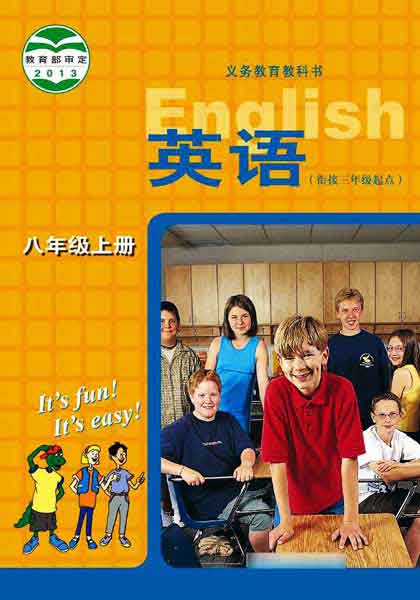
 切换教材
切换教材
Unit 6 Go with Transportation!课文句子跟读音频
UNIT 6 Lessons 31—36 Go with Transportation!
第六单元 第31-36课 乘交通工具出行!
We Will Learn
我们会学到
Functions
功能
Possibility and Impossibility
可能和不可能
Grammar
语法
Infinitives
动词不定式
Structures
结构
You could take a ship to your hometown!
你可以坐船去你的家乡!
But with a transporter, it would take just a few seconds.
但是用输送器,它将只花几秒钟。
In the future, cars will probably use water or sun energy to power them.
在未来,小汽车可能会用水或太阳能给它们提供动力。
Lesson 31: How Do You Travel?
第三十一课:你怎么旅行?
THINK ABOUT IT
想一想
How do you travel in your city, town or village?
你怎么在你的城市、乡镇或村庄旅行?
What's your favourite type of transportation?
你最喜欢的交通方式是什么?
How do you like to travel, Danny?
丹尼,你喜欢怎样旅行?
I like to walk.
我喜欢步行。
I can go almost anywhere on foot.
我几乎可以步行去任何地方。
I can walk to school.
我可以步行去学校。
I can walk to the park.
我可以步行去公园。
I can walk to your house.
我可以步行去你家。
You can walk to the bakery to buy donuts.
你可以步行去面包店买甜甜圈。
What about going to other cities?
去其他的城市呢?
Could you go to another city on foot?
你能步行去另一个城市吗?
Of course not.
当然不。
That would be too far!
那太远了!
I like to take a train to other cities.
我喜欢乘火车去别的城市。
I love riding the train.
我爱坐火车。
It's my favourite type of transportation.
那是我最喜欢的交通方式。
What about you, Brian?
你呢,布莱恩?
The train is good, but I couldn't take a train to London to visit my parents.
火车是很好,但我不能乘火车去伦敦看望我的父母。
London is across the ocean.
伦敦在大洋的对岸。
You could take a ship to your hometown!
你可以坐船去你的家乡!
Of course, but it would take a long time to go from Canada to Britain.
当然,但是从加拿大到英国会花费很长时间。
I seldom travel by ship.
我很少坐船旅行。
I like travelling by plane.
我喜欢乘飞机旅行。
It is faster.
它更快。
I like rapid transportation, too.
我也喜欢快速的交通方式。
Could I take a plane to the bakery?
我可以乘飞机去面包店吗?
Let's go!
我们走吧!
Danny!
丹尼!
Let's Do It!
做一做!
Read the lesson and write true(T) or false(F).
阅读这篇课文并写出正确或错误。
Danny likes to travel on foot.
丹尼喜欢步行旅行。
Brian would like to take a train to London.
布莱恩想乘火车去伦敦。
Jenny likes to travel by plane.
詹妮喜欢乘飞机旅行。
It would take Brian a long time to take a ship to his hometown.
乘轮船去布莱恩的家乡会花费他很长时间。
Listen to the passage and match the people with their favourite types of transportation.
听这篇短文并把人物和他们最喜欢的交通方式搭配起来。
David
大卫
Roy
罗伊
Jack
杰克
Tom
汤姆
Fill in the blanks with the words from this lesson.
用本课中的单词填空。
The first letter is given.
首字母已给出。
The boy is strong enough to swim across the small river.
这个男孩够强壮能游过这条小河。
Almost every kid can send massages on his or her mobile phone now.
现在几乎每个小孩都能用他的/她的手机发信息。
Mary's father is very busy.
玛丽的父亲非常忙。
He seldom gets home for dinner.
他很少回家吃饭。
The buses are really slow in our city.
公共汽车在我们城市真的很慢。
Yes, they are.
是的。
We need more rapid transportation.
我们需要更快的交通方式。
How often do you go to your hometown to visit your grandparents?
你多久回家乡看你的祖父母一次?
Twice a year.
一年两次。
Work in groups.
小组活动。
Survey your group members about their favourite types of transportation.
做一个关于你们组的组员最喜欢的交通方式的调查。
Then make up a dialogue.
然后编一个对话。
Example:
例如:
What is your favourite type of transportation?
你最喜欢的交通方式是什么?
Name
姓名
Transportation
交通工具
Lesson 32: Trains Go Faster!
第三十二课:火车行驶比较快!
THINK ABOUT IT
想一想
How do you usually travel to other cities?
你通常怎样去其他城市旅行?
Talk about your first time taking a train.
谈一谈你第一次乘火车的经历。
In the 1700s, many scientists worked on steam engines.
在18世纪,很多科学家致力于蒸汽机的研制。
In the 1760s, a scientist in England found a way to put steam engines and wheels together.
在18世纪60年代,一位英国的科学家发现了一种把蒸汽机和轮子组合在一起的方法。
Soon people had a new type of transportation: the steam train.
不久人们就有了一种新型的交通工具:蒸汽火车。
In 1804, the first train engine was born in England.
在1804年,第一台机车在英国诞生了。
It travelled only about fifteen kilometres in two hours.
两小时仅行驶大约15千米。
In 1825, the first passenger railway opened.
在1825年,第一条客运铁路开通了。
The Rocket was the most famous early engine.
“火箭号”是最著名的早期火车。
During the 1830s, countries all over the world started to build railways.
在19世纪30年代期间,世界各国开始修建铁路。
Fifty years later many countries had railways.
50年后很多国家有了铁路。
People built many train stations to help passengers get on and off the trains easily.
人们建了很多火车站来帮助乘客方便上下火车。
Early trains were slow by today's standards.
早期的火车相对今天的标准要慢。
The Rocket had a top speed of only 45 kilometres per hour.
“火箭号”每小时最高的速度仅为45千米。
Today's high-speed trains can travel at about 300 kilometres per hour.
今天的高速火车每小时能行进大约300千米。
The fastest trains can go about 500 kilometres an hour.
最快的火车每小时能行进大约500千米。
Maybe trains will have no wheels in the future.
或许在将来火车会没有轮子。
Maybe they will ride on air.
或许他们会在空中行驶。
That would be amazing!
那真是太奇妙了!
High-speed trains are fast!
高速火车很快啊!
Let's Do It!
做一做!
Read the lesson and answer the questions.
阅读这篇课文并回答问题。
Where was the first train engine built?
第一台机车是在哪建造的?
When did the first passenger railway open?
第一条客运铁路是什么时候开通的?
How fast do today's trains go?
今天的火车能行驶多快?
What might future trains be like?
将来的火车会是什么样?
Listen to the dialogue and tick the correct information.
听对话并勾出正确的信息。
in 1804
在1804年
in 1825
在1825年
in 1830
在1830年
30 kilometres an hour
每小时30千米
45 kilometres an hour
每小时45千米
54 kilometres an hour
每小时54千米
seven
七
seventeen
十七
seventy
七十
50 kilometres an hour
每小时50千米
500 metres an hour
每小时500米
500 kilometres an hour
每小时500千米
Complete the dialogue with the correct forms of the words in the box.
用方框内单词的正确形式完成对话。
railway
铁路
station
站;所;车站
speed
速度
passenger
乘客
Hello John.
你好,约翰。
How are you doing?
你最近怎么样?
Hi Tom.
嗨,汤姆。
I'm doing well.
我很好。
Have you been to our new railway station?
你去过我们的新火车站吗?
Not yet.
还没有。
How about you?
你呢?
I went there last month.
上个月我去了那里。
It's bright and beautiful.
它既明亮又漂亮。
It's easy for passengers to get on and off the train.
对乘客来说,上下车很方便。
It was exciting.
它令人兴奋。
The train went really fast.
火车跑的很快。
It can reach a top speed of 500 kilometres an hour.
它能达到每小时500千米的高速。
That's really fast!
那的确很快!
I hope to ride it soon.
我希望很快乘坐它。
Read the passage and answer the questions.
阅读这篇短文并回答问题。
Over two thousand years ago, Chinese people invented kites.
两千多年前,中国人发明了风筝。
Kites can fly like birds, but they can't take people up into the sky.
风筝能像鸟一样飞,但是它们不能把人带上太空。
Hundreds of years later, the Wright brothers made the first successful experiment.
数百年之后,莱特兄弟做了第一个成功的实验。
A machine carrying a man rose into the sky using its own energy.
一台载着人的机器用它自己的能量升上了天空。
It was the first plane.
那是第一架飞机。
Inventors went on to improve planes.
发明家们继续改善飞机。
Two engineers, Frank Whittle of the U. K. and Hans Von Ohain of Germany, developed the jet plane during the late 1930s.
两名工程师,英国的弗兰克·惠特尔和德国的汉斯·冯·奥海恩在20世纪30年代晚期研制了喷气式飞机。
Who invented kites?
谁发明了风筝?
Can kites take people up into the sky?
风筝能把人带上天空吗?
Where was Frank Whittle from?
弗兰克·惠特尔来自哪里?
Lesson 33: Life on Wheels
第三十三课:轮子上的生活
THINK ABOUT IT
想一想
How many ways can you think of to use wheels?
你能想出多少种使用轮子的方法?
How can you get to the moon?
你怎样才能到达月球?
Hello, I'm Jeremy.
你好,我是杰里米。
I'm from the U.S.
我来自美国。
This is my report on transportation.
这是我关于交通工具的报告。
This world is always moving.
这个世界总是运动的。
Everything seems to have wheels, engines or wings.
所有的东西似乎都有轮子、发动机或者翅膀。
Everything seems to be getting faster, too.
一切也似乎变得更快了。
Long ago, horses pulled carts, but now we have engines on everything, even on bicycles and skateboards!
很久以前,马拉着手推车,但是现在我们所有东西上都有发动机,甚至自行车和滑板上也有!
Where did it begin?
这开始于哪里?
Well, in the 1700s people invented the steam engine.
恩,在18世纪人们发明了蒸汽机。
That was the beginning of trains.
那是火车的起源。
Then steam was able to power boats and cars.
那时蒸汽能给轮船和小汽车提供动力。
Boats have been around for thousands of years.
轮船已经存在数千年了。
Now with engines, they can go very fast.
现在有了发动机,它们可以航行的很快。
The first car appeared about two hundred years ago, and now the roads are full of cars.
第一辆小汽车大约在二百年前出现。现在路上到处都是小汽车。
All of these cars make the U.S. a nation on wheels.
所有的这些汽车使美国成为一个轮子上的国家。
Transportation is not just on the ground or water.
交通工具不仅仅用于陆地上或者水上。
Over 100 years ago, people began to make flying machines.
一百多年前,人们开始制造飞行器。
Today we travel a lot by airplane.
今天我们常乘飞机旅行。
Now people can even travel to space in spaceships.
现在人们甚至能乘宇宙飞船去太空旅行。
Can you imagine future transportation?
你能想象未来的交通工具吗?
My favourite type of transportation is the bicycle.
我最喜欢的交通方式是自行车。
I like to go everywhere by bike in my city.
我喜欢骑自行车去城里的任何地方。
It's good for my health and for the environment.
这对我的健康和环境都有好处。
What's your favourite type of transportation?
你最喜欢的交通方式是什么?
It's fun to ride a bike.
骑自行车很有趣。
Let's Do It!
做一做!
Listen to the passage and choose the correct words.
听这篇短文并选出正确的单词。
How do we use wheels?
我们怎样使用轮子?
Many years ago, people invented many helpful vehicles such as trains and cars.
很多年前,人们发明了很多有用的交通工具。比如火车和小汽车。
This was the beginning of modern transportation.
这是现代交通的开始。
It's much easier for people to travel now.
现在对人们来说,旅行容易多了。
But to keep healthy, we should walk or ride bicycles.
但是为了保持健康,我们应该步行或骑自行车。
Read the lesson and fill in the blanks.
阅读这篇课文并填空。
The first letter is given.
首字母已给出。
This is Jeremy's report on transportation.
这是杰里米的关于交通工具的报道。
Cars make the U.S. a nation on wheels.
汽车使美国成为一个轮子上的国家。
Now people can even travel to space in spaceship.
现在人们甚至能乘宇宙飞船去太空旅行。
Riding a bike is good for our health and the environment.
骑自行车对我们的健康和环境有好处。
Read the passage and label the bicycle.
阅读这篇短文并给自行车贴上标签。
Bicycle means "two wheels".
自行车意味着“两个轮子”。
The first bicycle was probably created in Germany in 1816.
第一辆自行车可能于1816年产生于德国。
It was heavy and had wooden wheels.
它很笨重,有木头轮子。
At first, the bicycle had two wheels but no pedals.
起初,自行车有两个轮子,但是没有脚踏板。
People pushed it along with their feet.
人们用脚推着它前行。
In 1838, a man in the U.K. invented pedals.
在1838年,一个英国人发明了脚踏板。
The modern bicycle was invented in 1876 in England.
现代自行车于1876年发明于英国。
By 1900, bicycles had tyres filled with air.
到1900年,自行车有了充气轮胎。
Air-filled tyres made bicycles more comfortable to ride.
充气轮胎使自行车骑起来更舒适。
Today's bicycles look the same as bicycles from the 1900s, but they are lighter.
今天的自行车看起来与20世纪的自行车一样,但是它们更轻便。
This is because they all have hollow frames.
这是因为它们都有中空的框架。
seat
座位
chain
链子
Work in pairs.
结对练习。
Imagine the transportation of the future.
想象一下未来的交通工具。
Then make up a dialogue.
然后编写一个对话。
Example:
例如:
What does it look like?
它看起来像什么?
It looks like a bird.
它看起来像只鸟。
It has wings.
它有翅膀。
How will it help people?
它将怎样帮助人们?
Lesson 34: Flying Donuts
第三十四课:飞行的甜甜圈
THINK ABOUT IT
想一想
What kinds of transportation can you name?
你能说出哪几种交通工具?
Imagine a new type of transportation.
想象一种新型的交通工具。
Describe it!
描述一下它!
Danny has thought of a new kind of transportation.
丹尼想出一种新的交通工具。
He wants to give a presentation on it to the class.
他想向全班同学做有关它的介绍。
Last night, Danny stayed up late to make his invention.
昨天晚上,丹尼熬夜做他的发明。
He took an old backpack.
他拿了一个旧背包。
Then he made two cardboard rockets.
然后他做了两个硬纸板的火箭。
He painted them red and glued them onto the backpack.
他把它们涂成红色,并把它们粘到背包上。
In the morning, on his way to school, he bought ten donuts.
早上,在他去上学的路上,他买了10个甜甜圈。
Now Danny is standing at the front of the classroom.
现在,丹尼正站在教室的前面。
I would like to present my invention.
我想介绍我的发明。
I call it "Flying Donuts".
我叫它“飞行的甜甜圈”。
With my invention, you don't need an airplane to fly.
用我的发明,你不需要飞机来飞行。
First, you put the Flying Donuts bag on your back.
首先,你把这个飞行的甜甜圈背在你的背上。
Then you turn it on and jump into the air!
然后你把它打开,跳到空中!
OK, Danny.
好的,丹尼。
But why do you call it Flying Donuts?
但是你为什么叫它“飞行的甜甜圈”呢?
Look inside!
看里面!
See?
看到了吗?
I put ten donuts there.
我在那里放了10个甜甜圈。
What do the donuts do, Danny?
丹尼,甜甜圈做什么用?
The donuts are the fuel.
甜甜圈是燃料。
I don't need oil or coal.
我不需要石油和煤。
One donut will carry you one kilometres.
一个甜甜圈能载你行驶一千米。
To go ten kilometres, you need ten donuts.
要走10千米,你需要10个甜甜圈。
Do other types of food make the rockets go?
其他种类的食物能让火箭走吗?
Yes, but donuts are the best.
是的,但是甜甜圈是最好的。
Why is that?
那是为什么?
You can eat them when you get hungry!
因为当你饿的时候你可以吃它们!
Will Danny's invention really work?
丹尼的发明真的行得通吗?
Probably not, but he had fun, and he used his imagination!
很可能不会,但是他很高兴,他运用了他的想象力!
You can do it, too!
你也可以做到!
Do you like my invention?
你喜欢我的发明吗?
Let's Do It!
做一做!
Read the lesson and answer the questions.
阅读这篇课文并回答问题。
What does Danny call his invention?
丹尼把他的发明叫做什么?
How does Danny's invention work?
丹尼的发明怎么运行?
Why are donuts the best food to make the rockets go?
为什么甜甜圈是让火箭运行的最好的食品?
How far will you go if you have five donuts?
如果你有5个甜甜圈,你会走多远?
Fill in the blanks with the correct forms of the given words.
用所给单词的正确形式填空。
To be a writer, you need a good imagination.
作为一名作家,你需要好的想象力。
It's too dark now.
现在天太黑了。
To see clearly, you need to turn on the light.
为了看得清楚,你需要打开电灯。
It is one of the most important inventions in the history of the world.
这是世界上最重要的发明之一。
We would like to present our project to the class.
我们想给同学们展现我们的课题。
Fill in the blanks with the correct forms of the phrases in the box.
用方框内短语的正确形式填空。
stay up late
熬夜
think of
想出;想起;记起
on one's way
在路上
turn it on
把它打开
put on
穿上
On Wednesday morning, Tom got up and put on his clothes.
在星期三上午,汤姆起床穿上衣服。
After a quick breakfast, he was on his way to school.
快速吃完早餐,他走在上学的路上。
It was going to be an important day for him.
对他来说,这将是重要的一天。
Last night, Tom stayed up late doing his project.
昨天晚上,汤姆熬夜做他的课题。
He thought of a new kind of transportation.
他想出了一种新的交通工具。
He felt really excited about it.
关于它,他觉得很兴奋。
He was ready to show his invention to his class.
他准备向他的同学们展示他的发明。
At the front of the class, Tom took out his new transporter.
在同学们面前,汤姆拿出了他的新型交通机。
It looked like a banana, and it had wings.
它看起来像只香蕉,它有翅膀。
Tom turned it on, but the banana didn't move.
汤姆打开它,但是香蕉没有动。
Tom was very sad.
汤姆很伤心。
He said he would make a new one.
他说他将做一个新的。
PROJECT
活动设计
TRANSPORTATION FROM THE FUTURE
将来的交通工具
In the 1900s, few people had cars.
在20世纪,几乎没有人有汽车。
Nobody knew about airplanes or rockets.
没有人知道飞机或火箭。
What would they think about the types of transportation we have today?
他们会怎么想我们今天使用的交通工具?
Would they be surprised?
他们会感到惊讶吗?
Now think about future transportation.
现在考虑一下将来的交通工具。
What types of transportation will be there 100 years from now?
从今以后的100年里将会有哪几种交通方式?
Describe one type of transportation from the future.
描述一种来自未来的交通方式。
Don't forget to think and be creative!
不要忘记思考和富有创造性!
Use your imagination and have fun!
运用你的想象力,玩的高兴!
Lesson 35: Future Transportation
第三十五课:将来的交通工具
THINK ABOUT IT
想一想
Have you ever used a skateboard?
你曾经用过滑板吗?
What type of transportation do you think is amazing?
你认为哪种交通方式令人惊奇?
Hello everyone!
大家好!
My name is Sam.
我是萨姆。
What type of transportation would I like to see in the future?
在将来我想看见哪种交通方式?
I would like to see hoverboards.
我想看到飞翔器。
A hoverboard would be like a skateboard, but it wouldn't have any wheels.
飞翔器会像滑板,但它没有轮子。
It would go really fast, and the ride would be very smooth.
它会行进的很快,并且乘坐起来很平稳。
How would a hoverboard float?
飞翔器会怎样漂浮?
I have no idea.
我不知道。
But it would be great!
但它会很棒!
I hope someone will invent one in the future.
我希望将来有人会发明一个。
Maybe someone will invent a transporter, too.
或许有人也会发明一个输送器。
A transporter would send you from one place to another very, very quickly.
输送器会把你从一个地方很快地送到另一个地方。
Today, it takes eleven hours to fly from Canada to China.
今天,从加拿大飞到中国花费11个小时。
But with a transporter, it would take just a few seconds.
但是用输送器,它将只花几秒钟。
A transporter would allow you to travel at the speed of light.
输送器会允许你以光速旅行。
I like to watch TV shows about space and spaceships.
我喜欢看有关太空和宇宙飞船的电视节目。
The shows are about the future, not about today!
这些节目是关于将来的,而不是今天的!
In these shows, people use new forms of transportation all the time.
在这些节目中,人们一直使用新型的交通工具。
What type of transportation would you like to see in the future?
在将来你想看见哪种交通方式?
Hands-on Activity
实践活动
Use your imagination to create a new kind of transportation.
运用你的想象力创造一种新型交通工具。
You may build a model or draw a poster.
你可以造一个模型或者画一张海报。
Let's Do It!
做一做!
Match the words with the correct descriptions.
把单词和正确的描述搭配起来。
wheel
车轮;轮子
space
太空;空间;距离
transporter
运输车;输送器
speed
速度
It would send you from one place to another very quickly.
它会把你从一个地方很快地送到另一个地方。
It is how fast or slow something moves.
它是用来描述某物移动的多么快或多么慢。
It has no air to breathe.
它没有空气来呼吸。
It is the part of a car that allows it to move smoothly.
它是允许汽车平稳移动的部件。
Read the lesson and write true(T) or false(F).
阅读这篇课文并写出正确或错误。
A hoverboard would be like a skateboard with wheels.
飞翔器将会像带轮子的滑板。
A hoverboard would float in the air.
飞翔器会漂浮在空中。
Riding the train from Canada to China takes eleven hours.
乘火车从加拿大到中国花费11个小时。
TV shows about space and spaceships are about the future.
有关太空和宇宙飞船的电视节目是关于未来的。
Complete the dialogue with the correct forms of the words in the box.
用方框内单词的正确形式完成对话。
smooth
平稳的
form
形式;形状
float
漂浮
send
发送
Hi Jack!
嗨,杰克!
My Canadian pen pal, Frank, wrote me an e-mail about a new form of transportation.
我的加拿大笔友,弗兰克,写给我关于一种新型交通工具的一封电子邮件。
Oh, really!
哦,真的!
What's it like?
它是什么样?
It's a bit like a ship.
它有点儿像轮船。
Can it float on the sea?
它能在海上漂浮吗?
Of course.
当然。
It gets energy from water.
它从水中获取能量。
It sends people to different places very fast.
它很快速地把人们送到不同的地方。
Sounds cool!
听起来很酷!
Does it move smoothly?
它平稳的行进吗?
I have no idea.
我不知道。
I'll ask Frank more about it.
我会多问问弗兰克。
Work in groups.
小组活动。
Talk about some inventions you know.
谈论你知道的一些发明。
Then fill in the table.
然后填写表格。
Invention
发明
Who invented it?
它是谁发明的?
When was it invented?
它是什么时候发明的?
How does it work?
它怎么运行?
Lesson 36: Clean Cars?
第三十六课:环保汽车?
THINK ABOUT IT
想一想
What's the transportation like in your city?
你们城市的交通工具什么样?
What different kinds of fuel may be used in the future?
未来可能会用什么不同种类的燃料?
Dear Li Ming, This week in school, we discussed transportation.
亲爱的李明, 本周在学校里,我们谈论了交通工具。
We learned about trains, planes, bicycles, cars and rockets.
我们了解了火车、飞机、自行车、小汽车和火箭。
The teacher asked us to think about the future of transportation.
老师让我们考虑一下交通工具的未来。
What types of transportation will people use a hundred years from now on?
从今以后100年内人们会使用哪种交通方式?
We had to think of an invention and present it to the class.
我们必须想出一项发明并把它介绍给同学们。
Today Danny gave his presentation.
今天丹尼做了介绍。
He put on an old backpack.
他背上一个旧背包。
He called it "Flying Donuts".
他叫它“飞行的甜甜圈”。
He got on an chair and jumped down.
他爬上椅子并跳了下来。
Then he said, "Did you see me?
然后他说:“你们看见我了吗?
I flew!"
我飞走了!”
We all laughed.
我们都笑了。
I would like to invent a clean car, but I don't know how.
我想发明一辆环保汽车,但我不知道怎样做。
Do you have any ideas?
你有些主意吗?
Jenny
詹妮
Dear Jenny, That sounds like a fun project!
亲爱的詹妮, 那听起来像一个有趣的课题!
You're right about cars.
关于汽车你是对的。
They are very bad for our environment.
它们对我们的环境有害。
People should walk or ride bicycles more often.
人们应该经常步行或骑自行车。
That way, our air would be a lot cleaner.
那样的话,我们的空气会干净很多。
You can go far on a bike.
你可以骑自行车去远方。
Today I rode across the city.
今天我骑自行车穿过了市区。
I pedalled for more than an hour!
我骑了一个多小时的自行车!
Oops!
哎呀!
I haven't answered your question yet.
我还没回答你的问题。
You can't pedal a car!
你不能用脚踏小汽车!
Have you thought of a new fuel for cars?
你想出汽车的新燃料了吗?
In the future, cars will probably use water or sun energy to power them.
在未来,小汽车可能会用水或太阳能给它们提供动力。
I hope your presentation goes well.
我希望你的介绍顺利。
Li Ming
李明
Let's Do It!
做一做!
Listen and tick the correct answers.
听录音并勾出正确的答案。
Jenny and Li Ming talked about different types of transportation over the next one hundred years.
詹妮和李明谈论了接下来100多年里不同的交通工具。
Jenny would like to invent a clean car.
詹妮想发明一辆环保汽车。
Li Ming travelled across the city by bike.
李明骑自行车穿过了市区。
Read the lesson and fill in the blanks.
阅读这篇课文并填空。
This week, Jenny's class discussed transportation.
本周,詹妮的班讨论了交通工具。
They learned about trains, planes, rockets and more.
他们了解了火车、飞机、火箭及更多的交通工具。
The teacher asked them to think about the future of transportation.
老师让他们考虑一下交通工具的未来。
They had to think of an invention and present it to the class.
他们必须想出一项发明并把它介绍给同学们。
Danny gave a very interesting presentation.
丹尼做了一个非常有趣的介绍。
He put on an old backpack.
他背上一个旧背包。
He got on a chair and jumped down.
他爬上椅子,并跳了下来。
He wanted to fly.
他想飞。
Fill in the blanks with the correct forms of the words or phrases in the box.
用方框内单词或短语的正确形式填空。
present
介绍
sound
听起来;声音
clean
干净的
go well
进展顺利
think of
想起;记起
be bad for
对……有害
The air in the mountain is much cleaner than it is in the cities.
山里的空气比城市里的要干净的多。
He thinks of a good idea to solve the problem.
他想起了解决这个问题的一个好办法。
Everything went well last week.
上周一切进展顺利。
The newcomer got on well with the others.
新来的人和其他的人相处的很好。
Danny stood in front of the class and gave his presentation on his new form of transportation.
丹尼站在同学面前并介绍了他的新型的交通工具。
Eating too much junk food is bad for our health.
吃太多的垃圾食品对我们的健康有害。
Your idea sounds fun.
你的想法听起来很有趣。
What are the advantages and disadvantages of different types of transportation?
不同类型的交通工具有什么优缺点?
Talk with your partner and fill in the table.
和你的搭档谈一谈并填写表格。
Transportation
交通工具
Advantages
优点
Disadvantages
缺点
car/bus
小汽车/公共汽车
bicycle
自行车
plane
飞机
train
火车
ship
轮船
Unit Review
单元复习
Building Your Vocabulary
词汇构建
Complete the clues and do the crossword.
完成提示并做纵横字谜游戏。
ACROSS
横向
Yang Liwei was the first Chinese person to travel into space.
杨利伟是第一个到太空旅行的中国人。
Put some oil in the car.
给汽车加一些油。
Your hometown is the place where you were born or lived as a child.
你的故乡是你出生或小时候生活过的地方。
The kilogram is the international standard of weight.
千克是国际标准的重量单位。
DOWN
纵向
The water was as smooth as glass.
水和玻璃一样光滑。
Most of us took part in the sports meeting.
我们中大部分人参加了运动会。
The river is so wide that we can't swim across.
这条河是如此的宽以至于我们游不过去。
Trains run on railways.
火车在铁路上跑。
Fill in the blanks with the correct forms of the words in the box.
用方框内单词的正确形式填空。
sound
听起来;声音
present
介绍
wing
翅膀
rapid
快速的
seldom
不常;罕见;难得
passenger
乘客
wheel
车轮;轮子
environment
环境
probably
大概;很可能;也许
everywhere
到处
As you probably know, I'm going to change my job soon.
你大概知道,我不久会换工作。
She phoned me just now, but her voice sounded strange on the phone.
她刚才给我打电话,但是在电话中她的声音听起来很奇怪。
He dislikes trains because he likes more rapid types of transportation.
他不喜欢火车是因为他喜欢更快的交通方式。
Everyone has to think of an invention and present it to the class.
每个人必须想出一项发明并把它介绍给全班同学。
Human beings don't have wings, but we invented planes to fly.
人类没有翅膀,但我们发明了飞机来飞行。
I have looked for my book everywhere, but I can't find it.
我到处寻找我的书,但我没找到它。
We should work together to make our environment clean.
我们应该一起努力让我们的环境干净。
Cars can't move without wheels.
汽车没有轮子不能走。
They seldom watch TV these days because they are every busy.
这些天他们不常看电视,因为他们很忙。
How many passengers does that high-speed train carry?
那辆高速列车能载多少乘客?
Grammar in Use
语法应用
Fill in the blanks with the correct forms of the given verbs.
用所给动词的正确形式填空。
What transportation would you like to take?
你想乘坐什么交通工具?
He told me to meet him at the park yesterday.
昨天他告诉我在公园见他。
I have no time to travel.
我没有时间旅行。
To learn a language well, we should use it every day.
学好一门语言,我们应该每天使用它。
Ms. Liu always encourage us to read more books.
刘老师总是鼓励我们多读书。
Listening and Speaking
听力与口语
Listen to the dialogue and fill in the blanks.
听对话并填空。
National Day is coming.
国庆节快到了。
What are you going to do?
你打算做什么?
My father is going to take me to my ______. We're going to visit some ______ places there.
我爸爸要带我去我的______。我们要去那里参观一些______的地方。
Oh, that ______ good.
哦,______不错。
Yes. What about you?
是的,你呢?
______ my parents will take me to Xian.
______ 我的父母会带我去西安。
That will be ______ . How will you go there?
那______。你们打算怎么去那里?
Maybe by ______. Im not sure.
也许坐______。我不确定。
Well, I'm sure you'll have a good time.
好吧,我相信你们会玩得很开心的。
I ______ so.
我______是的。
Listen and repeat.
听录音并重复。
In the 1700s, many scientists worked on steam engines.
在18世纪,很多科学家致力于研究蒸汽机。
The Rocket, had a top speed of only 45 kilometres per hour.
火箭号最高速仅达到每小时45千米。
With a transporter, it would take just a few seconds.
用传送器,它将只花几秒钟。
In the future, cars will probably use water or sun energy to power them.
在未来,小汽车可能会用水或太阳能给它们提供动力。
Work in groups.
小组活动。
Talk about your family's favourite type of transportation.
谈论你的家人最喜爱的交通方式。
Putting It All Together
综合应用
Read the passage and answer the questions.
阅读这篇短文并回答问题。
The Qinghai-Tibet Railway
青藏铁路
The Qinghai-Tibet Railway, which is 1 956 kilometres long, is the first railway connecting Tibet with other parts of China.
青藏铁路全长1956公里,是连接西藏和中国其他地区的第一条铁路。
The railway starts in Xining and ends in Lhasa.
这条铁路起点在西宁,终点在拉萨。
It travels across no-man's land, climbs up snowy mountains, and runs on frozen earth.
它穿越无人区,攀登雪山,在冰天雪地中行驶。
It is known as a "sky railway" because it is built at a higher altitude than any other train tracks in the world and is the longest railway on such a high plateau.
它被称为“天路”,因为它比世界上任何其他火车轨道的海拔都要高,是如此高的高原上最长的铁路。
The construction of the railway took many years of work.
铁路的修建花费了多年时间。
The first section, from Xining to Golmud started in 1958 and was completed in 1984.
从西宁至格尔木的第一路段始建于1958年,1984年竣工。
The Golmud-Lhasa section started in 2001.
格尔木至拉萨路段始建于2001年。
It was put into operation in July 2006, marking the completion of the railway.
铁路于2006年7月全线通车,标志着该铁路的竣工。
The construction of the railway took many years of work.
铁路的修建花费了多年时间。
The first section, from Xining to Golmud started in 1958 and was completed in 1984.
从西宁至格尔木的第一路段始建于1958年,1984年竣工。
The Golmud-Lhasa section started in 2001.
格尔木至拉萨路段始建于2001年。
It was put into operation in July 2006, marking the completion of the railway.
铁路于2006年7月全线通车,标志着该铁路的竣工。
Ecological protection measures were taken during and after the construction of the railway.
在铁路建设期间和建设之后都采取了生态保护措施。
So it was built as a "green railway" and has not generated any environmental pollution.
因此,它是一条“绿色铁路”,没有造成任何环境污染。
Now, more travellers can visit Tibet.
现在,更多的游客可以到西藏旅游。
People in Tibet have more chances to travel. too.
西藏人也有更多的机会去旅游。
The train also takes goods from Tibet to the outside world, such as yak meat and butter tea.
火车把西藏的牦牛肉和酥油茶等货物从西藏运往世界各地。
The railway brings the people in Tibet a happier and richer life.
铁路给西藏人民带来了更加幸福美满的生活。
Why is the Qinghai-Tibet Railway called a "sky railway"?
为什么青藏铁路被称为“天路”?
How was the railway built as a "green railway"?
这条“绿色铁路”是如何建成的?
What type of transportation interests you?
哪种交通方式让你感兴趣?
Find facts about this type of transportation.
找出有关这种交通方式的事实。
Then write some sentences to describe it.
然后写几个句子来描述它。
Task tips: How did it begin?
任务要点:它是怎样开始的?
Write down important dates about your type of transportation.
写下你这种交通方式的重要年代。
What happened on these dates?
在这些年代发生了什么?
Self-Evaluation
自我评估
Find more examples from this unit.
从本单元找出更多的例句。
Then mark your stars.
然后标记你的星星。
Possibility and Impossibility
可能和不可能
In the future, cars will probably use water or sun energy to power them.
在未来,小汽车可能会用水或太阳能给它们提供动力。
I can express possibility and impossibility in English.
我能用英语表达可能和不可能。
Infinitives
动词不定式
You can walk to the bakery to buy donuts.
你可以步行去面包店买甜甜圈。
I can use infinitives properly.
我能正确地使用动词不定式。
Let's Take a Drive
让我们开车旅行去吧
This afternoon, Let's take a drive, Through village streets, To the countryside, On highways so straight — Get in, let's take a ride.
歌词大意: 今天下午, 咱们开车旅行去, 穿过村中街道, 来到郊外, 沿着大道一往直前—— 上车,咱们旅行去。
Park by the sea, Get out of the car, Sit on the beach, Watch the ships from afar, At night we'll drive home — We like a drive in the car.
把车停在海边, 走下小汽车, 坐在沙滩上, 眺望远处的轮船, 乘着夜色我们开车回家—— 我们喜欢开车旅行。
冀教版八年级上册英语Unit 6 Go with Transportation!单词跟读音频
单词跟读transportation
hometown
Britain
seldom
rapid
steam
engine
wheel
born
passenger
spare
launch
collect
common
hen
break
anymore
confidence
huge
outdoor
postcard
trade
land
giant
adult
real
garden
African
stone
ticket

 已安全检测
已安全检测