
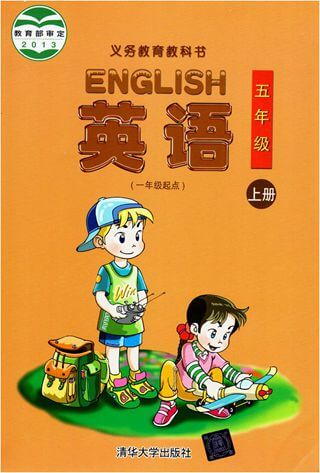
 切换教材
切换教材
UNIT 3 LITTLE ELLEN'S DIARY课文句子跟读音频
Little Ellen keeps a diary every day.
小埃伦每天都写日记。
She writes down what happens.
她写下发生了什么。
She writes down what she plans to do.
她写下她打算做什么。
Do you keep a diary?
你写日记吗?
If not, start today!
如果不写,那么就从今天开始写吧!
UNIT 3 LITTLE ELLEN'S DIARY
第三单元 小埃伦的日记
UNIT 3
第三单元
LESSON 15
第十五课
Listen to the text.
听课文。
Then read it aloud.
然后大声朗读。
In My Home
在家
Day: Monday Tom came to my home today.
星期:星期一汤姆今天来到了我家。
Tom wanted to play with my big red bus.
汤姆想玩我的红色大玩具汽车。
"Can I play with this big red bus?"
“我可以玩这个红色大玩具汽车吗?”
asked Tom.
汤姆问。
"No, you can't," I said.
“不,你不可以,”我说。
Tom put down my big red bus.
汤姆放下我的红色大玩具汽车。
He picked up my big black bus.
拿起了我的黑色大玩具汽车。
"Can I play with this big black bus?"
“我能玩你的黑色大玩具汽车吗?”
asked Tom.
汤姆问。
"No, you can't," I said.
“不,你不能,”我说。
I took my big black bus back from Tom.
我把我的黑色大玩具汽车从汤姆手里拿了回来。
He cried and went home.
他哭着回家了。
Mom came to my room.
妈妈来到我的房间。
She said that was not nice.
她说我那样做是不友好的。
I was very sad.
我非常伤心。
Tomorrow I will go to Tom and say I'm sorry to him.
明天我去和汤姆说对不起。
Answer the questions.
回答问题。
Who came to Ellen's home?
谁去了埃伦家?
What did Tom want to play with?
汤姆想玩什么?
Follow the directions.
按指令写一写。
Write the past tense of the verbs.
写出动词的过去式。
play
玩
want
想要
ask
问
pick
捡起
put
放
cry
哭,喊
Match the verbs with their past tense.
用相应的过去式配对动词。
come
来
said
说
say
说
went
去
take
拿,取
was
是
am
是
did
做
go
去
came
来
do
做
took
拿,取
Listen to the story.
听故事。
Then work in groups.
然后分组练习。
It's four o'clock in the afternoon.
现在是下午四点。
Ellen is in her classroom.
埃伦在教室里。
She can't find her picture book in her desk.
她找不到她书桌上的图画书了。
I put my picture book in my desk this morning.
我今天早上把图画书放到我的桌子上了。
Where is it?
现在在哪里?
I picked up a picture book from the floor.
我从地上捡起了一本图画书。
I gave it to our teacher.
我把它交给了老师。
UNIT 3
第三单元
LESSON 16
第十六课
Listen to the text.
听课文。
Then read it aloud.
然后大声朗读。
On the Playground
在操场上
Day: Tuesday It was nice today.
星期:星期二今天天气舒适宜人。
I went to the playground.
我去了操场。
Some children were playing on the swings.
一些孩子在荡秋千。
Jane was waiting for her turn.
简正在等着轮到她。
It was Jane's turn next, but I wanted to play first.
接下来轮到简,但我想先玩。
"It's my turn,"said Jane.
“轮到我了,”简说。
"No, it's not your turn,"I said.
“不,没轮到你,”我说。
I pushed Jane and she fell off the swing.
我推了一下简,她就从秋千上摔了下来。
I played on the swing first.
我先荡秋千。
Jane hurt her arm and cried.
简的手臂受伤了,并且哭了。
Some children helped her.
几个孩子过去帮她。
My teacher came up to me.
老师向我走了过来。
She said that was not nice.
她说我那样做一点都不友好。
I was very sad.
我非常伤心。
Tomorrow I will go to Jane and say I'm sorry to her.
明天我要去跟简说对不起。
Write T or F after each sentence.
在每句话后面写上T或F。
Ellen came to play with Jane on the playground.
埃伦和简在操场上玩。
Jane waited for her turn to play on the swing.
简等着轮到她荡秋千。
Jane cried because she wanted to play on the swing first.
简哭了,因为她想先玩秋千。
Listen, read and write.
听一听,读一读并写一写。
Tuesday
星期二
playground
操场
swing
秋千
push
推
hurt
受伤
turn
轮流
Write the past tense of the verbs on the lines.
在横线上写上动词的过去式。
go
去
is
是
have
有
fall
落下
cry
哭
are
是
push
推
help
帮助
Finish the sentences with the words from the word box.
用方框里的单词完成句子。
cried
哭
had
有
was
是
said
说
fell
落下
I was late for school this morning.
早上我上学迟到了。
I said I was sorry to my teacher.
我说我对老师感到很抱歉。
My friend Jane fell off the swing this afternoon.
今天下午我的朋友简从秋千上摔了下来。
She hurt her leg and cried.
她的腿受伤了,并且哭了。
Our English teacher was ill today.
我们的英语老师今天生病了。
We did not have our English class.
我们今天没有英语课。
We had a Chinese class.
我们有语文课。
UNIT 3
第三单元
LESSON 17
第十七课
Listen to the text.
听课文。
Then read it aloud.
然后大声朗读。
At the Zoo
在动物园
Day: Wednesday I went to the zoo with my friends today.
星期:星期三今天我和我的朋友去了动物园。
I saw a lot of animals there.
在那里我看见了很多动物。
First, we went to see the peacocks.
首先,我们去看了孔雀。
We fed them.
我们喂它们吃了东西。
One of the peacocks was happy.
其中一个孔雀很开心。
He opened his beautiful tail and danced for us.
它展开了美丽的尾巴并且为我们跳舞。
We all clapped our hands.
我们都鼓掌了。
Then we went to see the hippos.
然后我们去看了河马。
The hippo is a large animal.
河马是一种大型的动物。
It has a big mouth and big teeth.
它有一个大嘴巴和大牙齿。
It has a short tail and short legs.
它的尾巴和腿都很短。
Hippos like to stay in the water.
河马喜欢待在水里。
It was getting dark.
天越来越黑了。
We went home by bus.
我们乘公共汽车回了家。
We were tired, but we were very happy.
我们都很累,但是我们都很快乐。
Listen to the dialogue.
听对话。
Fill in the missing words.
填写缺失的单词。
Ellen, where did you go today?
埃伦,你今天去了哪里?
I went to the zoo with my friends
我和我的朋友们去了动物园。
What did you see there?
你去那里看了什么?
We saw peacocks and hippo.
我们去看了孔雀和河马。
Listen, read and write.
听一听,读一读并写一写。
Wednesday
星期三
zoo
动物园
hippo
河马
peacock
孔雀
feed
喂养
tired
累,疲倦
Write the past tense of the verbs on the lines.
在横线上写上动词的过去式。
open
打开,张开
clap
拍手,鼓掌
have
有
feed
喂养
dance
跳舞
can
能够
do
做
see
看见
Finish each sentence with is, are, was or were.
用is, are, was或were完成句子。
Fun Zoo in 1996
1996年的趣味动物园
Fun Zoo now
现在的趣味动物园
There was one hippo.
过去有一只河马。
There are two hippos.
现在有两只河马。
The trees were small.
树过去很矮。
The trees are big.
树现在很高。
There were three peacocks.
过去有三只孔雀。
There is one peacock.
现在有一只孔雀。
UNIT 3
第三单元
LESSON 18
第十八课
Listen to the text.
听课文。
Then read it aloud.
然后大声朗读。
At the Park
在公园里
Day: Thursday I went to the Children's Park with my friends today.
星期:星期四今天我和我的朋友去了儿童公园。
We planted trees there.
我们在那里种植了树。
First, we dug holes in the ground.
首先,我们在地上挖洞。
We put the small trees in the holes and covered up the holes with earth.
我们把小树放进洞里,然后用泥土盖住了这个洞。
We stamped on the earth.
我们用脚踩了踩泥土。
We watered the new trees.
我们给新树苗浇了水。
In the afternoon, it began to rain.
下午,开始下雨了。
There were a lot of puddles on the ground.
地上有很多的水坑。
We ran in the rain and played in the puddles.
我们在雨中奔跑,在水坑里玩。
I planted trees and had fun with my friends.
我植了树并且和朋友们玩得很开心。
I had a great day.
我度过了很美好的一天。
Listen, read and write.
听一听,读一读并写一写。
Thursday
星期四
dig
挖
ground
地面
afternoon
下午
puddle
水坑
hole
洞
Match the verbs with their past tense.
用相应的过去式配对动词。
water
浇水
plant
种植
dig
挖
put
放
run
跑
go
去
begin
开始
stamp
用脚踩踏
began
开始
stamped
用脚踩踏
went
去
dug
挖
put
放
ran
跑
planted
种植
watered
浇水
Finish the sentences with the words from the word box.
用方框里的单词完成句子。
throw
投,抛
cross
交叉,横过
play
玩
plant
种植
are
是
threw
投,抛
crossed
交叉,横过
played
玩
planted
种植
were
是
King Park in 1998
1998年的国王公园
King Park now
现在的国王公园
People crossed the lake by boats.
人们过去乘小船渡湖。
People cross the lake by ship.
人们现在乘船度湖。
People threw trash on the ground.
人们过去把垃圾扔在地上。
People throw trash into the trashcan.
人们现在把垃圾扔进垃圾桶。
Children played in the puddles.
孩子们过去在水坑里玩。
Children play on the playground.
孩子们现在在操场上玩。
People planted trees.
人们过去种树。
People plant flowers.
人们现在种花。
The trees were short.
树过去很矮。
The trees are tall.
树现在很高。
UNIT 3
第三单元
LESSON 19
第十九课
Listen to the text.
听课文。
Then read it aloud.
然后大声朗读。
A Bike Ride
骑车
Day: Friday It was a sunny autumn day.
星期:星期五这是一个晴朗的秋日。
My cousin Jimmy and I rode our bikes to the countryside.
我的表弟吉米和我骑自行车去乡下。
Jimmy and I were happy.
吉米和我很高兴。
We rode fast.
我们骑得很快。
I wanted to ride faster.
我想骑得更快。
Suddenly my bike hit a rock and I fell off my bike.
突然我的自行车撞到了一块石头,我从自行车上摔了下来。
I hurt my leg.
我的腿受伤了。
Jimmy took me to the doctor.
吉米带我去看了医生。
The doctor helped me with my leg.
医生医治了我的腿。
Then he said to us,"Don't ride your bike too fast.
然后,他对我们说,“骑自行车不要太快了。
It's dangerous."
那很危险。”
"OK.Thank you, doctor," said Jimmy and I.
“好的。谢谢你,医生,”吉米和我说道。
Jimmy took me home.
吉米带我回了家。
He is a good cousin.
他是一个很好的表弟。
I will not ride my bike too fast any more.
我再也不会骑自行车骑很快了。
Answer the questions.
回答问题。
How did Jimmy and Ellen go to the countryside?
吉米和埃伦是怎样去乡下的?
Who fell off the bike and got hurt?
谁从自行车摔下来并且受伤了?
Listen, read and write.
听一听,读一读并写一写。
Friday
星期五
cousin
表弟
suddenly
突然地
hit
撞上
rock
石头,石块
dangerous
危险的
Match each sentence to the correct picture.
给每个句子匹配正确的图片。
We took a bus to Tian'anmen Square this morning.
今天早上我们乘坐公共汽车去天安门广场。
The girl fell to the ground.
女孩摔倒在地上了。
The car hit a big tree, and the man hurt his head.
汽车撞到了一棵大树,那个男人的头受伤了。
My father cleaned his car this afternoon.
我的父亲今天下午洗了车。
Learn the proverb.
学谚语。
Then translate it into Chinese.
然后翻译成中文。
A friend in need is a friend indeed.
患难见真情。
UNIT 3
第三单元
LESSON 20
第二十课
Listen to the text.
听课文。
Then read it aloud.
然后大声朗读。
Fun with Autumn Leaves
秋叶的乐趣
Day: Saturday It was a nice autumn day.
星期:星期六这是一个舒适宜人的秋日。
I went to play in the park with my friends.
我和我的朋友去公园里玩。
There were a lot of colorful leaves on the ground.
地上有很多五颜六色的树叶。
They were red, orange, yellow, green and brown.
有红色的,橙色的,黄色的,绿色的和棕色的。
We made them into a big pile and jumped into it.
我们把树叶弄成了一大堆然后跳了进去。
Jimmy picked up some leaves.
吉米捡起了一些树叶。
He threw them into the air.
他把树叶扔到空中。
The leaves fell on our heads.
树叶落在我们头上。
We shouted, jumped and laughed.
我们又喊又跳又笑。
Then we took out a piece of paper.
然后我们拿出了一张纸。
We put some leaves on it.
我们把一些树叶放在了纸上。
We made a beautiful picture.
我们做成了一副漂亮的图画。
It will be Sunday tomorrow.
明天是星期天。
I will stay at home and do my homework.
我将待在家里做家庭作业。
Finish the sentences with words from the text.
用课文中的单词完成句子。
Ellen and her friends went to play in the park.
埃伦和她的朋友去了公园里玩。
There were a lot of colorful leaves on the ground.
地面上有很多五颜六色的树叶。
They made the leaves into a pile.
他们把树叶堆成一堆。
They jumped into the pile.
他们跳进了这个树叶堆。
Then they made a beautiful picture with the colorful leaves on a piece of paper.
然后他们在一张纸上用色彩斑斓的树叶做成了一副美丽的图画。
Listen, read and write.
听一听,读一读并写一写。
Saturday
星期六
colorful
多彩的
pile
堆,大量
laugh
笑
shout
喊
picture
图片
Write the past tense of the verbs on the lines.
在横线上写上动词的过去式。
jump
跳
pick
捡起
put
放
go
去
laugh
笑
throw
扔
fall
落下
take
拿
Look at the picture.
看图片。
Read the sentences.
读句子。
Tick the sentence that tells about the picture.
勾出表达该图片的句子。
George made a little man.
乔治制作了一个小男人。
The little man ran away.
小男人逃跑了。
The little man jumped up.
小男人跳起来了。
The children cut the paper into small pieces.
孩子把纸切成了小片。
They threw them into the air.
他们把纸片扔到了空中。
They threw them into the trashcan.
他们把纸片扔进了垃圾桶。
I walked to school this morning.
今天早上我步行去学校。
My mother rode a bike to work.
我妈妈骑车去上班。
My father rode the bus to work.
我爸爸乘公共汽车去上班。
UNIT 3
第三单元
LESSON 21
第二十一课
Look at the schedule.
看看时间表。
Then write what Ellen did last week.
然后写下埃伦上周所做的事。
The first one is done for you.
第一个已经为你写出。
Sunday
星期天
go to the park
去公园
Monday
星期一
go to see a film
去看电影
Tuesday
星期二
go to the beach
去海滩
Wednesday
星期三
go to the hospital for a check-up
去医院做检查
Thursday
星期四
go to see her grandma and grandpa
去看爷爷奶奶
Friday
星期五
help mom clean the house
帮助妈妈打扫房间
Saturday
星期六
go to the bookstore
去书店
Ellen went to the park on Sunday.
埃伦星期天去了公园。
Let's sing!
让我们唱一唱!
There are seven days.
歌词大意: 有七天。
There are seven days.
有七天。
There are seven days in a week.
一周有七天。
Sunday, Monday, Tuesday, Wednesday, Thursday, Friday, Saturday.
星期天,星期一,星期二,星期三,星期四,星期五,星期六。
Sun
星期天
Mon
星期一
Tues
星期二
Wed
星期三
Thurs
星期四
Fri
星期五
Sat
星期六
Work out the riddle.
解出谜题。
Write the answer on the line.
把答案写在横线上。
I'm tall.
我很高。
I have green leaves in spring.
我在春天有绿叶。
My leaves turn brown in autumn and fall to the ground.
秋天我的树叶会变黄,落在地上。
I'm a tree.
我是一棵树。
I'm a place in the city.
我是城市的一个地方。
I'm big and clean.
我又大又干净。
I have a lot of green grass and trees.
我有很多绿草和树木。
Many people come to me on Saturday and Sunday.
很多人都在星期六和星期天来找我。
Children like to play in me.
孩子们喜欢在我这里玩。
I'm a park.
我是公园。
I'm water.
我是水。
I fall from the clouds in the sky.
我从天上的云中落下。
I can make puddles on the ground.
我可以在地面上做水坑。
I can water the grass and trees in the fields.
我可以给田地里的草和树浇水。
People use umbrellas when I fall.
当我落下的时候,人们会使用雨伞。
I'm rain.
我是雨。
Write a riddle for each picture.
为每副图片写一个谜语。
清华大学版五年级上册英语UNIT 3 LITTLE ELLEN'S DIARY单词跟读音频
单词跟读cousin
Monday
Tuesday
Wednesday
Thursday
Friday
Saturday
next
any
more
throat
science
evening
soon
building
film
toothache
castle
rooster
shell
restaurant
move
tomorrow
arm
puppet
place
starfish
science
busy
crow

 已安全检测
已安全检测