
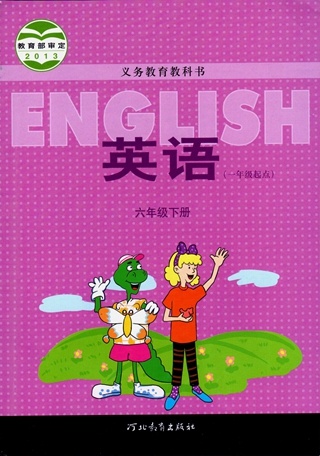

首页 / 六年级下册 /冀教版一起 /Unit 2 Tell Me a Story

2026冀教版一起六年级下册英语 Unit 2 Tell Me a Story 课文听力音频与中英双语对照

版本: 冀教版一起
年级: 六年级下册
出版社: 河北教育出版社
切换教材
详尽梳理冀教版一起六年级下册英语《Unit 2 Tell Me a Story》(冀教一起六下)叙事阅读体系,聚焦过去时态在故事语境中的综合运用。重点操练 catch up with 短语与 road、lake 等地理名词搭配,指导学生通过动词变化理清故事发展脉络。

冀教版一起六年级下册英语 Unit 2 Tell Me a Story 课文句子跟读音频

连续播放
下载音频
  • Unit 2 Lessons 7~12 Tell Me a Story

    第二单元 第七至十二课 告诉我个故事

  • Lesson 7 Jenny Tells a Story

    第七课 珍妮讲一个故事

  • Tell a story

    讲个故事

  • Li Ming and Danny are on a trip with Jenny's family.

    李明和丹尼跟珍妮的家人一起去旅行。

  • It's a long trip.

    这是一次长途旅程。

  • They want to have fun.

    他们想玩的开心点。

  • I don't like long trips in the car.

    我不喜欢在小车里长途旅行。

  • We need to do something fun.

    我们需要做些有趣的事情。

  • What can we do?

    我们可以做什么?

  • Why don't you tell a story, Jenny?

    珍妮,你为什么不讲个故事?

  • Yes!

    是的!

  • Tell us a story, Jenny!

    珍妮,跟我们说个故事!

  • Tell them The Tortoise and the Rabbit.

    告诉他们乌龟和兔子的故事。

  • I know that story!

    我知道那个故事!

  • It's a good one!

    那是个很好的故事!

  • Yes!

    是的!

  • It's a famous story!

    这是个著名的故事!

  • What's the story about?

    故事是关于什么的?

  • It's about a race between a tortoise and a rabbit.

    它是关于一个乌龟和兔子之间的赛跑的故事。

  • Oh, I love races.

    哦,我喜欢赛跑。

  • I won a race two year ago.

    在两年前我赢了一场赛跑。

  • Let's sing!

    我们一起来唱一唱吧!

  • Look over there!

    看看那边!

  • That's a pretty tree.

    那是漂亮的树。

  • I see a chicken.

    我看见一只小鸡。

  • See it standing there?

    看见它站在那里吗?

  • I see a farm!

    我看见一个农场!

  • Where?

    哪里?

  • Where?

    哪里?

  • Where?

    哪里?

  • Look out the window.

    看看窗外。

  • A girl and a kite.

    一个女孩和一只风筝。

  • Yes, I can see it.

    是的,我看见了。

  • The kite is white!

    那个风筝是白色的!

  • We drive in the car.

    歌词大意:我们在车里。

  • Let's have fun.

    让我们一起来找点乐趣吧。

  • Look out the window.

    望着窗外。

  • See the yellow sun.

    看黄色的太阳。

  • Tell me a story.

    告诉我个故事。

  • What do you see?

    你看见什么?

  • Lesson 8 The Tortoise and the Rabbit

    第八课 乌龟和兔子

  • A race

    一场赛跑

  • One day, a tortoise walked down the road.

    有一天,一只乌龟在路上走着。

  • He walked very slowly.

    它走得很慢。

  • A rabbit saw him and laughed.

    一只兔子看见乌龟并嘲笑它。

  • "You are so slow!"

    “你太慢了!”

  • "You are wrong," said the tortoise.

    “你错了,”乌龟说。

  • "I'm not slow, but I don't like to hurry."

    “我不是慢,但是我不喜欢太匆忙。”

  • "I'm not wrong!"

    “我没有错!”

  • said the rabbit.

    兔子说。

  • "Let's have a race!

    “让我们来场赛跑吧!

  • I'm sure to win."

    我确信我会赢。”

  • "Okay," said the tortoise.

    “可以,”乌龟说。

  • "Let's have a race to the lake."

    “我们来场赛跑,跑到湖那边。”

  • "I'm going to win!"

    “我会赢的!”

  • said the rabbit, and he ran down the road.

    兔子说,它沿着路跑下去了。

  • The rabbit ran and ran.

    兔子跑啊跑。

  • Soon he felt tired and stopped.

    一会它感到累了并停下来。

  • "I would like to sleep," thought the rabbit.

    “我想睡个觉,”兔子想。

  • "The tortoise is so slow.

    “乌龟这么慢。

  • He can't catch up with me."

    它不会赶上我的。”

  • So the rabbit went to sleep under a tree.

    因此兔子在一棵树下睡起觉来了。

  • What happened next?

    接下来发生了什么事情呢?

  • The tortoise walked and walked.

    乌龟爬啊爬。

  • On his way, he saw the rabbit sleeping under the tree.

    在路上,它看见兔子正在树下睡觉。

  • He was tired, but he didn't stop.

    它很累,但是它没有停下来。

  • He kept walking down the road.

    它一直沿着路爬。

  • After many hours, the rabbit opened his eyes.

    几个小时后,兔子睁开它的眼睛。

  • He jumped up.

    它跳起来。

  • "Oh no!"

    “哦,不!”

  • he thought.

    它想。

  • "I slept too long!"

    “我睡了太长时间了!”

  • He ran down the road to the lake.

    它一路跑到湖边。

  • Soon he saw the lake.

    一会它看见了湖。

  • "I'm sure to win!"

    “我确信我会赢!”

  • he thought.

    它想。

  • Then he saw the tortoise.

    然后它看见了乌龟。

  • The tortoise was already there.

    乌龟已经爬到那里了。

  • The tortoise smiled and said, "I won the race!"

    乌龟笑了笑说,“我赢了赛跑!”

  • The rabbit learned a lesson: Slow and steady wins the race.

    兔子吸取了一个教训:稳扎稳打赢赛跑。

  • Let's do it!

    我们一起来做一做吧!

  • Retell the story.

    复述故事

  • One day, a tortoise walked down the road.

    有一天,一只乌龟在路上走着。

  • He walked very slowly.

    它走得很慢。

  • A rabbit saw him and said, "Ha!

    一只兔子看见乌龟并说,“哈!

  • You are so slow!"

    你太慢了!”

  • The tortoise said, "No, I'm not.

    乌龟说,“不,我不慢。

  • I don't like to hurry."

    我不喜欢太匆忙。”

  • So the rabbit said, "Let's have a race to the lake."

    所以兔子说,“我们来场赛跑,跑到湖边那。”

  • The rabbit ran fast, but soon he felt tired and stopped.

    兔子跑得很快,但是一会它觉得很累了并停下来。

  • The tortoise walked slowly, but he didn't stop.

    乌龟爬得很慢,但是它没有停下来。

  • In the end, the tortoise won the race.

    最后,乌龟赢了赛跑。

  • The rabbit learned a lesson: Slow and steady wins the race.

    兔子吸取了教训:稳扎稳打赢赛跑。

  • Lesson 9 Danny Tells a Story

    第九课 丹尼讲个故事

  • What's the story about?

    故事是关于什么的?

  • It's your turn to tell a story, Danny!

    丹尼,轮到你讲故事了。

  • Okay!

    好的!

  • I know a good story.

    我知道一个很好的故事。

  • It's about a dog, a big bone and a lake!

    故事是关于一只狗、一块大骨头和一个湖!

  • One day, a dog found a big, heavy bone in a city park.

    有一天,一只狗在一个城市公园里找到一块很大很重的骨头。

  • It was hard to carry, but the dog didn't want any help.

    要搬动这块骨头有点困难。但是那只狗不想要任何的帮助。

  • Why?

    为什么?

  • Because he didn't want his friends to eat any of the bone.

    因为它不想它的朋友吃到任何的骨头。

  • "I will carry it to the forest," he thought.

    “我会把骨头搬去森林,”它想。

  • "My friends can't find me there."

    “我的朋友不会在那里找到我。”

  • So he carried the heavy bone in his mouth and walked slowly to the forest.

    所以它用它的嘴巴叼着骨头慢慢走向森林。

  • He carried the bone down a road.

    它一路叼着骨头。

  • He carried it around a mountain.

    它叼着骨头走了整个山。

  • What happened next?

    接下来发生了什么事情呢?

  • Soon he saw a big lake.

    不久它看见一个很大的湖。

  • He looked in the water and saw another dog.

    它看见水里的另外一只狗。

  • That dog also had a bone.

    那只狗也有一块骨头。

  • "That bone is bigger than my bone," thought the dog.

    “那块骨头比我的骨头大,”狗想了一下。

  • "I want my bone and that bone, too."

    “我要我的骨头也要那块骨头。”

  • He looked at the dog in the water, and the dog in the water looked at him.

    它看着水里的那只狗,水里的那只狗也看着它。

  • "Give me your bone!"

    “给我你的骨头!”

  • he barked at the dog in the water.

    它向湖里的狗叫着。

  • When he barked, his bone fell into the lake.

    当它叫的时候,它的骨头掉进湖里了。

  • Now the dog didn't have any bones.

    现在这只狗没有骨头了。

  • Did he learn a lesson?

    它吸取了教训吗?

  • Yes!

    是的!

  • Be happy with the bone you have.

    满足你所拥有的骨头。

  • Let's do it!

    我们一起来做一做吧!

  • Number these sentenses in the correct order.

    按顺序排列句子。

  • He wanted to carry the bone to the forest.

    它想叼着骨头去森林。

  • A dog found a bone.

    一只狗找到一块骨头。

  • The dog stopped at a lake.

    狗在湖边停下来。

  • He saw a dog with a bone in the water.

    他看见水里的一只狗叼着一块骨头。

  • He barked at the dog and lost his bone.

    他朝着狗叫,而且还丢了他的骨头。

  • bark

    犬吠声

  • Lesson 10 Li Ming Tells a Story

    第十课 李明讲个故事

  • A farmer and a rabbit

    一个农民和一只兔子

  • Do you know any famous Chinese stories, Li Ming?

    你知道中国一些著名的故事吗,李明?

  • Yes!

    知道!

  • I know many Chinese stories.

    我知道很多中国的故事。

  • Would you like to hear one?

    你想听一个吗?

  • Yes!

    是的!

  • Yes!

    是的!

  • Tell us a story!

    给我们讲一个故事!

  • Okay!

    好的!

  • I'm going to tell the story of a farmer and a rabbit.

    我会讲个故事是关于一个农民和一只兔子的。

  • Long long ago, there was a farmer.

    很久很久以前,有一个农民。

  • He worked hard all the time.

    他总是很勤奋干活。

  • One day, as he was working, a rabbit came out of the grass.

    有一天,当他正在干活的时候,一只兔子从草丛里跑出来。

  • The rabbit saw the farmer and it was scared.

    兔子看见农民它很害怕。

  • It started to run.

    它开始跑。

  • It ran very fast and hit its head on a tree.

    它跑得很快最后一头撞在一棵树上。

  • The rabbit died.

    兔子死了。

  • The farmer took the rabbit home.

    农民把兔子带回家。

  • He enjoyed a wonderful dinner.

    他享受了一顿美味的晚餐。

  • From then on, he stopped working.

    从那时开始,他不再干活了。

  • Every day, he sat under the tree and waited for another rabbit.

    每天,他坐在树下等待另一只兔子。

  • He waited and waited, but no rabbits came.

    他等啊等,但是没有兔子来了。

  • And all his crops died.

    而且他的庄稼也都死了。

  • Famous Chinese stories

    著名的中国故事

  • That's a very good story, Li Ming.

    那是个很好的故事,李明。

  • Can you tell us another one, please?

    你可以给我们讲讲另外一个故事吗?

  • Do you know the story about an old man and a wolf?

    你知道一个关于一个老人和一只狼的故事吗?

  • Let's see.

    我们一起来看看吧。

  • There was an old man.

    有个老人。

  • He saw a wolf in the forest.

    他看见一只狼在森林里。

  • Then he killed the wolf.

    然后他杀了那只狼。

  • Finally ...

    最后……

  • Danny, stop.

    丹尼,停。

  • Let's listen to Li Ming.

    让我们听听李明讲吧。

  • Let's talk!

    我们一起来说说吧!

  • Group work.

    小组作业。

  • Talk about famous Chinese stories.

    谈论一下著名的中国故事。

  • How many stories can you tell?

    你可以讲几个故事?

  • The Old Man and His Horses

    塞翁失马

  • Mr. Fool Tries to Move the Mountain

    愚公移山

  • Kong Rong and the Pear

    孔融让梨

  • Cao Chong Weighs an Elephant

    曹冲称象

  • The Story of Nan Guo

    南郭先生

  • The Story of Sima Guang

    司马光砸缸

  • Lesson 11 An Old Man and a Wolf

    第十一课 一个老人和一只狼

  • A kind and clever old man

    一个善良聪明的老人

  • One day, an old man was walking down a road.

    有一天,一位老人在路上走着。

  • A wolf ran up to him.

    一只狼跟在他的后面。

  • "Please hide me," cried the wolf.

    “请把我藏起来,”狼叫喊着。

  • "Some people are running after me.

    “一些人正在追赶我。

  • They want to kill me."

    他们想要杀我。”

  • The old man was very kind.

    老人很善良。

  • He opened his bag and let the wolf in.

    他打开他的袋子并让狼钻进去。

  • "Keep quiet," said the old man.

    “保持安静,”老人说。

  • "You are safe here."

    “在这里你很安全。”

  • Soon, some farmers came running over.

    不久之后,一些农民匆匆赶来了。

  • They asked the old man, "Did you see a wolf?

    他们问老人。“你看见一只狼吗?

  • We have to kill it.

    我们必须杀了它。

  • It ate our sheep and pigs."

    它吃了我们的羊和猪。”

  • The old man said, "No, I didn't see it."

    老人说,“没有,我没看见它。”

  • And so, the farmers left to go on looking for the wolf.

    因此,农民离开去寻找狼了。

  • The old man opened the bag.

    老人打开袋子。

  • The wolf jumped out and said, "Now I am safe.

    狼跳出袋子并说,“现在我安全了。

  • I will eat you."

    我会吃了你。”

  • "But I just saved you, didn't I?"

    “但是我刚刚救了你,是吧?”

  • asked the old man.

    老人说。

  • "What are you talking about?"

    “你在说什么?”

  • cried the wolf.

    狼叫喊着。

  • "I couldn't breathe in your bag!"

    “我在你的袋子里我都不能呼吸了!”

  • "Really?"

    “真的?”

  • the old man said, "I didn't see that!

    老人说,“我不知道!

  • Please show me again!"

    请再示范一次给我看!”

  • "Okay," said the wolf, and he jumped into the bag again.

    “好的,”狼说,并且它又跳进袋子里。

  • The old man quickly closed the bag and went to look for the farmers.

    老人迅速绑住袋子并且去寻找农民。

  • Let's do it!

    我们一起来做一做吧!

  • Think and talk.

    想一想并讨论一下。

  • What do you think of the old man?

    你觉得老人怎么样?

  • What do you learn from the story?

    从故事里你学习到什么?

  • Lesson 12 The Three Bears

    第十二课 三只熊

  • Story time

    故事时间

  • Father Bear, Mother Bear and Baby Bear are a happy family.

    熊爸爸、熊妈妈和熊宝宝是幸福的一家。

  • One day, the Bear family goes for a walk before dinner.

    有一天,小熊一家吃晚饭前出去散步。

  • While the bears are away, a small girl comes along.

    当熊离开,一个小女孩独自来到这里。

  • Her name is Goldilocks.

    她的名字是金发女孩。

  • She goes into the bears' house.

    她走进熊的房子。

  • She sees some porridge on the table.

    她看见桌子上有一些粥。

  • She tastes Father Bear's porridge.

    她尝了下熊爸爸的粥。

  • It's too hot.

    熊爸爸的粥太烫了。

  • She tastes Mother Bear's porridge.

    她尝了下熊妈妈的粥。

  • It's too cold.

    熊妈妈的粥太冷了。

  • She tastes Baby Bear's porridge.

    她尝了下熊宝宝的粥。

  • It's just right.

    熊宝宝的粥刚好。

  • And she eats it all up.

    并且她把它吃完了。

  • Next, she sees three beds.

    然后她看见三张床。

  • She lies on Father Bear's bed and then on Mother Bear's bed.

    她躺在熊爸爸的床上然后又躺在熊妈妈的床上。

  • They're too big.

    它们都太大了。

  • Finally, she lies on Baby Bear's bed.

    最后她躺在熊宝宝的床上。

  • This bed is just right.

    熊宝宝的床刚刚好。

  • And she goes to sleep.

    然后她睡着了。

  • They are hungry.

    它们很饿。

  • They go to the table.

    它们走向桌子。

  • Father Bear and Mother Bear say, "Hey!

    熊爸爸和熊妈妈说,“嘿!

  • Someone ate my porridge."

    有人吃了我的粥。”

  • Baby Bear says, "Someone ate my porridge, and ate it all up."

    熊宝宝说,“有人吃了我的粥并且吃完了。”

  • The three bears come home.

    三只熊回到家里。

  • Then they go to bed.

    然后他们准备睡觉。

  • Father Bear and Mother Bear say, "Someone slept in my bed!"

    熊爸爸和熊妈妈说,“有人睡过我的床!”

  • Baby Bear says, "Someone is sleeping in my bed, and here she is!"

    熊宝宝说,“有人正睡在我的床上。她在这!”

  • Just then, Goldilocks wakes up.

    就在那时,金发女孩醒了。

  • She sees three bears looking at her.

    她看见三只熊正在看着她。

  • She runs out of the house.

    她跑出房子。

  • She runs and runs, far away.

    她跑啊跑,跑了很远。

  • The three bears never see her again.

    三只熊再没见过她了。

  • Goldilocks

    金发女孩

  • porridge

    粥

  • lie

    躺着

  • Think About It

    想想看

  • Read and draw smiling face or sad face.

    读一读并画一画笑脸或者悲伤的脸。

  • The Bear family goes for a walk after dinner.

    熊一家晚饭后去散步。

  • Goldilocks goes into the bears' house.

    金发女孩走进熊的房子。

  • Goldilocks lies on Father Bear's bed and goes to sleep.

    金发女孩睡在熊爸爸的床上并且睡着了。

  • Goldilocks sees the three bears and runs out of the house.

    金发女孩看见三只熊正在看着她并跑出了房子。

  • Unit 2 Review

    第二单元 复习

  • Listen and tick

    听一听并打钩

  • Read and write

    读一读并写一写

  • One day, a fox walked by a tree, and he was thirsty.

    有一天,一只狐狸走到一棵树旁,而且它很口渴。

  • Then he jumped and got the grapes. He tried some. But they were too sour.

    然后它跳起来摘了些葡萄。并尝试了些。但是葡萄太酸了。

  • At last, he walked away.

    最后它走了。

  • You can use these words.

    你可以使用这些单词。

  • thirsty

    口渴的,口干的

  • get the grapes

    摘了些葡萄

  • jump

    跳

  • walk away

    离开;走开

  • too sour

    (太酸)

  • try

    尝试

  • Read and draw smiling face or sad face

    读一读并画一画笑脸或者悲伤的脸

  • Making a mark on the boat

    刻舟求剑

  • Some people were crossing the river in a boat.

    一些人乘船过河。

  • One man in the boat had a beautiful sword.

    船上一个人有把美丽的剑。

  • He was cleaning it and showing it to everyone.

    他正在清洁他的剑并向大家展示。

  • Suddenly, the sword fell into the river.

    突然,剑掉进河里。

  • "Oh no!"

    “哦,不!”

  • said everyone.

    每个人都说。

  • "Your beautiful sword!

    “你美丽的剑!

  • Let's stop the boat to find it!"

    我们停下船找找剑吧!”

  • "Don't worry," said the man.

    “不用担心,”那个人说。

  • "I can wait.

    “我可以等。

  • I can find it easily."

    我可以很容易找到它。”

  • He made a mark on the boat with a small knife.

    他用一把小刀在船上做了个记号。

  • "There!

    “那里!

  • Now I know where my sword is," he said.

    现在我知道我的剑在哪里了,”他说。

  • Soon the boat crossed the river and the man stood up.

    一会船到了岸边而那个人站起来。

  • "Now I will find my sword," he said.

    “现在我会找到剑,”他说。

  • He looked for his sword under the mark, but it was not there.

    他在记号下找他的剑。但是剑不在那里。

  • "Where is my sword?"

    “我的剑在哪里?”

  • "Stupid man!"

    “笨蛋!”

  • the others laughed.

    其他人笑着说。

  • "Your sword is in the river!

    “你的剑在河里!

  • The boat moved, but your sword did not!"

    船在前行,但是你的剑没有!”

  • The man didn't like his sword.

    那个人不喜欢他的剑。

  • He stopped the boad to find his sword.

    他停下船去找他的剑。

  • The man didn't find his sword.

    那个人没有找到他的剑。

  • The sword didn't move with the boat.

    剑没有随着船移动。

  • Key words and sentences

    重要的单词和句子

  • Words:

    单词:

  • story

    故事

  • lake

    湖

  • farmer

    农民

  • clever

    聪明的

  • Sentences:

    句子:

  • What's the story about?

    故事是关于什么的?

  • It's your turn to tell a story.

    轮到你讲个故事了。

  • One day, a dog found a big, heavy bone in a city park.

    有一天,一只狗在一个城市公园里找到一块很大很重的骨头。

  • Do you know any famous Chinese stories?

    你知道一些著名的中国故事吗?

  • From then on, he stopped working.

    从那时开始,他不再干活了。

  • How am I doing?

    我做的怎么样?

  • Listening

    听力

  • Speaking

    口语

  • Reading

    阅读

  • Writing

    写作

  • Total stars

    星星的总数

  • At school

    在学校

  • At home

    在家

  • I am ...

    我是……

  • A 10-12 stars

    A等级 10至12颗星星

  • B 7-9 stars

    B等级 7至9颗星星

  • C 1-6 stars

    C等级 1至6颗星星

冀教版一起六年级下册英语Unit 2 Tell Me a Story单词跟读音频

单词跟读

story

tortoise

race

road

slowly

said

hurry

lake

ran

felt

Russia

shake

swam

well

Freddie

happily

nature

air

uncle

threw

ship

meal

teamwork

fire

campfire

basket

aunt

amazing

were

cousin

知识点笔记

2026冀教版一起六年级下册英语 Unit 2 Tell Me a Story 课文听力(冀教一起六下)课文语法考点、听力问答与重点短语笔记

六下冀教一起Unit2叙事短语与动词搭配

  • 在《Unit 2 Tell Me a Story》中集中出现考点级动词短语:
  • catch up with 意为赶上、追上,后接宾语如 catch up with the rabbit
  • hurry up 意为快点、赶快,常用于口语催促
  • take a rest 意为休息一下,兔子中途休息的情节短语

一般过去时在故事语篇中的考点归纳

  • 英文故事通常以一般过去时为基础时态叙述,考点梳理:
  • 不规则动词原形与过去式对应:say 变为 said、run 变为 ran、feel 变为 felt、think 变为 thought、sleep 变为 slept。做完形填空和阅读理解时需敏锐识别时态标志。

祈使句结构与故事转述句型分析

单元标题 Tell Me a Story 为经典祈使句型:动词原形 tell 开头,接双宾语结构 tell sb sth(告诉某人某事),间接宾语 me 放于直接宾语 a story 之前。