
首页 / 五年级上册 /鲁科版五四制 /Unit 6 Spring Festival

2026鲁科版五四制五年级上册英语 Unit 6 Spring Festival 课文听力音频与中英双语对照

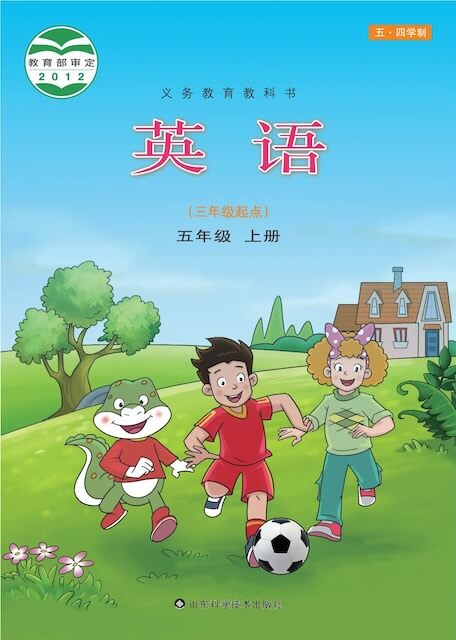
版本: 鲁科版五四制
年级: 五年级上册
出版社: 山东科学技术出版社
切换教材
系统整理鲁科版五四制五年级上册英语《Unit 6 Spring Festival》课文朗读音频与中英对照原文。结合鲁科五四五上单元重点,精准解析 "My grandparents came to my home." 与 "Oh, it's Chinese New Year." 等重点句子,梳理春节民俗短语与不规则动词过去式,切实增强语篇听读感知。

鲁科版五四制五年级上册英语 Unit 6 Spring Festival 课文句子跟读音频

连续播放
下载音频
  • UNIT 6 Spring Festival

    第六单元 春节

  • Did you visit your grandparents last Spring Festival?

    去年春节你们去看望你的爷爷奶奶了吗?

  • No, we didn't.

    没有,我们没有去,

  • My grandparents came to my home.

    我的爷爷奶奶来我们家了。

  • Happy Spring Festival!

    新春快乐!

  • Happy Spring Festival!

    新春快乐!

  • Unit 6

    第六单元

  • Lesson 1 We visit our relatives and friends

    第一课 我们走亲访友

  • Listen and say

    听一听,说一说

  • The Spring Festival is coming.

    春节将要到来。

  • Oh, it's Chinese New Year.

    噢,是中国的新年。

  • But when is it?

    但是是什么时候呢?

  • It's usually in February.

    通常是在二月。

  • Sometimes it's in January.

    有时是在一月。

  • What do you usually do at the Spring Festival?

    春节的时候你们通常做些什么?

  • Before Spring Festival, we clean our home.

    春节前,我们会打扫我们的房子。

  • We buy flowers and new clothes.

    我们会买花还有新衣服。

  • On the first day of Spring Festival, the family get together.

    春节的第一天,一家人聚在一起。

  • We wear new clothes.

    我们会穿上新的衣服。

  • We visit our relatives and friends.

    我们还会走亲访友。

  • We usually eat jiaozi.

    我们通常吃饺子。

  • We set off fireworks.

    我们还会放烟花爆竹。

  • That's interesting.

    很有趣。

  • We'll visit my grandparents this year.

    我们今年将会去看望我的爷爷奶奶。

  • Would you like to come with us, Jenny?

    你愿意和我们一起去吗,珍妮?

  • I'd love to.

    我愿意。

  • Thank you!

    谢谢!

  • Unit 6

    第六单元

  • Let's talk

    来谈一谈吧

  • What do you usually do at the Spring Festival?

    春节的时候你们通常做些什么?

  • We visit our relatives and friends.

    我们走亲访友。

  • Let's do

    来做一做吧

  • Name

    名字

  • Activity

    活动

  • Wang Hong

    王红

  • eat jiaozi

    吃饺子

  • visit our relatives

    走亲戚

  • wear new clothes

    穿新衣服

  • set off fireworks

    放烟花爆竹

  • buy flowers

    买花

  • clean the home

    清扫房子

  • What do you usually do at the Spring Festival?

    春节的时候你通常做些什么?

  • I wear new clothes.

    我经常穿新衣服,

  • I buy flowers.

    还会买花。

  • I ...

    我……

  • Wang Hong wears new clothes and buys flowers.

    王红穿新衣服还买花。

  • I ...

    我……

  • Unit 6

    第六单元

  • Lesson 2 Did you have a big dinner?

    第二课 你们吃了团圆饭吗?

  • Listen and say

    听一听,说一说

  • I had a good time last Spring Festival.

    去年春节我过的很愉快。

  • Did you go to your grandparents' house?

    你们去了你的爷爷奶奶家吗?

  • No, we didn't.

    没有,我们没有去。

  • My grandparents came to my home.

    我的爷爷奶奶来我们家了。

  • Did you have a big dinner?

    你们吃了团圆饭吗?

  • Yes, we did.

    是的,我们吃了。

  • Did you eat at home?

    你们是在家里吃的吗?

  • No, we didn't.

    不,

  • We ate out.

    我们是在外面吃的。

  • Did you set off fireworks?

    你们放烟花爆竹了吗?

  • Yes, we did.

    是的,我们放了。

  • It was fun.

    很好玩。

  • Then we watched TV at home.

    然后我们在家里看电视。

  • This year, we'll go to my grandparents' house in the country.

    今年,我们将去住在乡村的爷爷奶奶家。

  • That will be wonderful!

    真是棒极了!

  • Unit 6

    第六单元

  • Let's talk

    来谈一谈吧

  • Last Spring Festival

    去年春节

  • Did you visit your relatives?

    你们走亲戚了吗?

  • Yes, we did.

    是的,我们走亲戚了。

  • Did you travel?

    你们去旅行了吗?

  • No, we didn't.

    不,我们没有去旅行。

  • Let's do

    来做一做吧

  • I travelled to Shanghai last Spring Festival.

    我去年春节去上海旅行了。

  • Did you travel?

    你去旅行了吗?

  • No, I didn't.

    不,我没有。

  • We went to my grandparents' house.

    我们去了我的爷爷奶奶家。

  • Did you ...?

    你……?

  • Unit 6

    第六单元

  • Lesson 3 They will say "Happy Spring Festival!"

    第三课 他们将会说“新春快乐!”

  • Let's read

    来读一读吧

  • Jenny and Danny are in the country.

    珍妮和丹尼是在乡下。

  • They will have the Spring Festival with Li Ming's family.

    他们将和李明一家人一起过春节。

  • They are very excited.

    他们非常兴奋。

  • "Shall we get presents?" asks Jenny.

    “我们会收到礼物吗?”珍妮问。

  • "Sure.

    “当然。

  • And we'll get lucky money, too," says Danny.

    我们还会收到压岁钱。”丹尼说。

  • On the eve of the Chinese New Year, they will eat jiaozi with the family.

    在除夕夜,他们将会和李明一家人一起吃饺子。

  • Then they will set off fireworks.

    然后他们会放烟花爆竹。

  • It's the time to welcome the new year.

    接着就该迎接新年的到来了。

  • Early the next morning, Jenny and Danny will wear their new clothes.

    第二天一大清早,珍妮和丹尼将会穿上新衣服。

  • They will go with Li Ming to visit his relatives.

    他们会和李明一起去走亲戚。

  • They will say "Happy Spring Festival!"

    他们将会说“新春快乐!”

  • Unit 6

    第六单元

  • Let's discuss

    来讨论一下吧

  • Why are Jenny and Danny excited?

    为什么珍妮和丹尼很兴奋?

  • What will they do to welcome the new year?

    他们将会做些什么来迎接新年的到来?

  • What will they do early the next morning?

    第二天一大清早他们将会做些什么?

  • Why are Jenny and Danny excited?

    为什么珍妮和丹尼很兴奋?

  • Let's write

    来写一写吧

  • eat

    吃

  • set off

    使……爆炸

  • get

    得到

  • wear

    穿

  • say

    说

  • Hi, Lucy.

    你好,露西。

  • I'm in the country with Li Ming's family.

    我和李明一家人在乡下。

  • We'll eat jiaozi on the eve of the Chinese New Year.

    在除夕夜我们会吃饺子。

  • And then we'll set off fireworks.

    然后我们会放烟花爆竹。

  • Early the next morning, we'll wear new clothes.

    第二天一大清早,我们会穿上新衣服。

  • And we'll say "Happy Spring Festival" to relatives and friends.

    我们还会向亲朋好友说“新春快乐”。

  • We'll get lucky money.

    我们将会收到压岁钱。

  • How interesting!

    真有趣啊!

  • Have a good time!

    祝你玩得开心!

  • Unit 6

    第六单元

  • Lesson 4 Again, please

    第四课 请再来一遍吧

  • Let's listen

    来听一听吧

  • Listen and tick (✓)

    听一听并勾一勾

  • Talk about the above pictures

    谈谈上面的图片吧

  • She will have the Spring Festival in the country.

    她将在乡村过春节。

  • Listen and repeat

    听一听,复述一下吧

  • th

  • three

    三

  • thank

    感谢

  • month

    月份

  • both

    两者都

  • th

  • this

    这个

  • there

    那里

  • weather

    天气

  • clothes

    衣服

  • ou

  • out

    在外面

  • about

    关于

  • mouth

    嘴巴

  • house

    房子

  • Unit 6

    第六单元

  • Let's read

    来读一读吧

  • Read and circle

    读一读并根据内容圈出正确的答案吧

  • I'm Mary.

    我是玛丽。

  • I live in London.

    我住在伦敦。

  • I often visit Chinatown.

    我经常会去中国城。

  • I like Chinese New Year.

    我喜欢中国的新年。

  • At that time, people there wear Chinese clothes.

    那时候,人们会穿上中国的衣服。

  • There is Beijing Opera, lion dances and dragon dances.

    还有京剧,舞狮子和舞龙。

  • Chinese food is delicious.

    中国食物很好吃。

  • Jiaozi and niangao are their favourites.

    饺子和年糕是他们的最爱。

  • Everything in Chinatown is fun.

    中国城的所有东西都很有趣。

  • Notes

    注释

  • Chinatown

    中国城

  • Beijing Opera

    京剧

  • dragon

    龙

  • delicious

    美味的

  • Fun time

    轻松一刻

  • Find and say

    找一找并说一说

  • I'm a "rabbit".

    我是一只“小兔子”,

  • What are you?

    你是什么?

  • rat

    老鼠

  • ox

    牛

  • tiger

    老虎

  • rabbit

    兔子

  • dragon

    龙

  • snake

    蛇

  • horse

    马

  • sheep

    羊

  • monkey

    猴子

  • rooster

    鸡

  • dog

    狗

  • pig

    猪

  • Unit 6

    第六单元

  • Try yourself

    自己试一试吧

  • Enjoy it

    来欣赏一下吧

  • Cat and Rat

    猫和老鼠

  • The Spring Festival was coming.

    春节就要来临了。

  • The animals in the forest wanted to have a party.

    森林里的动物们想要举办一个聚会。

  • Cat and Rat were very good friends.

    猫和老鼠是非常要好的朋友。

  • They wanted to go to the party together.

    他们想一起去参加聚会。

  • The night before the party, Cat said Rat,"Wake me up early in the morning, please."

    在聚会前一夜,猫对老鼠说,“第二天清早请叫醒我。”

  • "OK," said Rat.

    “好的,”老鼠回答说。

  • Then Cat went to bed.

    然后猫就去睡觉了。

  • The next morning, Rat got up early.

    第二天早上,老鼠很早就起床了。

  • But he didn't wake up Cat.

    但是他没有叫醒猫。

  • He went to the party himself.

    他自己去参加聚会了。

  • Rat ate and drank at the party.

    老鼠在聚会上大吃大喝。

  • He was very happy.

    他非常高兴。

  • But poor Cat missed the party.

    但是可怜的猫却错过了这次聚会。

  • Cat was very angry.

    猫非常生气。

  • Other animals were angry, too.

    其他动物们也很生气。

  • They didn't want to play with Rat.

    他们不想和老鼠一起玩。

  • Notes

    注释

  • rat

    老鼠

  • said

    说

  • wake up

    叫醒

  • miss

    错过

  • Unit 6

    第六单元

  • Check it

    检测一下

  • I know

    我知道

  • ask

    请求

  • wonderful

    精彩的

  • next

    接下来的

  • early

    早的

  • before

    在……之前

  • January

    一月

  • February

    二月

  • relative

    亲戚

  • country

    乡村

  • came

    (come的过去式)来

  • fun

    有趣的

  • the Spring Festival

    春节

  • set off

    使……爆炸

  • lucky money

    压岁钱

  • 14 I've got ______.

    14颗星星 我得到______颗星星。

  • I can

    我能

  • I can say the sentences:

    我能说这些句子:

  • What do you usually do at the Spring Festival?

    春节期间你通常会做些什么?

  • We visit relatives and friends.

    我们会走亲访友。

  • Did you have a big dinner?

    你们吃了一顿丰盛的晚餐吗?

  • Yes, we did.

    是的,我们吃了。

  • No, we didn't.

    不,我们没吃。

  • They will say "Happy Spring Festival!"

    他们将会说“新春快乐!”

  • I can do the following:

    我能做下列事情:

  • talk about the Spring Festival

    谈论春节

  • talk about what I did last Spring Festival

    谈论上一次春节我所做过的事情

  • I've got ______ and ______.

    我得到______星星和______红旗。

  • Learn to learn

    学会学习

  • Use the minidictionay to review

    使用小字典来复习

  • Topic: Sports

    主题: 运动

  • Topic: Feelings

    主题: 情绪

  • Topic: Birthday

    主题: 生日

  • Topic:

    主题:

  • basketball

    篮球

  • football

    足球

  • table tennis

    乒乓球

  • Topic:

    主题:

  • Topic:

    主题:

  • Topic:

    主题:

鲁科版五四制五年级上册英语Unit 6 Spring Festival单词跟读音频

单词跟读

February

January

before

relative

came

firework

house

wonderful

fun

country

their

join

pass

goal

easy

oops

try

club

basket

shoot

high

won

again

ball

match

get

win

got

animal

shot

知识点笔记

2026鲁科版五四制五年级上册英语 Unit 6 Spring Festival 课文听力课文语法考点、听力问答与重点短语笔记

节日文化听力原句与译文

  • 听力检测中重点关注节日时间与经历描述,在《Unit 6 Spring Festival》中考查原句如下:
  • 1. 时间询问:"When is it?"(它是什么时候呢?)
  • 2. 节日感知:"The Spring Festival is coming."(春节即将来临。)
  • 3. 文化释义:"It's Chinese New Year."(那就是中国新年。)
  • 4. 过去经历:"My grandparents came to my home."(我的祖父母来到了我家。)

一般过去时疑问句变形

  • 本课语法考查重点:
  • 1. 特殊疑问句由 "When is the festival" 询问具体节日时间;
  • 2. 一般疑问句 "Did you visit your friends?" 考查助动词 did 的用法,注意句中谓语动词 visit 必须使用原形;
  • 3. 答句中说明事实使用过去时,动词 come 的不规则过去式为 came。

传统民俗常考词与应试

听力常考词汇与搭配包括:Spring Festival(春节)、Chinese New Year(中国农历新年)、grandparents(祖父母)、last Spring Festival(去年春节)。听力测试时重点关注 did、last 与 came 等时间与时态线索词,准确定位答题关键。

鲁科版五四制五年级上册Unit 6 Spring Festival英语最新练习题