
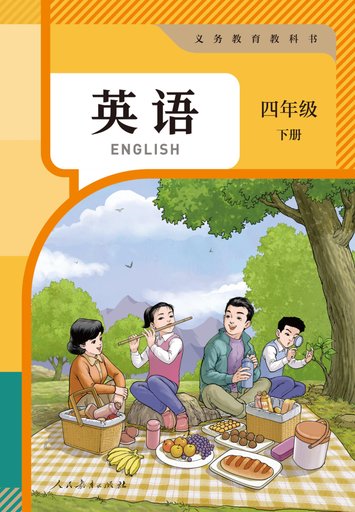

首页 / 四年级下册 /人教精通版 /Unit 1 Transport

2026人教精通版四年级下册英语 Unit 1 Welcome to my new home! 课文听力音频与中英双语对照

版本: 人教精通版
年级: 四年级下册
出版社: 人民教育出版社
切换教材
教习网人教精通四下英语听力板块上线《Unit 1 Transport》,收录真实课文原句 "My home is near our school."(我家离我们学校很近。),包含 car(小汽车)、subway(地铁)等词,提供原版听力 MP3 音频与双语对照课文注释。

人教精通版四年级下册英语 Unit 1 Transport 课文句子跟读音频

连续播放
下载音频

1 Lesson 1

  • Lesson 1

    第一课

  • A Let's talk.

    A 一起说一说吧。

  • Good morning, Sofia!

    早上好,索菲亚!

  • Good morning, Xinxin! Do you usually come to school by bus?

    早上好,欣欣!你通常坐公共汽车来学校吗?

  • Yes. How do you usually come to school?

    对。你通常怎么来学校?

  • I usually come to school on foot. My home is near our school.

    我通常步行来学校。我家离我们学校很近。

  • B Look, say and chant.

    B 看一看,说一说,唱一唱。

  • How do you usually come to school?

    你通常怎么来学校?

  • I usually come to school by bus.

    我通常坐公共汽车来学校。

  • by bus

    坐公共汽车

  • by car

    坐汽车

  • by subway

    坐地铁

  • on foot

    步行

  • How do you usually come to school?

    你通常怎么来学校?

  • How do you usually come to school?

    你通常怎么来学校?

  • By bus, by car or by subway?

    坐公共汽车、汽车还是地铁?

  • I usually come to school by subway.

    我通常坐地铁来学校。

  • How do you usually come to school?

    你通常怎么来学校?

  • How do you usually come to school?

    你通常怎么来学校?

  • By bus, by car or on foot?

    坐公共汽车、汽车还是步行?

  • I usually come to school on foot.

    我通常步行来学校。

  • Now it's your turn.

    现在轮到你了。

  • C Look, listen and match.

    C 看一看,听一听并连一连。

  • —Hi, Andy, do you come to school by subway?

    ——嗨,安迪,你坐地铁来学校吗?

  • —No, I come to school by car. My father takes me to school every day.

    ——不,我坐车来学校。我爸爸每天送我去上学。

  • —How do you usually come to school, Yaoyao?

    ——瑶瑶,你通常怎么来学校的?

  • —I usually come to school by bus.

    ——我通常坐公共汽车来学校。

  • —How about you Jiaming?

    ——那你呢,家明?

  • —I usually come to school by subway.

    ——我通常坐地铁来学校。

  • D Do a survey.

    D 做一个调查。

  • How do you usually come to school?

    你通常怎么来学校?

  • I usually come to school by subway.

    我通常坐地铁来学校。

2 Lesson 2

  • Lesson 2

    第二课

  • A Let's talk.

    A 一起说一说吧。

  • Hi, Yaoyao! Do you have any travel plans during the holiday?

    嗨,瑶瑶!假期里你有什么旅行计划吗?

  • Yes. I'm going to Kunming to see my grandma and grandpa. They live there.

    对。我要去昆明看望我的爷爷奶奶。他们住在那里。

  • How are you going there?

    你打算怎么去那里?

  • I'm going there by train. How about you?

    我坐火车去那里。你呢?

  • I'm going to Dalian with my parents. We are going there by ship.

    我要和父母去大连。我们要坐船去那里。

  • That's great!

    太棒了!

  • B Look, say and sing.

    B 看一看,说一说,唱一唱。

  • How are you going there?

    你打算怎么去那里?

  • I'm going there by taxi.

    我坐出租车去那里。

  • by taxi

    坐出租车

  • by train

    坐火车

  • by ship

    坐船

  • by plane

    坐飞机

  • How are you going there?

    你打算怎么去那里?

  • I'm going there by taxi!

    我要坐出租车去那里!

  • How are you going there?

    你打算怎么去那里?

  • I'm going there by train!

    我要坐火车去那里!

  • How are you going there?

    你打算怎么去那里?

  • I'm going there by ship!

    我要坐船去那里!

  • How are you going there?

    你打算怎么去那里?

  • I'm going there by plane!

    我要坐飞机去那里!

  • How are you going there?

    你打算怎么去那里?

  • I'm going there by taxi!

    我要坐出租车去那里!

  • How are you going there?

    你打算怎么去那里?

  • I'm going there by train!

    我要坐火车去那里!

  • How are you going there?

    你打算怎么去那里?

  • I'm going there by ship!

    我要坐船去那里!

  • How are you going there?

    你打算怎么去那里?

  • I'm going there by plane!

    我要坐飞机去那里!

  • Now it's your turn.

    现在轮到你了。

  • C Look, listen and tick.

    C 看一看,听一听并打勾。

  • 1. —How are you going to the cinema?

    1. ——你打算怎么去电影院?

  • —I'm going there by taxi.

    ——我要坐出租车去那里。

  • 2. —How are you going to Beijing?

    2. ——你打算怎么去北京?

  • —I'm going there by train.

    ——我要坐火车去那里。

  • 3. —How do you usually come to school?

    3. ——你通常怎么去学校?

  • —I usually come to school on foot.

    ——我通常步行去学校。

  • 4. —How are you going to your hometown?

    4. ——你打算怎么去你的家乡?

  • —I'm going there by car.

    ——我要坐汽车去那里。

  • D Let's play.

    D 一起玩一玩吧。

  • How are you going to Beijing?

    你打算怎么去北京?

  • I'm going there by train.

    我要坐火车去那里。

3 Lesson 3

  • Lesson 3

    第三课

  • A Read and write.

    A 读一读并写一写。

  • 2 Read the text and underline how people travel.

    2 阅读课文,并在下面划线人们是如何旅行的。

  • I am Li Yue.

    我是李悦。

  • I usually go to school on foot.

    我通常步行上学。

  • My mother works in a bookshop nearby.

    我妈妈在附近的一家书店工作。

  • She usually goes to work by bike.

    她通常骑自行车上班。

  • My father works in a zoo.

    我爸爸在动物园工作。

  • He has a long way to go every day.

    他每天都有很长的路要走。

  • He usually goes to work by subway.

    他通常坐地铁上班。

  • We like to go to the park and the cinema at the weekend.

    周末我们喜欢去公园和电影院。

  • We usually go there by car.

    我们通常坐汽车去那里。

  • What is your favourite way to travel?

    你最喜欢的出行方式是什么?

  • B Let's spell.

    B 一起拼一拼吧。

  • bar

    棒

  • car

    汽车

  • far

    远

  • farm

    农场

  • garden

    花园

  • park

    公园

  • C Listen and repeat.

    C 听一听并跟读。

  • A: How are you going to the park?

    A:你打算怎么去公园?

  • B: I'm going there by car.

    B:我坐汽车去那里。

4 Fun time

  • Fun time

    开心时间

  • A Let's do.

    A 一起做一做吧。

  • My travel plan

    我的旅行计划

  • 1 Write some places you want to go to on a card.

    1 在卡片上写下你想去的一些地方。

  • 2 Find your travel partner and make a travel plan.

    2 找到你的旅行伙伴,制定旅行计划。

  • Where are you going during the holiday?

    假期你打算去哪里?

  • I'm going to Wuhan. How about you?

    我要去武汉。你呢?

  • I'm going to Wuhan too. How are you going there?

    我也要去武汉。你打算怎么去那里?

  • I'm going there ...

    我要⋯⋯去那里。

  • 3 Introduce your travel plan to your classmates.

    3 向同学介绍你的旅行计划。

  • Haoran and I are going to Wuhan during the holiday. ...

    假期里,浩然和我要去武汉。⋯⋯

  • We are going there by plane. ...

    我们要坐飞机去那里。⋯⋯

  • B Good to know.

    B 值得了解。

  • In Venice, Italy, people can travel by gondola. It's a special kind of boat.

    在意大利的威尼斯,人们可以乘坐贡多拉出行。这是一种特殊的船。

  • In the deserts of Morocco, people can travel by camel.

    在摩洛哥的沙漠中,人们可以骑骆驼出行。

  • In Thailand, people can travel by elephant.

    在泰国,人们可以骑大象出行。

  • In snowy parts of Russia, people can travel by sled.

    在俄罗斯多雪的地区,人们可以乘雪橇出行。

  • Self-check

    自我检测

  • 1 I can say:

    1 我能说:

  • by bus, by car, by subway, on foot, by taxi, by train,

    坐公共汽车、坐汽车、坐地铁、步行、坐出租车、坐火车、

  • by ship, by plane, usually, come, near, our, travel,

    坐轮船、坐飞机、通常、来、近、我们的、出行、

  • holiday, see, live, parent, we, work, go to work

    度假、看、住、父亲(或母亲)、我们、工作、去上班

  • 2 I can talk:

    2 我能谈论:

  • A: How do you usually come to school?

    A:你通常怎么来学校?

  • B: I usually come to school by bus.

    B:我通常坐公共汽车来学校。

  • A: How are you going there?

    A:你打算怎么去那里?

  • B: I'm going there by taxi.

    B:我要坐出租车去那里。

  • 3 I can write about the way people travel.

    3 我能写出人们的出行方式。

  • 4 I can spell words like bar and farm.

    4 我能拼写像“棒”和“农场”这样的单词。

5 Story time

  • Story time

    故事时间

  • A Let's read.

    A 一起读一读吧。

  • Hey, boys and girls! How do you usually come to school?

    嘿,孩子们!你们通常怎么来学校?

  • I usually come to school by school bus. I can talk to my friends on the school bus. I like it.

    我通常坐校车上学。在校车上我可以和朋友们聊天。我很喜欢这样。

  • I usually come to school by subway. My home is far from school. There are a lot of cars on the roads, and coming by car is slow. So I come by subway.

    我通常坐地铁来学校。我家离学校很远。路上有很多车,坐汽车来很慢。所以我坐地铁来。

  • Yes, there are too many cars on the roads now. I want to come to school by bike. But it is not safe for me. So I have to come by car.

    是的,现在路上的汽车太多了。我想骑自行车来学校。但对我来说这不安全。所以我必须坐汽车来。

  • I usually come to school on foot. I can listen to the birds and smell the flowers. It makes me happy.

    我通常步行来学校。我能听到鸟鸣,闻到花香。这让我很开心。

  • I usually come to school by bus. But I want to live in school! I can sleep more, and I will never be late.

    我通常坐公共汽车来学校。但我想住在学校!我可以多睡一会儿,而且永远不会迟到。

  • Unit 2 School subjects

    第二单元 学校科目

  • Learning different subjects is seeing the world in different ways.

    学习不同的科目就是以不同的方式看待世界。

  • Questions:

    问题:

  • 1 What school subjects can you see in the pictures?

    1 你在图片中看到了哪些学校科目?

  • 2 What is your favourite subject?

    2 你最喜欢的科目是什么?

人教精通版四年级下册英语Lesson 1单词跟读音频

单词跟读

by

car

subway

taxi

train

ship

plane

usually

come

near

maths

English

poem

model

dear

science

Chinese

learn

PE

flute

art

because

subject

plant

study

Sunday

Friday

Monday

happy

tennis

知识点笔记

2026人教精通版四年级下册英语 Unit 1 Welcome to my new home! 课文听力(我家离我们学校很近。)课文语法考点、听力问答与重点短语笔记

精通版四下Unit 1听力考点

  • 教习网同步推出人教精通四下《Unit 1 Transport》,听力测试核心原句梳理:
  • 1. "How do you usually come to school?"(你通常怎么来学校?)—— 考查根据出行提问选择对应交通工具图片。
  • 2. "I usually come to school by bus."(我通常坐公共汽车来学校。)—— 考查交通方式 by bus 的听音辨别。
  • 3. "My home is near our school."(我家离我们学校很近。)—— 考查形容词 near(在附近)的句意理解。

交通工具名词词汇考点归纳

  • 1. 陆海空交通工具分类:car(小汽车)、subway(地铁)、taxi(出租车)、train(火车)、ship(大船)、plane(飞机)。
  • 2. 近远反义词对:near(距离近)与 far from(离很远)。

听力理解出行路线辨别法

听录音时先圈出卷面给出的交通工具简图,听到 How do you 后紧盯动词 come 后面的介词短语,迅速勾选出对应出行方式。

人教精通版四年级下册Unit 1 Transport英语最新练习题