
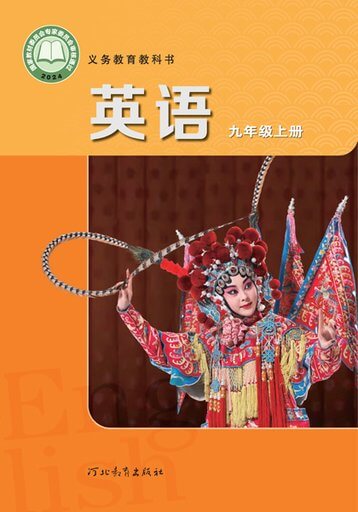

首页 / 九年级上册 /冀教版 /Unit 3 Arts enrich our life

冀教版九年级上册英语 Unit 3 Arts enrich our life 课文听力音频与中英双语对照

版本: 冀教版
年级: 九年级上册
出版社: 河北教育出版社
切换教材
教习网提供冀教版九年级上册英语《Unit 3 Arts enrich our life》课文听力音频MP3、第3单元句子跟读与中英双语对照(含 本单元核心对话与阅读语篇),支持在线连续播放。

冀教版九年级上册英语 Unit 3 Arts enrich our life 课文句子跟读音频

Lesson 1 A talk about art 本单元单词跟读 >
连续播放
下载音频

1 Lesson 1 A talk about art

  • Unit 3 Arts enrich our life

    第 3 单元 艺术丰富我们的生活

  • Towards the end of this unit study, you will be able to:

    在本单元学习结束时,你将能够:

  • • talk about different forms of art;

    • 谈论不同的艺术形式;

  • • introduce the artists and describe the artworks;

    • 介绍艺术家并描述艺术作品;

  • • talk about artworks using passive voice.

    • 用被动语态谈论艺术作品。

  • The purpose of art is to improve life.

    艺术的目的是改善生活。

  • — Feng Youlan

    —— 冯友兰

  • 1 A talk about art

    1 一场关于艺术的谈话

  • 1 Read the questions and give your answers.

    1 阅读问题并给出你的答案。

  • A What forms of art do you know?

    A 你知道哪些艺术形式?

  • B What do you know about Beijing opera?

    B 关于京剧你了解些什么?

  • 2 Listen to the conversation and write true (T) or false (F).

    2 听对话,判断正误,正确的写(T),错误的写(F)。

  • It's Saturday evening.

    现在是周六晚上。

  • Li Ming and his friends are talking online.

    李明和他的朋友们正在网上聊天。

  • Guess what?

    你猜怎么着?

  • We will have an art festival soon.

    我们很快就要举办艺术节了。

  • We are going to do a play for it.

    我们打算为艺术节排一部戏剧。

  • Really? That will be fun.

    真的吗?那会很有趣的。

  • Everyone in our group is working hard.

    我们组里的每个人都在努力准备。

  • We have also learned about some famous plays and playwrights.

    我们还了解了一些著名的戏剧和剧作家。

  • Do you know Hamlet and Romeo and Juliet?

    你知道《哈姆雷特》和《罗密欧与朱丽叶》吗?

  • Yes, those plays were writtenby Shakespeare, a great playwright.

    知道,这些戏剧是伟大的剧作家莎士比亚写的。

  • His plays have been translated into many languages around the world.

    他的戏剧已经被翻译成世界上的许多种语言。

  • Good plays can make us laugh or cry, and they can enrich our life.

    好的戏剧能让我们笑或者哭,还能丰富我们的生活。

  • There are also many famous plays in China.

    中国也有很多著名的戏剧。

  • I know Cao Yu's Thunderstormand Lao She's Teahouse.

    我知道曹禺的《雷雨》和老舍的《茶馆》。

  • They have been on stage for many years, and still are alive today.

    它们已经上演很多年了,至今仍有生命力。

  • Maybe we could go to a tea house and watch Teahouse in Beijing one day!

    也许有一天我们可以去北京的茶馆看《茶馆》!

  • We could enjoy plays, Beijing operas or talk shows there.

    我们在那里可以欣赏戏剧、京剧或者脱口秀。

  • They are really worth watching.

    它们非常值得一看。

  • I am also doing an art project about traditional Chinese artwork for the festival.

    我还在为艺术节做一个关于中国传统艺术品的美术项目。

  • There are so many different forms of art, such as paintings, literature, music, and calligraphy.

    艺术有很多不同的形式,比如绘画、文学、音乐和书法。

  • Great! Which form are you interested in, Brian?

    太棒了!布莱恩,你对哪种形式感兴趣?

  • I like Chinese calligraphy.

    我喜欢中国书法。

  • By the way, I watched a Chinese dance drama on a recent TV show.

    对了,我最近在一个电视节目上看了一部中国舞剧。

  • This dance was like a poem.

    这支舞就像一首诗。

  • It was called The Journey of a Legendary Landscape Painting.

    它叫做《只此青绿》。

  • I love that dance.

    我很喜欢那支舞。

  • It was amazing.

    它太棒了。

  • Maybe I can try that dance at the festival.

    也许我可以在艺术节上试试跳这支舞。

  • Good luck and have a whale of a time during the art festival!

    祝你好运,在艺术节玩得开心!

  • A Li Ming and his friends are working on a play together.

    A 李明和他的朋友们正在一起排一部戏剧。

  • B Cao Yu and Lao She are famous playwrights.

    B 曹禺和老舍是著名的剧作家。

  • C Jenny did an art project about traditional Chinese artwork.

    C 珍妮做了一个关于中国传统艺术品的美术项目。

  • 3. Listen to the conversation again and answer the questions.

    3. 再听一遍对话,回答问题。

  • A What will Jenny do for the art festival?

    A 珍妮会为艺术节做什么?

  • B. What can people watch in a teahouse in Beijing?

    B 在北京的茶馆里人们可以看什么?

  • 4 Work in groups.

    4 小组活动。

  • Interview your group members about their favourite art forms.

    采访你组里的成员,了解他们最喜欢的艺术形式。

  • What forms of art do you like?

    你喜欢什么艺术形式?

  • I like poems.

    我喜欢诗歌。

  • Why do you like them?

    你为什么喜欢它们?

  • Every word in a poem has power and meaning.

    诗歌里的每个词都有力量和意义。

  • When I read a poem, it's like hearing music and seeing a painting all at once.

    我读诗的时候,就好像同时听到了音乐,看到了画作。

  • What about you?

    你呢?

  • I'm interested in music.

    我对音乐感兴趣。

  • I feel relaxed when I listen to music.

    我听音乐的时候感觉很放松。

  • Name

    姓名

  • Favourite art form

    最喜欢的艺术形式

  • The reason he/she likes it

    他/她喜欢它的原因

2 Lesson 2 The art of calligraphy

  • 2 The art of calligraphy

    2 书法艺术

  • 1 What tools are needed for calligraphy?

    1 书法需要用到哪些工具?

  • Match the objects to the words.

    将物品和对应的单词匹配起来。

  • brush

    毛笔

  • ink stick

    墨条

  • paper

    纸

  • ink slab

    砚台

  • 2 Read the passage and answer the questions.

    2 阅读短文,回答问题。

  • When I was a kid, I watched my grandpa write Chinese characters.

    我小时候,看着爷爷写汉字。

  • I learned about the "Four Treasures of Study — paper, brush, ink stick and ink slab".

    我了解到了“文房四宝——纸、毛笔、墨条和砚台”。

  • He always began by laying a piece of paper on the desk and using the ink stick to grind ink in the ink slab.

    他一开始总是先把一张纸铺在桌上,再用墨条在砚台里磨墨。

  • He directed me to take a brush and immerse it with enough ink.

    他指导我拿好毛笔,蘸上足够的墨。

  • Then he grabbed my hands to teach me how to do it properly.

    然后他握着我的手,教我怎么正确书写。

  • "Why do you like calligraphy?"

    “你为什么喜欢书法呀?”

  • I once asked my grandpa.

    我曾经问过爷爷。

  • "I like the beauty of calligraphy. It lies in its balance, harmony, and rhythm.

    “我喜欢书法的美,这种美藏在它的平衡、和谐和韵律里。

  • Chinese characters are considered to be a source of great beauty.

    汉字被认为是极致之美的来源之一。

  • Each character has a distinct shape and form,

    每个字都有独特的形状和结构,

  • which calligraphers can use to create amazing works of art," said my grandpa.

    书法家们可以借此创作出令人惊叹的艺术作品。”爷爷说。

  • "The art of calligraphy mixes writing the characters beautifully with emotions and feelings into each stroke.

    “书法这门艺术,既要把字写得好看,还要把情感和感受融入每一笔当中。

  • When we write Chinese characters,

    我们写汉字的时候,

  • we need to carefully control the pressure, speed, and angle of the brush," my grandpa added.

    需要仔细控制毛笔的力度、速度和角度。”爷爷补充道。

  • Now I am really into Chinese calligraphy.

    现在我非常喜欢中国书法。

  • I have read many stories about famous calligraphers, like Wang Xizhi, Huai Su and Yan Zhenqing.

    我读过很多著名书法家的故事,比如王羲之、怀素和颜真卿。

  • I am learning to appreciate their beautiful, impressive, and artistic works.

    我正学着欣赏他们优美、动人又充满艺术性的作品。

  • As a traditional art, calligraphy has the same position as painting in the history of Chinese art.

    作为一门传统艺术,书法在中国艺术史上和绘画有着同等的地位。

  • My grandpa always says, "Every Chinese person should learn calligraphy.

    我爷爷总说:“每个中国人都应该学习书法。

  • Through it, we can better understand our traditional culture."

    通过书法,我们可以更好地了解我们的传统文化。”

  • A What are the steps to write a character?

    A 写一个汉字有哪些步骤?

  • B Why does the grandpa like calligraphy?

    B 爷爷为什么喜欢书法?

  • 3 Choose the tags that best describe the author's attitude towards Chinese calligraphy

    3 选择最能描述作者对中国书法态度的标签

  • and give reasons for your choices.

    并说明你选择的理由。

  • positive

    积极的,正面的

  • interested

    感兴趣的

  • unimpressed

    没印象的,不感兴趣的

  • bored

    感到无聊的

  • disinterested

    不感兴趣的,冷漠的

  • enthusiastic

    热情的

  • loving

    热爱的

  • negative

    消极的,负面的

  • 4 Complete the conversation with the correct forms of the phrases.

    4 用短语的正确形式完成对话。

  • mix... with lie in be into

    把⋯⋯和⋯⋯混合 在于 对⋯⋯着迷

  • What are you doing, Jack?

    杰克,你在做什么?

  • It is a timeless expression of beauty.

    它是一种永恒的美的表达。

  • That's why many people love it.

    这就是很多人喜爱它的原因。

  • I find the Chinese characters in Wang Xizhi's copybook so beautiful.

    我觉得王羲之字帖里的汉字太美了。

  • That sounds interesting.

    听起来很有趣。

  • Please tell me more.

    请告诉我更多。

  • That's cool!

    太酷了!

  • I'm going to create my style.

    我要创造我自己的风格。

  • You certainly can, and begin by writing the first Chinese character of Jack's style.

    你当然可以,就从写出第一个“杰克风格”的汉字开始吧。

  • 5 Work in pairs.

    5 结对练习。

  • Talk about a calligrapher you know.

    谈论一位你知道的书法家。

  • Share his/her stories and works with your partner.

    和你的搭档分享他/她的故事和作品。

3 Lesson 3 Moving pictures

  • 3 Moving pictures

    第 3 单元 移动的影像

  • 1. Look at the pictures and answer the questions.

    1 看图片,回答问题。

  • A What are the types of these movies?

    A 这些电影分别是什么类型的?

  • B What other types of movies do you know?

    B 你还知道其他什么类型的电影?

  • 2 Read the conversation and tick the types of movies mentioned.

    2 阅读对话,勾出提到的电影类型。

  • Li Ming, Wang Mei, and Li Lin have just finished doing some research on the background and development of movies.

    李明、王梅和李林刚完成了一项关于电影背景与发展的研究。

  • It's hard to believe movies are just over 100 years old.

    很难相信电影才诞生了 100 多年。

  • Yes. But like the internet or other similar inventions,

    是啊。但就像互联网或者其他类似的发明一样,

  • movies have had such a big effect on us.

    电影对我们的影响非常大。

  • I love watching movies.

    我喜欢看电影。

  • A movie is really an amazing piece of art.

    电影真的是一种很棒的艺术作品。

  • I just found out the very first movies were made in France and Germany.

    我刚发现最早的一批电影是在法国和德国制作的。

  • That's true.

    没错。

  • When movies were first created, they were not in colour.

    电影刚被发明出来的时候,不是彩色的。

  • They were just moving pictures, and the audience couldn't hear any music or dialogue.

    它们只是会动的画面,观众听不到任何音乐或者对话。

  • I know that in those first movies, only a couple of people would act in front of the camera.

    我知道在那些最早的电影中,只有几个人会在镜头前表演。

  • Movie making is so complex these days.

    如今电影制作非常复杂。

  • Besides actors, actresses, or directors, thousands of people can be involved in making a movie.

    除了男女演员和导演之外,一部电影的制作可能会涉及成千上万的人。

  • And some movies even take years and a big budget to make.

    有些电影甚至要花好几年时间、投入巨额预算才能制作完成。

  • What types of movies do you like?

    你喜欢什么类型的电影?

  • I like cartoons.

    我喜欢动画片。

  • I love Nezha.

    我很喜欢《哪吒》。

  • I also like comedies, especially those with Charlie Chaplin.

    我也喜欢喜剧片,尤其是查理·卓别林的那些喜剧。

  • Comedies are filled with humour.

    喜剧里充满了幽默感。

  • I prefer science fiction.

    我更喜欢科幻片。

  • I learn a lot of interesting things from science fiction movies.

    我从科幻电影里学到了很多有意思的东西。

  • I love The Wandering Earth.

    我很喜欢《流浪地球》。

  • It is based on a story by Liu Cixin.

    它是根据刘慈欣的小说改编的。

  • What about you, Li Ming?

    你呢,李明?

  • I like war movies.

    我喜欢战争片。

  • There were many great films those years,

    那些年有很多优秀的电影,

  • such as Wolf Warriors and The Battle at Lake Changjin.

    比如《战狼》和《长津湖》。

  • Chinese films make great contributions to Chinese culture.

    中国电影为中华文化做出了巨大贡献。

  • There is a good movie on.

    有一部好电影正在上映。

  • Why not go and see it this weekend?

    这周末为什么不去看看呢?

  • Good idea!

    好主意!

  • action science fiction comedy war horror documentary musical cartoon

    动作片 科幻片 喜剧片 战争片 恐怖片 纪录片 音乐剧 动画片

  • 3 Read the conversation again and answer the questions.

    3 再读一遍对话,回答问题。

  • A How long ago were movies invented?

    A 电影是多久前发明的?

  • B What were the first movies like?

    B 最早的电影是什么样的?

  • 4 Read the sentences.

    4 读这些句子。

  • Pay attention to the parts in yellow and complete the passage.

    注意黄色部分的内容,补全短文。

  • Comedies are filled with humour.

    喜剧片充满幽默感。

  • When movies were first created, they were not in colour.

    电影刚被创作出来的时候,并不是彩色的。

  • We use the passive voice when the focus is on the result of the action and who does it is not important.

    当我们关注动作的结果,且动作的实施者不重要时,我们使用被动语态。

  • 5 What types of movies do you like?

    5 你喜欢什么类型的电影?

  • Introduce one of your favourite movies to your partner.

    向你的搭档介绍你最喜欢的一部电影。

  • Useful expressions

    常用表达

  • • It was directed by...

    • 它由⋯⋯导演

  • • It was on...

    • 它在⋯⋯上映

  • • It is a...

    • 它是一部⋯⋯

4 Lesson 4 Huang Gongwang — a famous painter

  • 4 Huang Gongwang — a famous painter

    4 黄公望——一位著名画家

  • 1 Look at the painting and answer the questions.

    1 看这幅画并回答问题。

  • A What's the name of the painting?

    A 这幅画的名字是什么?

  • B What can you see in this painting?

    B 你在这幅画里能看到什么?

  • 2 Read the passage and answer the questions.

    2 读短文并回答问题。

  • In traditional Chinese art, painting is not only about painting itself,

    在中国传统艺术中,绘画不只是关于绘画本身,

  • but also a way for the artist to express their emotions and thoughts.

    还是艺术家表达自己情感和想法的一种方式。

  • Huang Gongwang's works are no exception,

    黄公望的作品也不例外,

  • as they beautifully show his emotions and thoughts.

    它们优美地展现了他的情感和想法。

  • Huang Gongwang was born in 1269 in Changshu, Jiangsu Province.

    黄公望于 1269 年出生在江苏省常熟市。

  • His parents passed away when he was young, and he moved to Lin'an.

    他年幼时父母就去世了,之后他搬到了临安。

  • There, he began to learn to paint and write.

    在那里,他开始学习绘画和书法。

  • Huang Gongwang was a talented artist.

    黄公望是一位有天赋的艺术家。

  • He created many beautiful works during his lifetime and became especially famous for his landscape paintings.

    他一生创作了许多优美的作品,尤其以他的山水画闻名。

  • He was one of the Four (Painting) Masters of the Yuan Dynasty,

    他是“元四家”(元代四大画家)之一,

  • along with Wu Zhen, Ni Zan, and Wang Meng.

    和吴镇、倪瓒、王蒙并称。

  • Among his works, Dwelling in the Fuchun Mountains is the most well-known.

    在他的作品中,《富春山居图》是最知名的。

  • It is considered a masterpiece of Chinese landscape painting.

    它被认为是中国山水画的杰作。

  • You can see the Fuchun River which is surrounded by trees and mountains in the distance.

    你可以看到富春江的四周环绕着树木,远处是群山。

  • You can see mountains of different shapes and sizes.

    你可以看到不同形状、不同大小的山峦。

  • If you look closely at the painting, you'll find tiny houses and people working in the fields.

    如果你仔细看这幅画,会发现小小的房屋,还有在田里劳作的人们。

  • Huang Gongwang used a special skill called

    黄公望使用了一种特别的技法,叫做

  • "looking closely at nature" to see all the details.

    “仔细观察自然”,来发现所有的细节。

  • The painting is so beautiful that it makes people feel peaceful.

    这幅画非常优美,能让人感到平静安宁。

  • Huang Gongwang's contributions to Chinese art and culture are significant.

    黄公望对中国艺术和文化的贡献十分重大。

  • His paintings also help promote the natural beauty of China to the world.

    他的画作也有助于向世界展现中国的自然之美。

  • A Who were the Four Masters of the Yuan Dynasty?

    A 元四家是哪四位?

  • B What skill did Huang use in Dwelling in the Fuchun Mountains?

    B 黄公望在《富春山居图》中使用了什么技法?

  • C What contributions did Huang make to Chinese art and culture?

    C 黄公望对中国艺术和文化做出了哪些贡献?

  • 3. Complete the paragraph about Huang Gongwang.

    3. 完成关于黄公望的段落。

  • 4. Which artist do you like best?

    4. 你最喜欢哪位艺术家?

  • Search the internet and write a passage about him/her.

    上网搜索相关信息,写一篇关于他/她的短文。

  • The following questions may help you:

    以下问题可以帮助你:

  • A Who is this famous artist?

    A 这位著名的艺术家是谁?

  • B What is his/her most famous work?

    B 他/她最有名的作品是什么?

  • C What is this work about?

    C 这幅作品是关于什么的?

  • D What influence does he/she have on society?

    D 他/她对社会有什么影响?

5 Lesson 5 The Fisherman and the Goldfish

  • 5 The Fisherman and the Goldfish

    5 渔夫和金鱼

  • 1 Read the play and write true (T) or false (F).

    1 阅读剧本,判断正误,正确的写(T),错误的写(F)。

  • Director: Brian Script: Steven, Jenny and Kim

    导演:布赖恩 剧本:史蒂文、珍妮和金

  • Characters: Fisherman — Danny, Fisherman's Wife — Jenny, Goldfish — Kim

    角色:渔夫——丹尼,渔夫的妻子——珍妮,金鱼——金

  • Sound & Set: Brian, Kate and Danny Costumes: Kate and Steven

    音效&设计:布赖恩、凯特和丹尼服装:凯特和史蒂文

  • Scene 1: On the sea

    第 1 幕:海上

  • A fisherman wearing a hat is fishing on the sea.

    一个戴着帽子的渔夫正在海上捕鱼。

  • Waves can be heard in the background.

    背景中可以听到海浪声。

  • I am a fisherman.

    我是一个渔夫。

  • My wife and I live a poor life.

    我和我的妻子过着穷苦的生活。

  • He pulls out his net and opens it up.

    他把渔网拉出来,打开渔网。

  • A goldfish jumps out of the net.

    一条金鱼从网里跳了出来。

  • Oh, a goldfish!

    哦,一条金鱼!

  • Dear Mr Fisherman, please let me go.

    亲爱的渔夫先生,请放我走吧。

  • I'm the prince of the sea.

    我是大海的王子。

  • I will give you whatever you want.

    你想要什么我都会给你。

  • Oh my God!

    哦,天哪!

  • A talking fish!

    一条会说话的鱼!

  • Please go back to your family.

    请回到你的家人身边吧。

  • I don't want anything.

    我什么都不想要。

  • The goldfish swims back into the sea.

    金鱼游回了海里。

  • Scene 2: At home

    第 2 幕:在家

  • The fisherman's wife, who is old with grey hair, is sitting at the table.

    渔夫的妻子头发灰白、年纪大了,正坐在桌子旁。

  • The fisherman walks in.

    渔夫走了进来。

  • Hey, honey, you won't believe what happened today!

    嘿,亲爱的,你不会相信今天发生了什么!

  • I caught a talking goldfish.

    我抓到了一条会说话的金鱼。

  • Really? What did it say?

    真的吗?它说了什么?

  • It asked me to let it go.

    它请求我放它走。

  • It said it could give me whatever I wished for.

    它说我想要什么它都能给我。

  • What was your wish?

    你当时的愿望是什么?

  • I asked for nothing and let it go.

    我什么都没要,就把它放走了。

  • How did I marry such a fool?

    我怎么嫁了这么个傻子?

  • Why didn't you ask for a new house?

    你为什么不要求一栋新房子呢?

  • Ours is so old.

    我们的房子太旧了。

  • Don't be angry.

    别生气。

  • I will find it again and ask for a house.

    我再去找它,要一栋房子。

  • Scene 3: Back on the sea

    第 3 幕:回到海上

  • The fisherman is near the coast, looking out towards the sea.

    渔夫在海岸边,望向大海。

  • Goldfish, are you there?

    金鱼,你在吗?

  • The goldfish jumps out.

    金鱼跳了出来。

  • Yes, Mr Fisherman.

    好的,渔夫先生。

  • What can I do for you?

    我能为您做什么呢?

  • Could I have a new house?

    我能要一座新房子吗?

  • My wife really wants one.

    我的妻子非常想要一座。

  • No problem.

    没问题。

  • You will have a new house very soon.

    你们很快就会有一座新房子的。

  • A The fisherman caught a talking fish.

    A 渔夫抓到了一条会说话的鱼。

  • B The fisherman didn't tell his wife about catching a goldfish.

    B 渔夫没有告诉他的妻子自己抓到了一条金鱼的事。

  • C The wife wanted the fisherman to ask for a new house.

    C 妻子想要渔夫去要一座新房子。

  • 2. Read the play again.

    2. 再读一遍这个剧本。

  • Match the statements with the scenes and put them in the right order.

    将陈述和对应的场景匹配,再把它们按正确的顺序排列。

  • A At home

    A 在家里

  • B On the sea

    B 在海边

  • C Back on the sea

    C 再到海边

  • A fisherman wearing a hat is fishing.

    一个戴着帽子的渔夫正在钓鱼。

  • A goldfish jumps out of the net and asks the fisherman to let it go.

    一条金鱼从网里跳出来,请求渔夫放它走。

  • Then the goldfish swims back into the sea.

    然后金鱼游回了海里。

  • The fisherman's wife, who is old with gray hair, is sitting at the table.

    渔夫的妻子年纪大了,头发花白,正坐在桌子旁。

  • The fisherman tells her what happened.

    渔夫告诉了她发生的事。

  • The fisherman is near the coast, looking out towards the sea.

    渔夫在海岸边,眺望着大海。

  • He calls the goldfish.

    他呼唤金鱼。

  • It jumps out.

    它跳了出来。

  • 3. What will happen next in the story of the play?

    3. 这个剧本的故事接下来会发生什么?

  • Discuss in groups.

    小组讨论。

  • Finish the story and write a script for the next scene.

    完成这个故事,为下一个场景写一段剧本。

  • Scene 4:

    第 4 幕:

  • The wife is looking around the new house.

    妻子正在新房子里四处打量。

  • The fisherman enters.

    渔夫走了进来。

  • 4. Rehearse your play and act it out in the class.

    4. 排练你们的剧本,在班上表演出来。

6 Understanding cultures: Artists around the world

  • Understanding Culture

    理解文化

  • Artists around the world

    世界各地的艺术家

  • 1 Read the passage and match the names with the statements.

    1 阅读短文,将名字和表述匹配起来。

  • There are many famous artists in the world.

    世界上有很多著名的艺术家。

  • Some are known in their own country.

    一些在自己的国家很知名。

  • Some are famous around the world.

    一些在全世界都很有名。

  • Often wellknown artists are remembered not just for the quality and unique style of their art works,

    通常知名艺术家被人铭记,不仅是因为他们艺术作品的质量和独特风格,

  • but also for their influence on culture.

    还因为他们对文化的影响。

  • When you think of famous artists, maybe the names Michelangelo, Picasso, or Van Gogh come to mind.

    当你想到著名艺术家时,可能会想到米开朗基罗、毕加索或者梵高这些名字。

  • Michelangelo was an Italian painter and sculptor who lived from 1475 to 1564.

    米开朗基罗是意大利画家和雕塑家,生于 1475 年,逝于 1564 年。

  • Pablo Picasso was a modern painter born in 19th century Spain.

    巴勃罗·毕加索是现代画家,19 世纪出生于西班牙。

  • And the Dutch painter Vincent Van Gogh of the 1800s is famous for his oil paintings.

    而19世纪的荷兰画家文森特·梵高以他的油画闻名。

  • Throughout history, there have been many talented artists.

    纵观历史,有很多才华横溢的艺术家。

  • Qi Baishi is one of China's most celebrated painters.

    齐白石是中国最负盛名的画家之一。

  • What did he paint?

    他画什么呢?

  • All kinds of subjects, but mostly the smaller details of nature, like birds, insects, and fish.

    各种各样的题材,但大多是大自然的小细节,比如鸟、昆虫和鱼。

  • He won the International Peace Award in 1956 at the age of 92.

    1956 年,92 岁的他获得了国际和平奖。

  • These are just a few of the most famous artists in the world.

    这些只是世界上最著名的艺术家中的几位。

  • But there are thousands more.

    但还有成千上万的其他艺术家。

  • Keep your eyes and mind open.

    保持你的眼界开阔,思维开放。

  • You will be surprised at how much you can learn from artists around the world.

    你会惊讶于自己能从世界各地的艺术家身上学到这么多东西。

  • Art is for everyone.

    艺术属于所有人。

  • It doesn't matter if you paint, draw, sculpt, or write.

    不管你是绘画、画画、雕塑还是写作,都没关系。

  • Art represents us and our culture: past, present, and future.

    艺术代表着我们和我们的文化:过去、现在和未来。

  • So, the next time you pick up a pencil or paintbrush,

    所以,下次你拿起铅笔或者画笔的时候,

  • imagine how your art work could make a difference!

    想象一下你的艺术作品能带来怎样的影响吧!

  • Picasso

    毕加索

  • Qi Baishi

    齐白石

  • Michelangelo

    米开朗基罗

  • Vincent Van Gogh

    文森特·梵高

  • He was a modern painter, born in 19th century Spain.

    他是一位现代画家,19 世纪出生于西班牙。

  • He was a Dutch painter famous for his oil paintings.

    他是一位荷兰画家,以他的油画闻名。

  • He won the International Peace Award in 1956.

    他在 1956 年获得了国际和平奖。

  • He was an Italian painter and sculptor.

    他是一位意大利画家和雕塑家。

  • 2. Read the passage again and answer the questions.

    2. 再读短文,回答问题。

  • A. What makes a well-known artist remembered?

    A. 什么会让一位知名艺术家被人们铭记?

  • B. What did Qi Baishi usually paint?

    B. 齐白石通常画什么?

  • C. What does art represent?

    C. 艺术代表什么?

  • 3 Match the names with the famous ancient Chinese paintings.

    3 将名字与中国古代著名画作匹配。

  • Then choose one of them and discuss the beauty of the painting with your classmates.

    然后选择其中一幅,和你的同学讨论这幅画的美。

  • A Five Oxen

    A 《五牛图》

  • B A Thousand Li of Rivers and Mountains

    B 《千里江山图》

  • C One Hundred Horses

    C 《百骏图》

  • D Along the River During the Qingming Festival

    D 《清明上河图》

  • E Spring Morning in the Han Palace

    E 《汉宫春晓图》

7 More readings: Imagination

  • More readings

    更多阅读

  • Imagination

    想象力

  • Imagination is the ability of the mind to build mental scenes, objects,

    想象力是大脑构建的能力脑海中不存在、

  • or events that do not exist and did not happen in the past.

    过去也没有发生过的场景、事物或者事件的能力。

  • Imagination makes it possible to experience a whole world inside the mind.

    想象力让我们能够在脑海中体验一整个完整的世界。

  • It gives the ability to look at any situation from a different point of view,

    它让我们能够从不同的角度看待任何情况,

  • and enables one to mentally explore the past and the future.

    还能让人在思维中探索过去和未来。

  • Everyone possesses some imagination.

    每个人都有一定的想象力。

  • In some it may be highly developed and in others it may occur in a weaker form.

    有些人的想象力高度发达,而另一些人的想象力表现得更弱一些。

  • Imagination occurs in various forms, one of which is daydreaming.

    想象力有多种不同的表现形式,其中一种是做白日梦。

  • Though too much idle daydreaming may be impractical,

    虽然过多无意义的白日梦可能不切实际,

  • some daydreaming provides you with temporary happiness, calmness, and relief from stress.

    但适当的白日梦能给你带来短暂的快乐、平静,还能缓解压力。

  • In your imagination, you can travel anywhere at the speed of light.

    在你的想象中,你能以光速前往任何地方。

  • It can make you feel free, though temporarily, and only in the mind.

    它能让你感受到自由,尽管是暂时的,而且只存在于脑海中。

  • But still, for a bit, you are free from tasks, difficulties, and unpleasant situations.

    但哪怕只是一小会儿,你也能摆脱任务、困难和不愉快的处境。

  • A strong, developed imagination does not make you a daydreamer or impractical.

    强大、发达的想象力不会让你变成空想家或者不切实际的人。

  • On the contrary, it strengthens your creative abilities and is a great tool for remodeling your world.

    恰恰相反,它会增强你的创造力,是重塑你所处世界的绝佳工具。

  • This is a great power that can change your life.

    这是一种能够改变你生活的强大力量。

  • When you are creative enough, you can make your heart's desires come true.

    当你有足够的创造力时,你就能实现心中的愿望。

  • temporary: lasting or being used only for a short time

    短暂的:只持续或者只使用很短的时间

  • Learning Tips

    学习小贴士

  • Conscious means noticing something.

    有意识的指的是注意到某件事。

  • It is an adjective.

    它是一个形容词。

  • Can you guess the meaning of consciously or unconsciously?

    你能猜出 consciously(有意识地)或者 unconsciously(无意识地)的意思吗?

  • Imagination has a role and a value in everyone's life.

    想象力在每个人的生活中都有作用和价值。

  • We all use it, whether consciously or unconsciously, in most of our daily affairs.

    我们在处理大部分日常事务时都会用到它,不管是有意识地还是无意识地。

  • We use our imagination whenever we plan a party, a trip, or a meeting.

    我们每次计划派对、旅行或者会议的时候都会用到想象力。

  • We use it when we describe an event, explain how to arrive somewhere, write, tell a story, or bake a cake.

    我们描述一件事、说明怎么去某个地方、写作、讲故事或者烤蛋糕的时候都会用到它。

  • Imagination is a creative power that is needed in order to do something for inventing an instrument,

    想象力是一种创造力,不管是发明工具、

  • designing a dress or a building, painting a picture, or writing a book.

    设计服装或建筑、画画还是写书,都需要用到它。

  • The creative power has an important role in achieving success in any field.

    这种创造力对在任何领域取得成功都有着重要作用。

  • Understand how to use your imagination correctly,

    学会如何正确运用你的想象力,

  • and put this knowledge into practice for your own and others' benefit.

    并且把这些知识用到实践中,为自己和他人谋福利。

  • This will put you on the golden path to success, satisfaction, and happiness.

    这会让你走上通往成功、满足和幸福的黄金道路。

  • instrument: a tool or device used for a specific task

    工具:用于完成特定任务的器具或装置

  • Self-check

    自我检测

  • • I can talk about different forms of art:

    • 我能谈论不同的艺术形式:

  • • play

    • 戏剧

  • • painting

    • 绘画

  • • Beijing opera

    • 京剧

  • • talk show

    • 脱口秀

  • • literature

    • 文学

  • • music

    • 音乐

  • • dance

    • 舞蹈

  • • poem

    • 诗歌

  • • calligraphy

    • 书法

  • • drama

    • 戏剧

  • • movie

    • 电影

  • • sculpture

    • 雕塑

  • • I can introduce the artists and describe the artworks:

    • 我能介绍艺术家并描述艺术作品:

  • • He created many beautiful works during his lifetime.

    • 他一生中创作了许多优美的作品。

  • • If you look closely at the painting, you'll find tiny houses and people working in the fields.

    • 如果你仔细看这幅画,你会发现小小的房子和在田里劳作的人们。

  • • Good plays can make us laugh or cry, and they can enrich our life.

    • 好的戏剧能让我们欢笑或哭泣,还能丰富我们的生活。

  • • Comedies are filled with humour.

    • 喜剧充满了幽默感。

  • • I can use the passive voice in the simple past tense to talk about artworks:

    • 我能用一般过去时的被动语态来谈论艺术作品:

  • • I just found out the very first movies were made in France and Germany.

    • 我刚发现最早的电影是在法国和德国制作的。

  • • When movies were first created, they were not in colour.

    • 电影刚被创作出来的时候,并不是彩色的。

  • • Improvement needed:

    • 需要改进的地方:

  • Time Fun

    趣味时光

  • She went down

    它沉没了

  • Titanic was a great big ship

    泰坦尼克号是一艘巨大的船

  • That sailed off England's coast.

    驶离了英国海岸。

  • Who was to know its destiny?

    谁会知道它的命运?

  • That calm spring day, that calm spring day.

    那个平静的春日,那个平静的春日。

  • They built the ship Titanic

    人们建造了泰坦尼克号这艘船

  • To sail the ocean blue.

    航行在蔚蓝的大海上。

  • It was the biggest ever,

    它是有史以来最大的船,

  • The strongest too, the strongest too.

    也是最坚固的,也是最坚固的。

  • She went down, she went down,

    它沉没了,它沉没了,

  • That great ship went down.

    那艘巨轮沉没了。

  • And no one knew her destiny,

    没有人知道它的命运,

  • That calm spring day, that calm spring day.

    那个平静的春日,那个平静的春日。

  • Many people took a trip,

    许多人踏上了旅程,

  • Titanic, that great ship,

    泰坦尼克号,那艘巨轮,

  • Not so many finished it,

    没多少人走完这段旅程,

  • That calm spring day, that calm spring day.

    那个平静的春日,那个平静的春日。

冀教版九年级上册英语Lesson 1 A talk about art单词跟读音频

单词跟读

playwright

translate

enrich

alive

worth

artwork

calligraphy

drama

legendary

ink

extend

army

shade

glad

tirelessly

deaf

pancake

prize

voyage

introduction

blind

weapon

decimal

pioneer

intelligence

writer

gifted

pirate

theory

mathematician

知识点笔记

冀教版九年级上册英语 Unit 3 Arts enrich our life 课文听力课文语法考点、听力问答与重点短语笔记

01 单元语篇结构

本课为冀教版九年级上册英语《Unit 3 Arts enrich our life》,包含 本单元核心对话与阅读语篇 等同步课文板块。

02 核心句型与表达

围绕《Unit 3 Arts enrich our life》主题展开情景对话与阅读训练,配套原版高清发音与逐句中文翻译。

03 跟读训练建议

点击任意英文句子即可单句点读复读,建议对照双语字幕跟读模仿语音语调。

冀教版九年级上册Unit 3 Arts enrich our life英语最新练习题